Death Valley Is Blooming—And This Spring Might Be the Best in a Decade
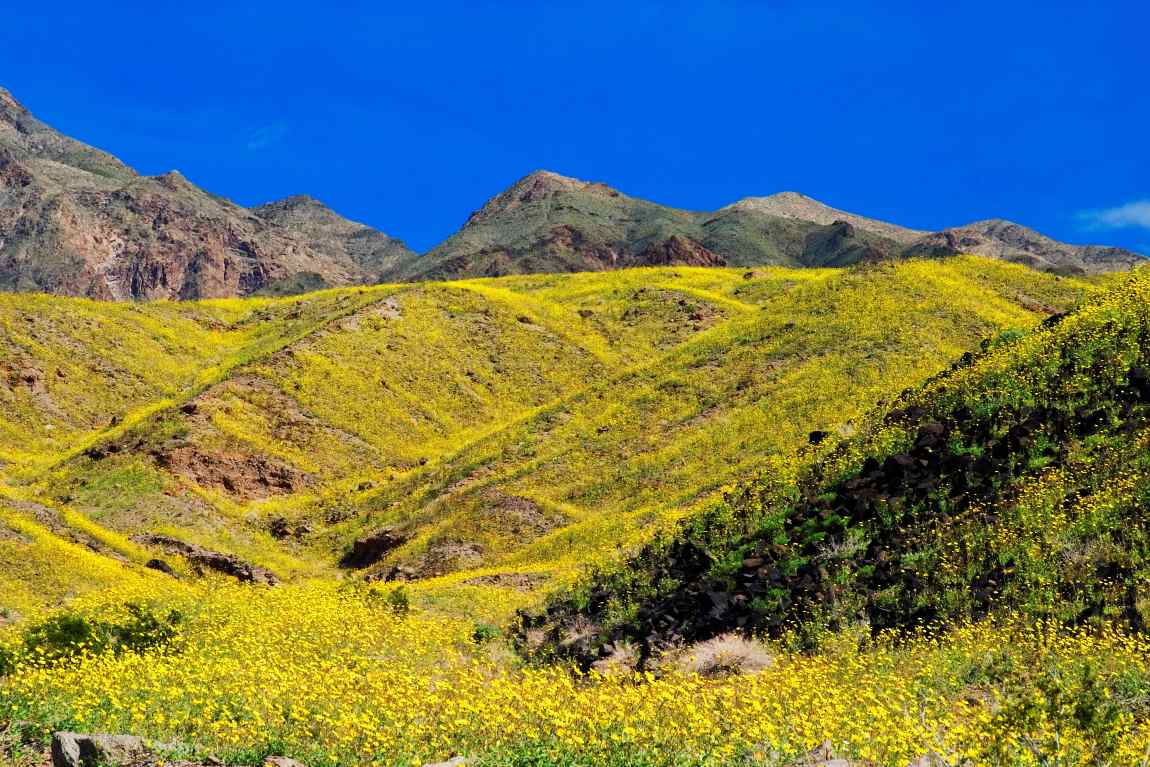
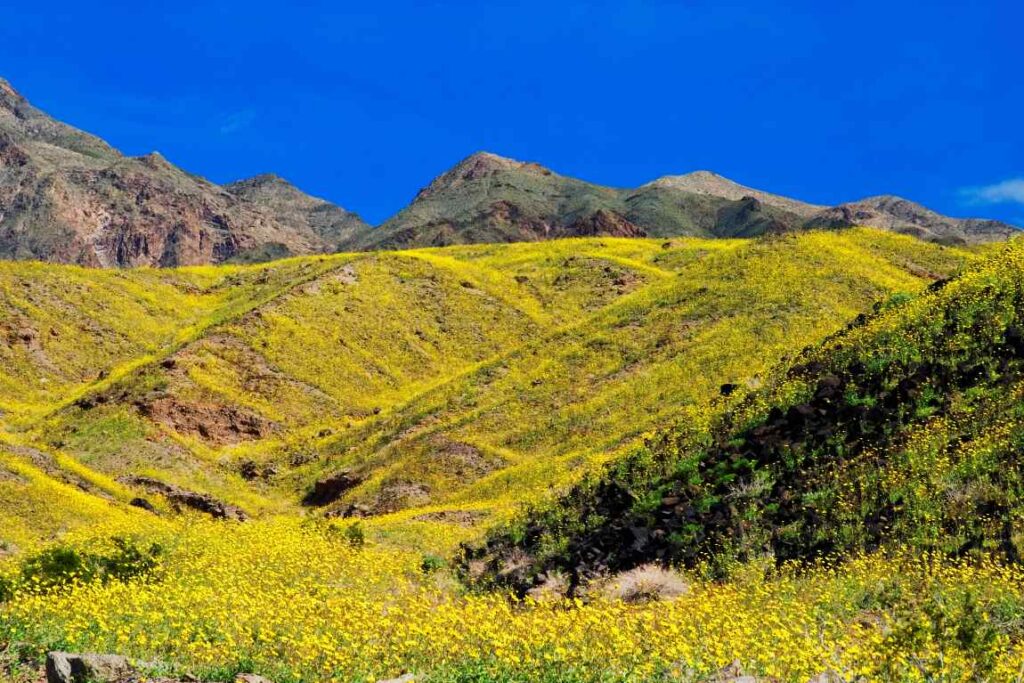
Think you know Death Valley National Park? Think again. This spring, the stark desert famous for extremes is rewriting its own story. What is usually a landscape of silence and severity is now briefly alive with color, thanks to a rare combination of rain, timing, and desert resilience.
Why Spring 2026 Is So Special
Death Valley normally sees just about 2 inches (5 cm) of rain in an entire year. This time, between November 2025 and January 2026, it received more than a year’s worth—around 2.5 inches (6 cm). That extra rainfall has triggered one of the most impressive super blooms of the decade.
Right now, in late March, low-elevation flowers are already blooming across the valley floor, bringing unexpected color to the desert’s lowest reaches. As the season moves forward, the bloom shifts upward. Higher elevations will begin flowering from April through June, creating a rolling wave of wildflowers that changes week by week.
THIS POST MAY CONTAIN COMPENSATED LINKS. PLEASE READ MY DISCLAIMER FOR MORE INFO.
The Must-See Spots—Now With a Blooming Twist
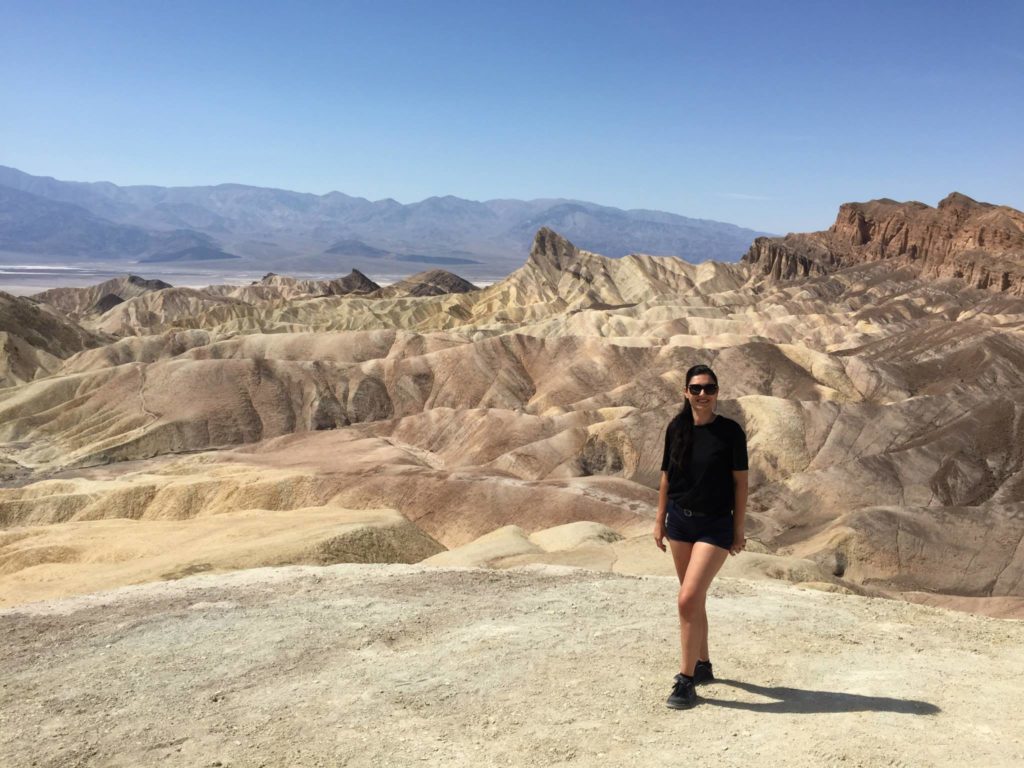
Zabriskie Point feels less like a distant planet in spring and more like a living landscape. Its golden, sculpted ridges still catch the light in dramatic ways, but now they are softened by patches of wildflowers that add warmth and contrast to the scene.
Badwater Basin remains one of the most surreal places in the park, with its vast salt flats stretching below sea level. In spring, however, the edges of this stark white expanse are touched by delicate blooms, creating a quiet but striking contrast between harshness and life.
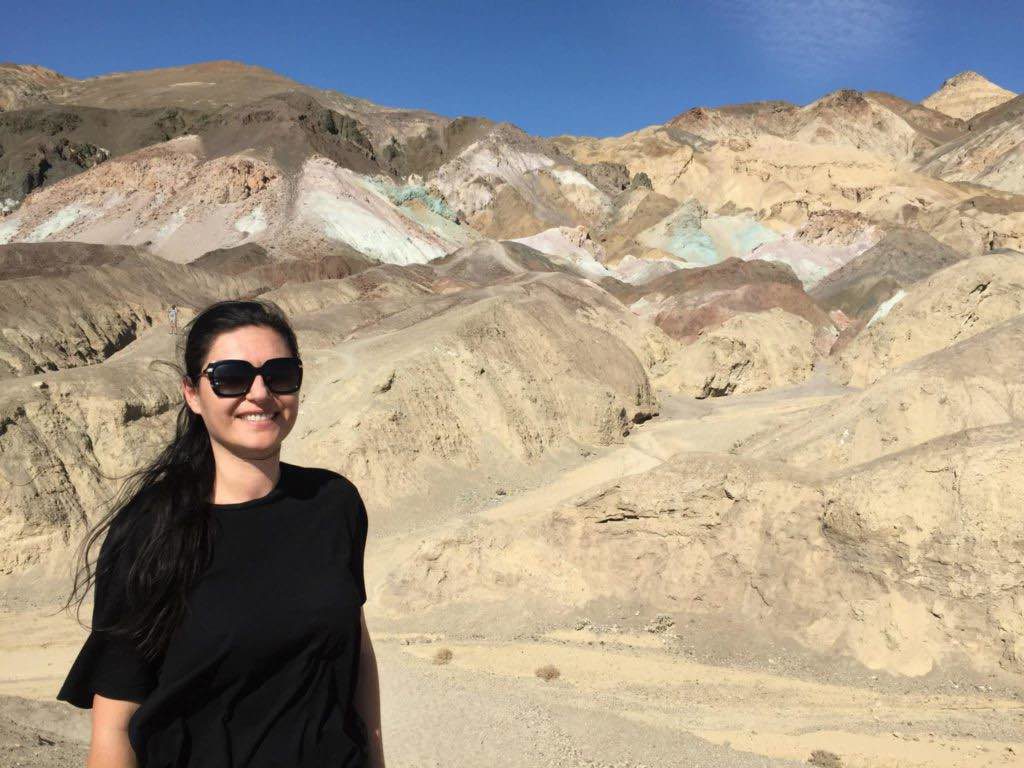
Artist’s Drive becomes even more extraordinary this time of year. The hills, already painted in natural shades of green, pink, and ochre, feel almost surreal when paired with seasonal wildflowers. The effect is less like a desert and more like a natural canvas in motion.
At Mesquite Flat Sand Dunes, the sweeping curves and shifting shadows remain the main attraction, but the surrounding flats begin to show subtle signs of life. Small blooms add texture to the scene, reminding you that even here, the desert is never truly empty.
One Day, Peak Season: How to Do It Right
Spring changes the rhythm of a one-day visit. The cooler temperatures and longer comfortable hours make it easier to experience more without rushing. Starting early at Zabriskie Point offers soft light and fewer crowds. From there, the drive toward Badwater Basin becomes a sequence of short, rewarding stops, with Artist’s Drive adding a highlight along the way.
By late afternoon, the dunes near Stovepipe Wells provide the perfect closing scene, especially as the light softens and the desert begins to cool. In spring, the journey feels less like a race against heat and more like a continuous unfolding of landscapes.
Where to Stay for a Weekend Trip
Turning a quick visit into a weekend escape makes it easier to catch different phases of the bloom and experience the park at sunrise and sunset. Staying inside or just outside the park also cuts down on long drives and lets you move with the light.
The Ranch At Death Valley offers a relaxed, resort-style base in the heart of the park, making it easy to reach key viewpoints early in the morning. For a more elevated stay, The Inn at Death Valley brings a quieter, more refined atmosphere with sweeping desert views that feel especially dramatic during spring bloom.
If you prefer something more budget-friendly just outside the park, Death Valley Inn & RV Park provides convenient access while still keeping you close enough to experience the valley at its best hours.
When to Go (Spoiler: It’s Now)
Late March is already delivering peak blooms at lower elevations, making this moment one of the most visually rewarding times to visit. As April and May arrive, higher elevations take over, extending the season into early summer for those willing to explore beyond the valley floor.
Final Take
Death Valley has always been defined by extremes, but this spring reveals its softer side. A place once associated with silence and survival becomes, for a brief window, a landscape of color and quiet abundance.
Moments like this don’t come often. And in Death Valley, they never last long.
Suggested Reads
If you’re planning to turn this rare spring moment into a bigger adventure, these guides go deeper into routes, logistics, and must-see stops across Death Valley National Park and beyond.
For a broader itinerary, “11 Best National Parks Road Trips (Map + Planner)” maps out some of the most scenic drives in the U.S., helping you connect multiple parks into one seamless journey.
If you want to zoom out even further, “37 Best National Parks in the West” is a deep dive into the region’s most iconic landscapes—from Utah’s red rock parks like Arches and Bryce Canyon to alpine destinations like Mount Rainier—highlighting just how diverse the American West can be.
If you’re focusing on Death Valley itself, “Death Valley Must-See Attractions: Top Places to See in Death Valley in One Day” breaks down the essential stops, showing how to experience the park efficiently—even if you only have a day.
And if you’re starting your trip from Nevada, “How to Visit Death Valley From Las Vegas” offers a practical route into the park, including drive times, entry points, and how to structure the perfect desert day trip.
Together, these reads turn a single visit into a well-planned experience—especially during a spring that’s anything but ordinary.