Umbria Travel Guide: The Italian Region Everyone Misses
Think Tuscany is the dream? This Umbria travel guide might change your travel plans.
If you’ve been dreaming of Italy but want something more soulful, more intimate, and far less crowded than the usual hotspots, this Umbria Travel Guide is exactly where your journey begins. Tucked right in the center of Italy, Umbria is often called the green heart of the country, and once you arrive, it’s easy to see why. Rolling hills, medieval hill towns, vineyards, forests, and stone villages seem to stretch endlessly across the landscape.
What makes Umbria truly special is its atmosphere. It’s deeply spiritual, fiercely traditional, and wonderfully untouched by mass tourism. While Tuscany gets the spotlight, Umbria quietly offers the same beauty with more authenticity and breathing room. Umbria is perfect for culture lovers, pilgrims, food enthusiasts, and anyone who believes travel should be slow, meaningful, and full of hidden discoveries. And I will show it to you in this Umbria Travel Guide.
I explored this region thoroughly on my own Umbria road trip, wandering from mountaintop towns to peaceful valleys, and I can honestly say it’s one of Italy’s most rewarding regions to explore.
THIS POST MAY CONTAIN COMPENSATED LINKS. PLEASE READ MY DISCLAIMER FOR MORE INFO.
Discover Cars.Discover Cars – no hidden costs, free cancellation
Top Umbria Tours:
Assisi: Private Walking Tour with St. Francis Basilica
Orvieto: “-Hour Cathedral and Underground Tour
Perugia: Entry Ticket and Guided Tour of Perugia Underground
Rent a car and visit Umbria independently
Discover Cars – no hidden costs, free cancellation
Rent a car at the Perugia Airport
Rent a car at the Rome Fiumicino Airport
Book Your Stay in Umbria:
Find the best rates for your stay in Umbria HERE
Map & Regions of Umbria
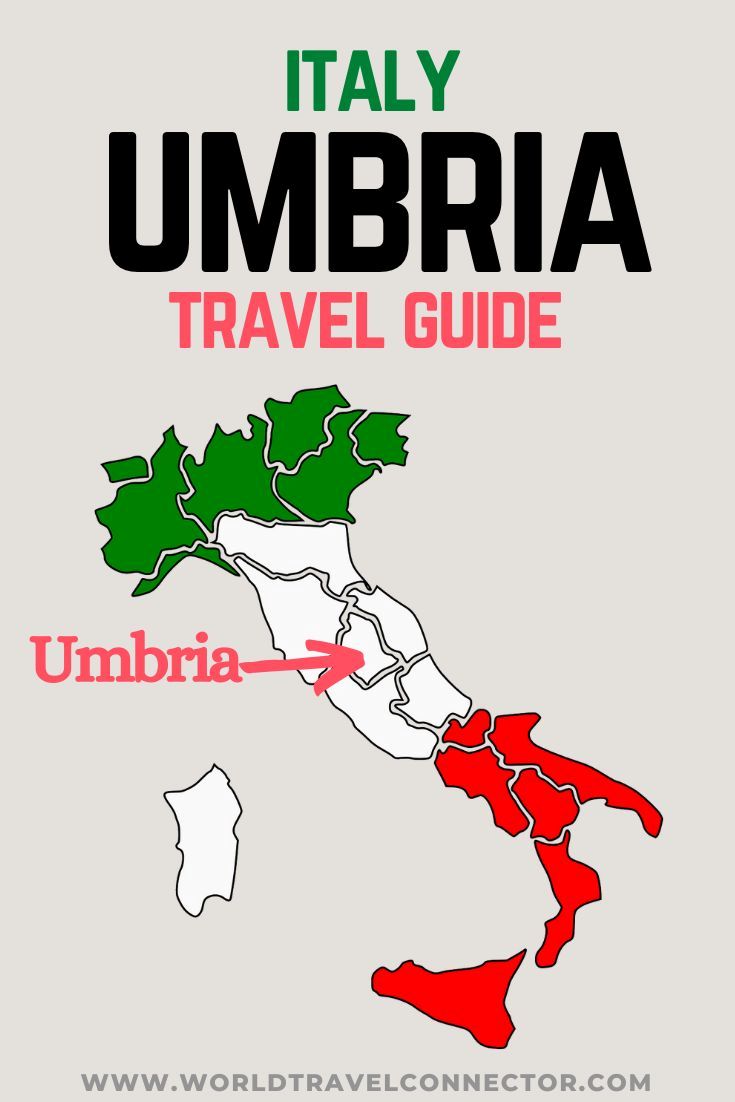
Understanding the layout of the region makes planning easier, and any great Umbria Travel Guide should break it down into simple, travel-friendly areas. So, here is an Umbria map with the main places to visit.
Northern Umbria
Northern Umbria revolves around Perugia and Lake Trasimeno. This area blends Renaissance art, university-town energy, and gentle lakeside scenery that feels almost timeless.
Central Umbria
Central Umbria is the spiritual core of the region, home to Assisi and Spello. Here, olive groves blanket the hills, and stone streets lead to churches filled with centuries of devotion and art.
Southern Umbria
Southern Umbria feels wilder and more mountainous, stretching toward Spoleto, Norcia, and Cascia. This is where dramatic landscapes meet deep religious heritage and some of the best food traditions in the region.
Best Places to Visit in Umbria
No Umbria travel Guide would be complete without exploring the towns that make the region unforgettable.
1. Assisi – City of St. Francis
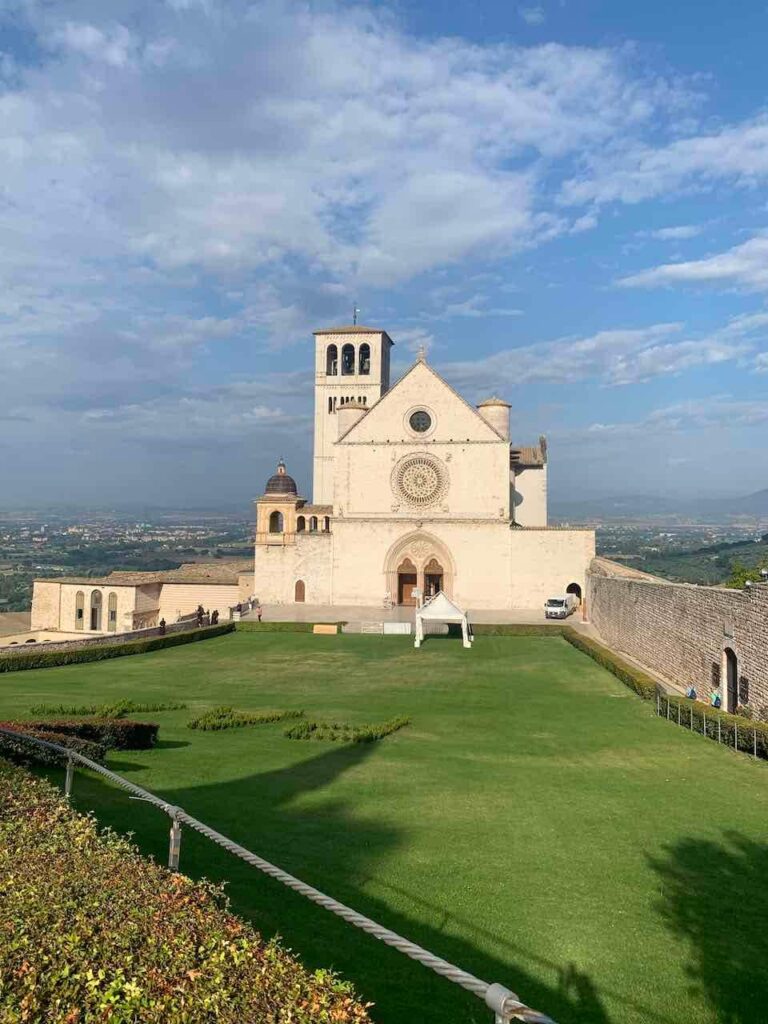
Assisi rises in pale stone along the slopes of Mount Subasio, glowing pink at sunset. It’s known worldwide as the home of St. Francis, and its peaceful atmosphere, frescoed churches, and sweeping valley views make it one of Italy’s most moving towns. Read more about Top Sites to See in Assisi, Italy.
2. Orvieto – The Cliffside Cathedral City
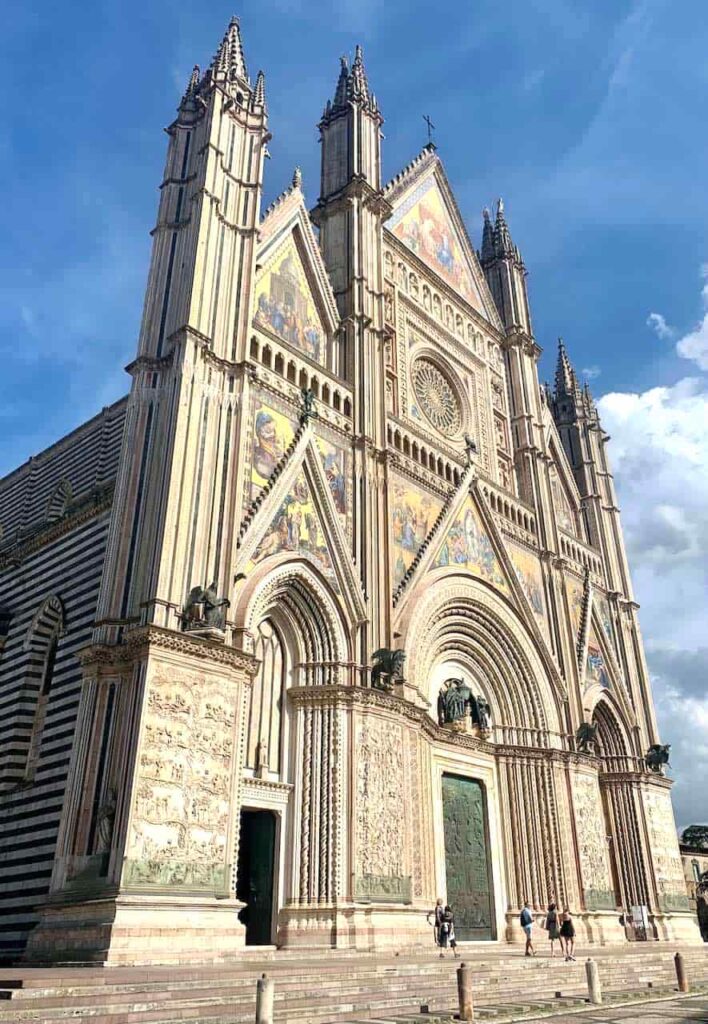
Dramatically perched on a volcanic rock plateau, Orvieto is one of Italy’s most striking hill towns. Its black-and-white striped cathedral façade is unforgettable, and beneath the city lies a labyrinth of ancient caves and Etruscan tunnels.
3. Cascia – Home of St. Rita
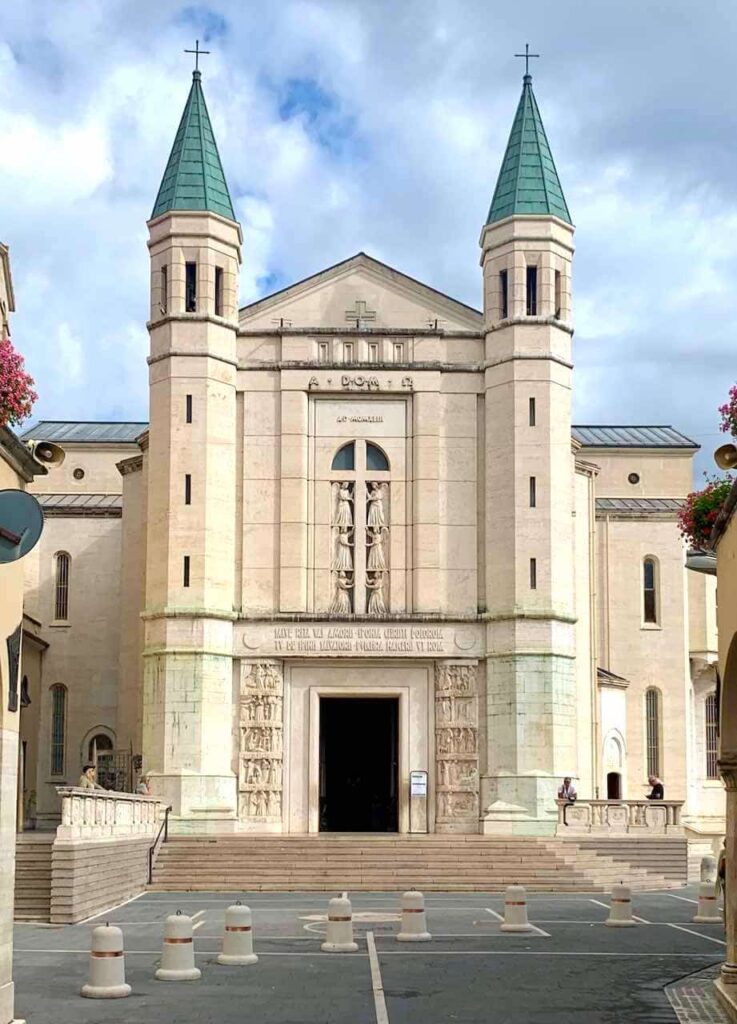
Small, quiet, and surrounded by mountains, Cascia is a deeply spiritual destination devoted to St. Rita, the saint of impossible causes. Pilgrims come for the basilica, but travelers stay for the serene landscapes and sense of calm. Read more about St Rita and Cascia, Italy.
4. Gubbio – Gothic Architecture & The Legend of St. Francis and the Wolf
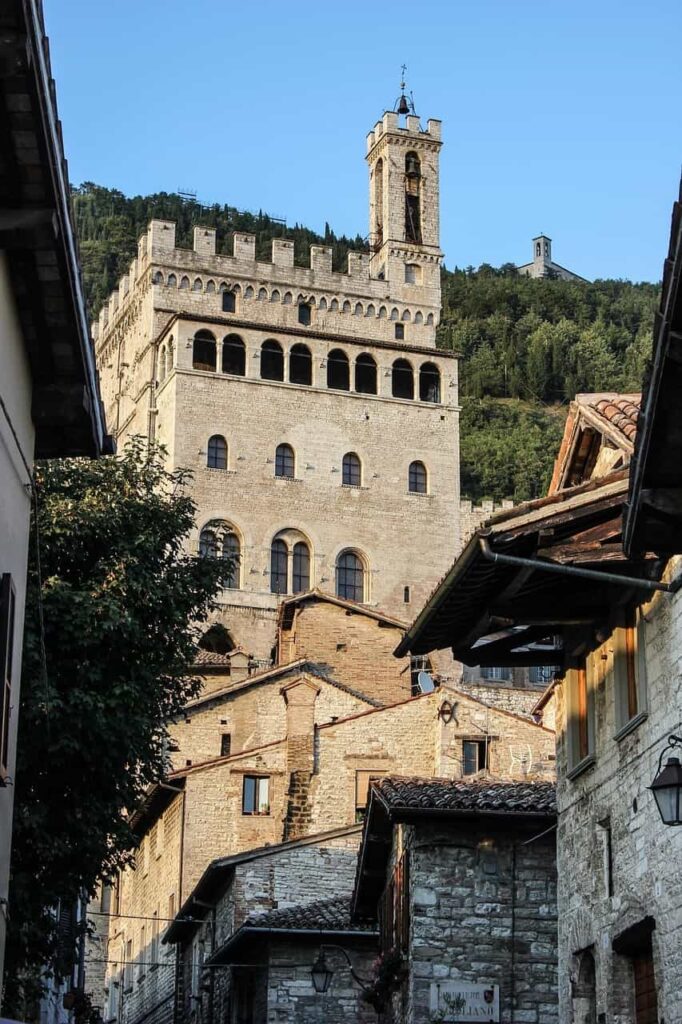
Gubbio feels like stepping straight into the Middle Ages, with steep stone streets, Gothic palaces, and dramatic views over the valley. Its ancient traditions and quiet authenticity make it one of Umbria’s most atmospheric towns. In addition, Gubbio is the place where St Franicis of Assisi met the wolf. Read more about Gubbio in my Gubbio Travel Guide.
5. Spoleto – Art & History
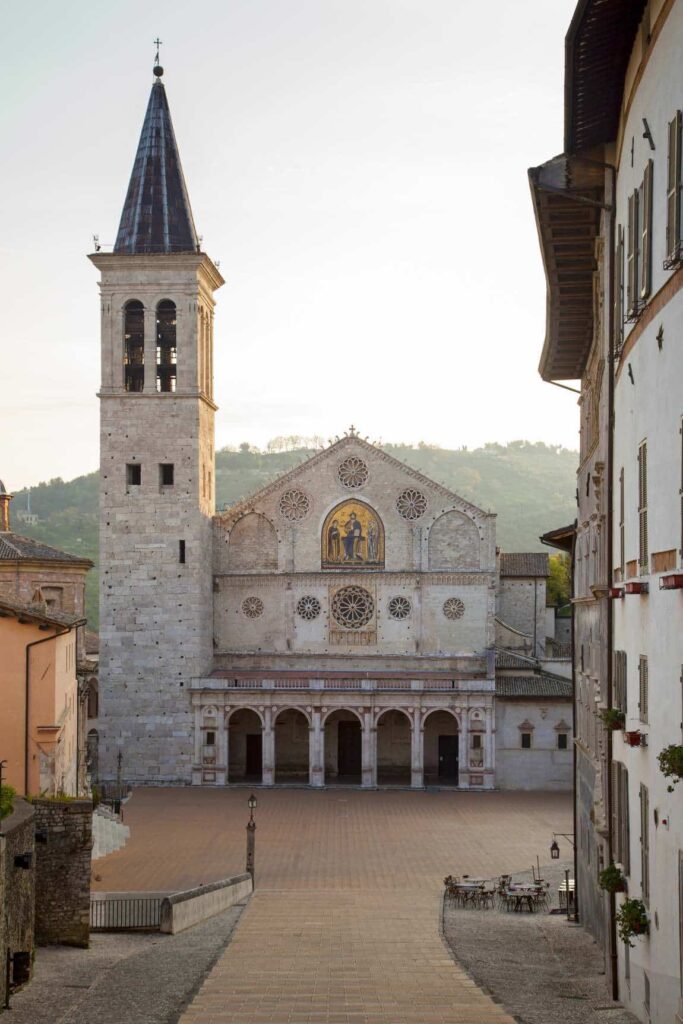
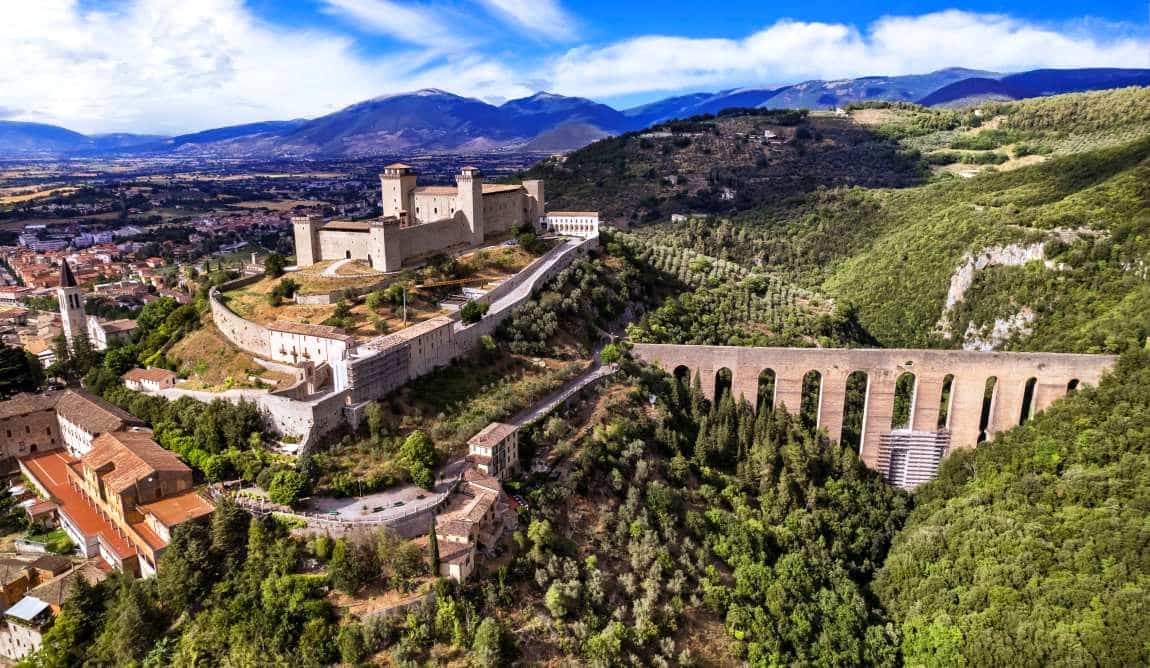
Spoleto blends Roman ruins, medieval fortresses, and a vibrant arts scene. Its hilltop castle and cathedral overlook a sweeping valley, and in summer, the town comes alive with its famous Festival dei Due Mondi.
6. Norcia – Land of St. Benedict
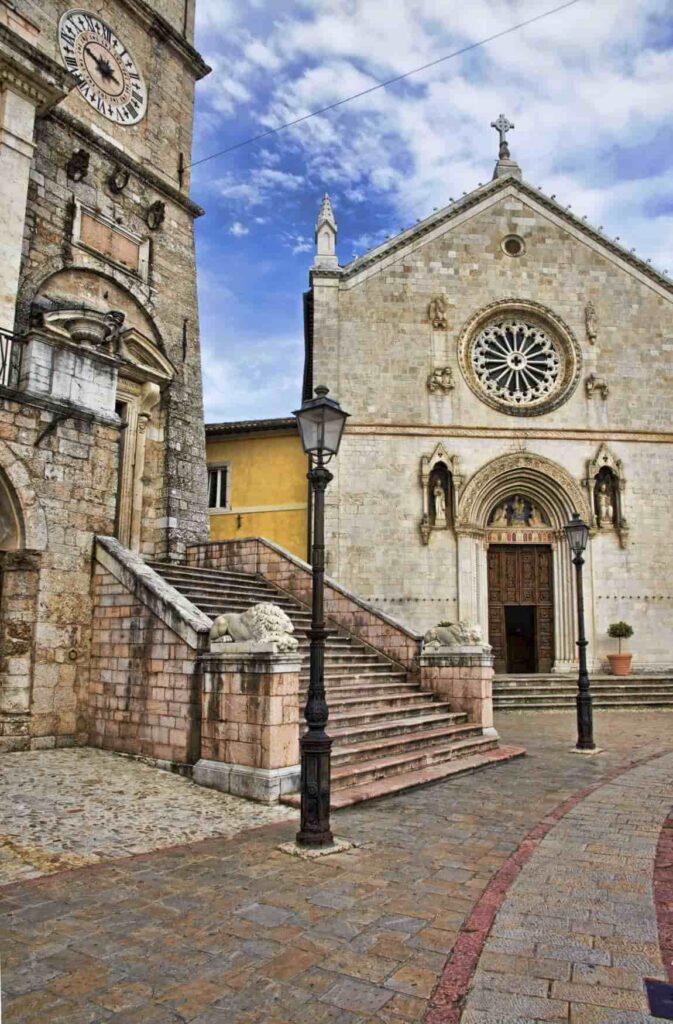
Surrounded by the Sibillini Mountains, Norcia is both a spiritual and culinary destination. It’s the birthplace of St. Benedict and renowned across Italy for its truffles, cured meats, and mountain cuisine.
7. Perugia – Capital of Umbria
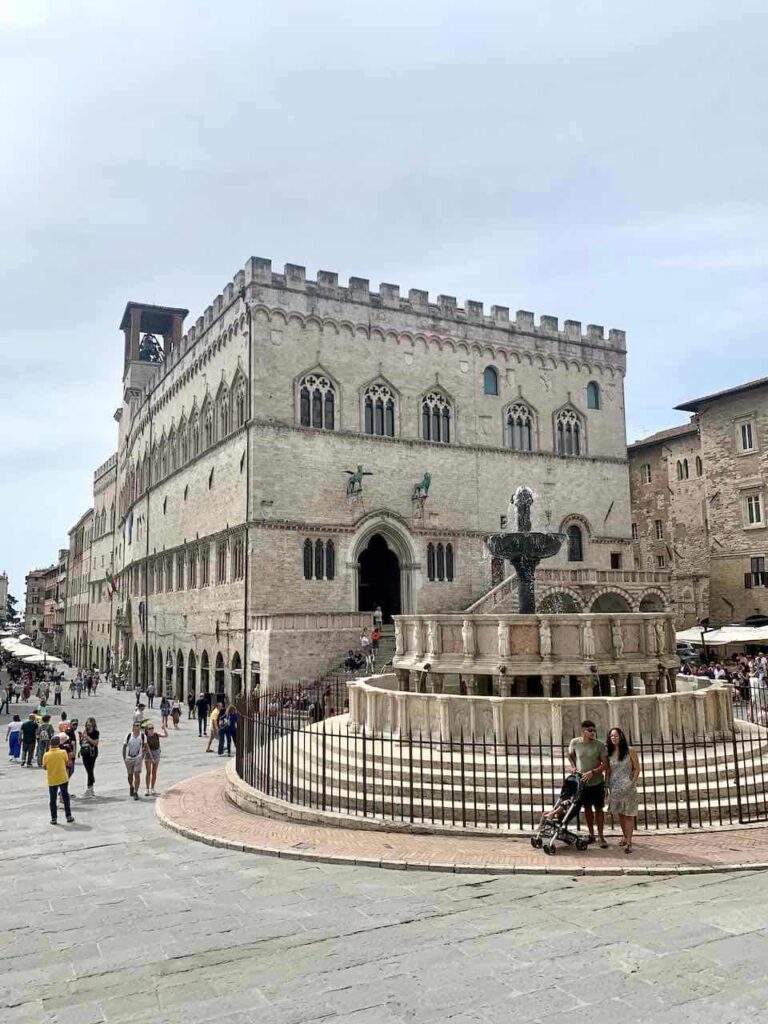
Perugia is elegant and lively, with Etruscan walls, Renaissance art, and panoramic terraces. As Umbria’s capital, it offers museums, festivals, and a youthful energy thanks to its international university.
Read my complete guide to the Best Towns to Visit in Umbria, Italy.
Religious & Pilgrimage Sites in Umbria
Faith and history are woven into everyday life here, and any meaningful Umbria travel Guide must include the region’s most important sacred places.
The Basilica of St. Francis in Assisi is one of the most important Christian pilgrimage sites in the world, filled with breathtaking frescoes by Giotto. In Cascia, the Basilica of St. Rita draws visitors seeking hope and healing. Norcia honors St. Benedict, father of Western monasticism, while Spoleto Cathedral surprises visitors with Renaissance art and a dramatic hilltop setting. Orvieto Cathedral is another spiritual highlight, famous for its stunning Gothic façade and its connection to the Eucharistic Miracle of Bolsena, which made the town an important pilgrimage destination in medieval times.
Food & Wine in Umbria
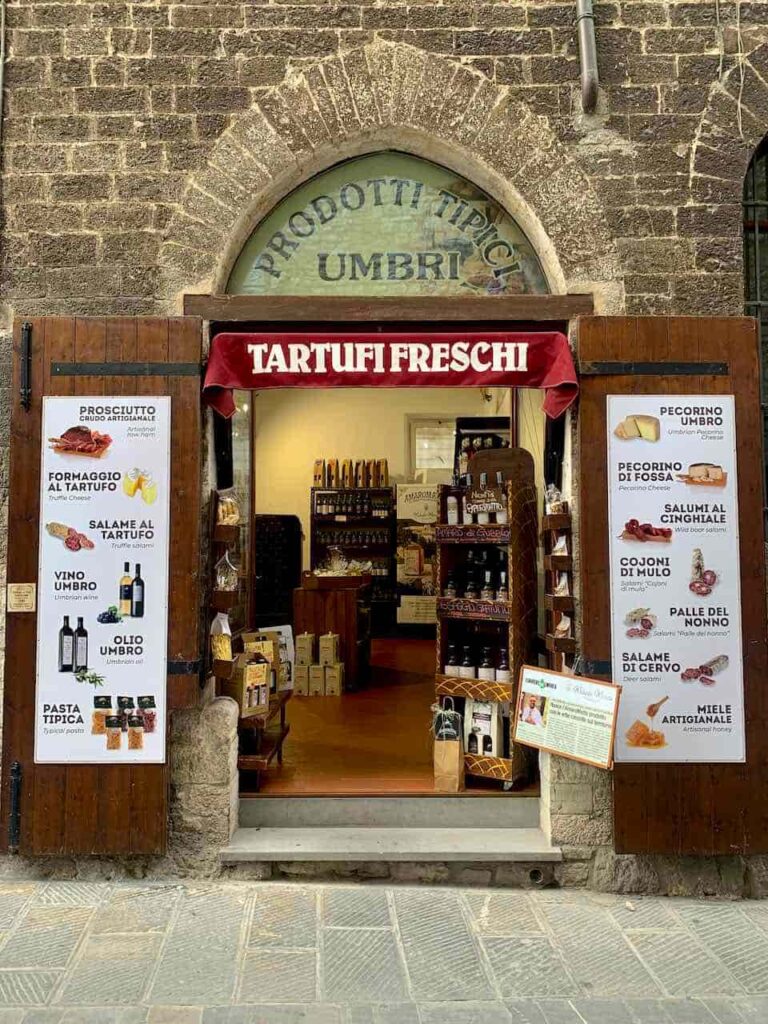
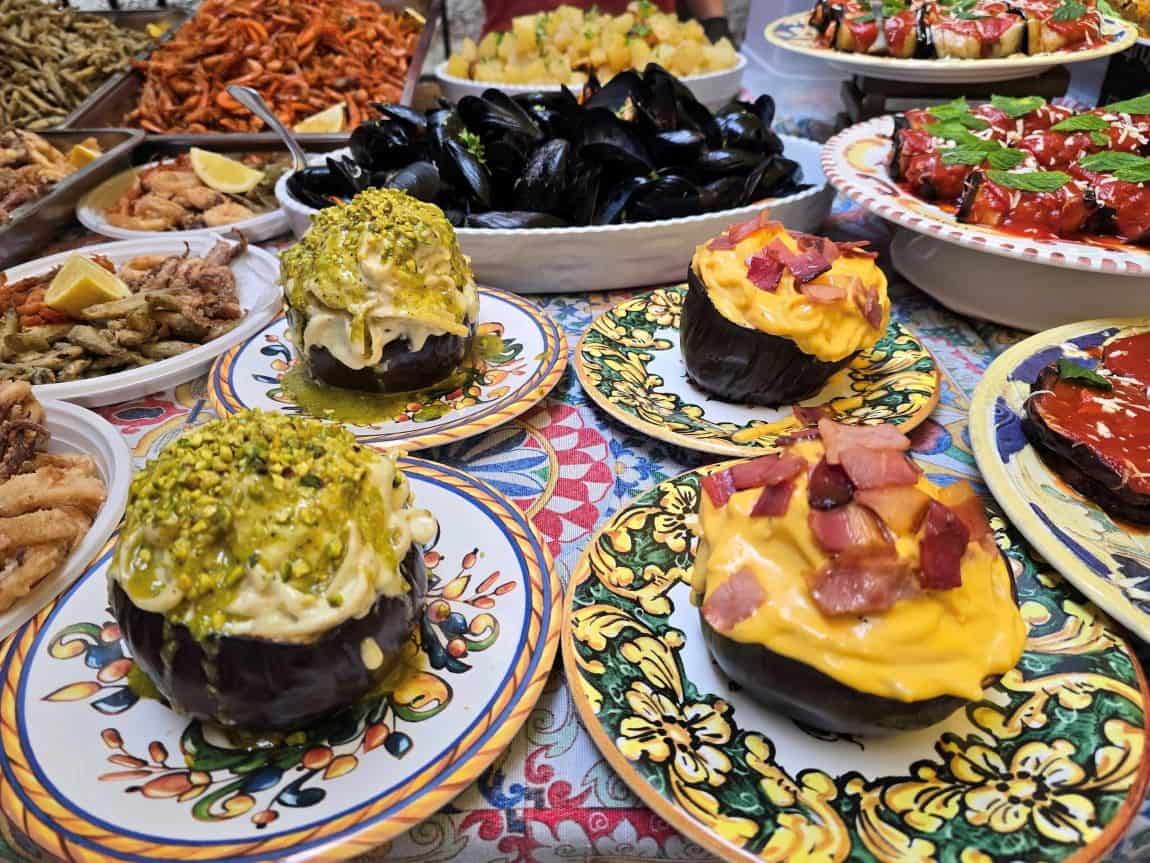
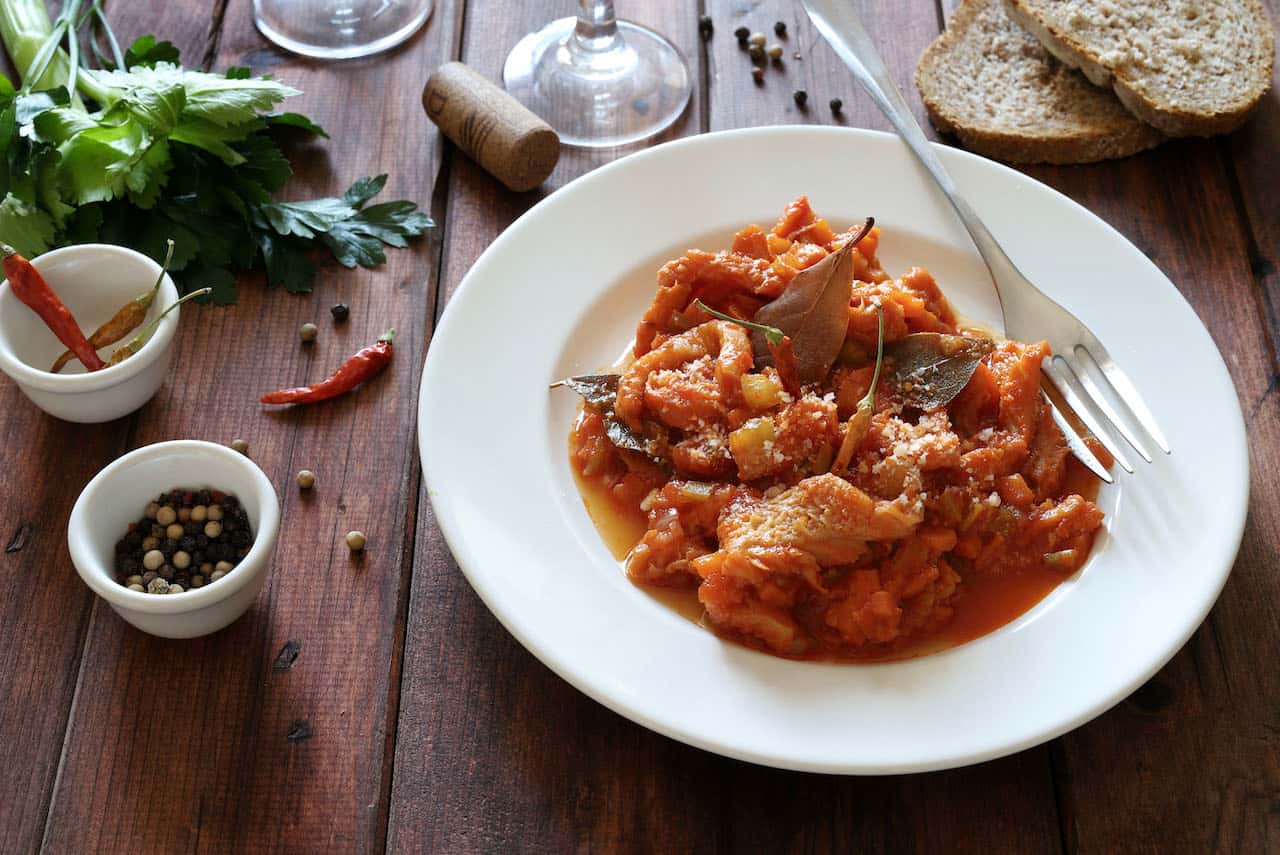
Umbria’s cuisine is rustic, seasonal, and deeply tied to the land. Norcia is famous for its black truffles and traditional pork butchery, while extra virgin olive oil from the region is among Italy’s finest. Meat is highly appreciated in Umbrian cuisine, especially wild boar meat. Pork is also used in Umbrian cuisine a lot. Prosciutto (the most popular prosciutto di Norcia), porchetta, coralline salami, coglioni di mulo cured meat, and slow-roasted pig stuffed with herbs and offal are common foods in Umbria that everyone needs to try while visiting Umbria. Wine lovers should seek out Sagrantino di Montefalco, a bold red wine that perfectly reflects Umbria’s strong and earthy character. Umbria is a top place for truffle hunting in Italy. If you are interested in truffle hunting, read my Guide to When & Where to Go Truffle Hunting in Italy
Nature & Outdoor Experiences
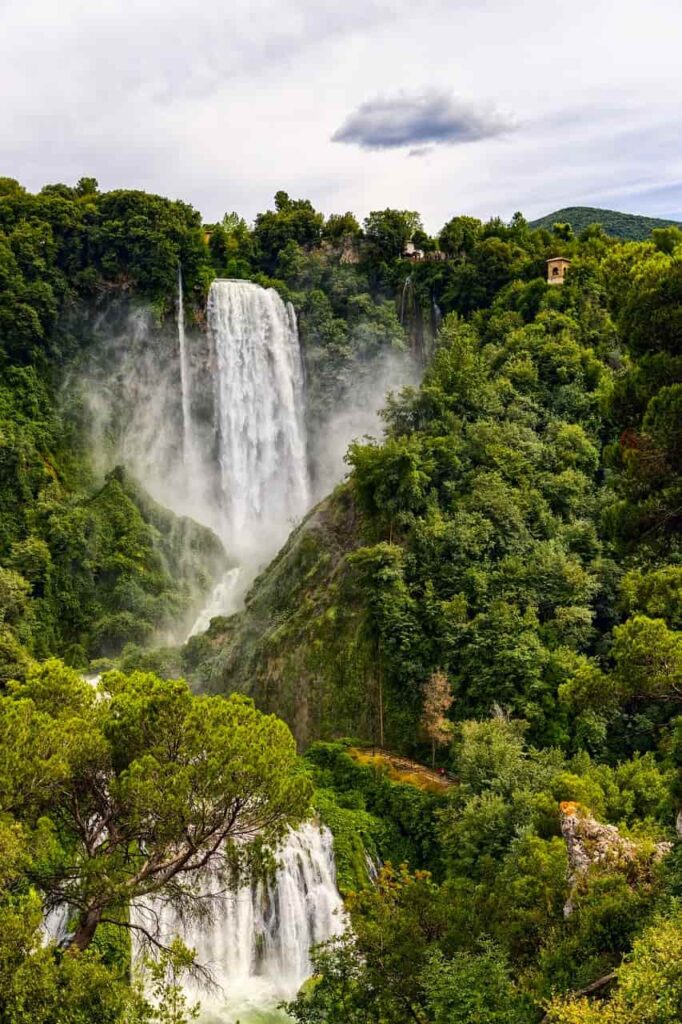
Beyond its towns, this Umbria travel Guide would be incomplete without its landscapes.
The Marmore Waterfalls, created by the ancient Romans, thunder down in a spectacular series of cascades surrounded by lush forest. The Sibillini Mountains offer hiking trails through wildflower meadows and high-altitude panoramas that feel almost alpine. Lake Trasimeno provides a softer side of Umbria, with quiet shores, boat rides to small islands, and glowing sunsets over still water. Exploring the stunning Umbrian nature is unquestionably one of the best things to do in Umbria.
How to Get Around Umbria
The best way to explore the region in depth is by car, especially if you want to follow scenic backroads and reach small mountain towns. Train connections are convenient between key cities like Perugia, Spoleto, and Terni, but rural bus services can be limited and slow.
Some of Umbria’s most rewarding places are also the hardest to reach, like Cascia, which makes having your own vehicle especially valuable. If you’re planning a visit there, be sure to read my dedicated guide to the Basilica of St Rita in Cascia for detailed tips on visiting this special pilgrimage town.
Best Time to Visit Umbria
Spring and autumn are the most beautiful seasons, with mild weather, green landscapes, and fewer visitors. Summer brings festivals, open-air concerts, and lively piazzas, especially in towns like Spoleto and Perugia.
Visiting Gubbio during major events like the Corsa dei Ceri, a centuries-old race held every May 15, or the Palio Della Balestra (on the last Sunday of May), a historic crossbow competition, is an experience like no other. The town comes alive with history, pageantry, and local pride, offering a glimpse into Umbria’s unique traditions that you won’t find anywhere else.
Important religious holidays like Easter are great for visiting places in Umbria like Assisi and Cascia. Religious feast days are also powerful times to visit. The feast of St. Francis in Assisi, celebrated on October 4th, is one of the most moving times to experience the city, with processions, ceremonies, and a vibrant spiritual atmosphere that draws pilgrims and travelers alike. On May 22, the feast Day of St. Rita transforms Cascia into a place of devotion, processions, and community spirit, making it an unforgettable experience for pilgrims and travelers alike. If you’re considering that journey, my Cascia guide covers what to expect during the celebrations.
Suggested Umbria Itineraries
A well-planned route helps you experience the full variety this Umbria Travel Guide highlights.
A five-day itinerary could begin in Perugia before heading to Assisi for its spiritual landmarks. From there, explore the flower-filled streets of Spello and continue south to Spoleto. Finish with hilltop views and quiet charm in Todi or Orvieto before departing. Read: A Perfect 5 Day Umbria Itinerary.
If you have more time, a ten-day Umbria road trip allows you to move at a slower pace. Start in Orvieto, circle up to Lake Trasimeno and Perugia, then cross to Gubbio before heading south through Assisi and Spello. Continue into the mountains to Cascia and Norcia, then finish in Spoleto and Todi, enjoying scenic drives and countryside stays along the way. Read the Ultimate 10-Day Umbria Road Trip Itinerary.
For a religious pilgrimage route, follow the spiritual thread of the region from Assisi to Gubbio, where the story of St. Francis and the wolf is still told. Continue on to Cascia to visit St. Rita’s shrine, and end in Norcia, birthplace of St. Benedict, surrounded by the silence of the mountains.
Conclusion
Umbria doesn’t shout for attention — it whispers. And once you hear it, you’ll never forget it. This Umbria Travel Guide is just the beginning of a journey filled with beauty, depth, and the kind of travel experiences that stay with you long after you return home.

- Villa Timeo Returns in Style: Taormina’s Glamorous Sicilian Comeback This May - May 1, 2026
- Stop Guessing Where to Stay in Cinque Terre — Pick the Perfect Town for Your Travel Style (Before It’s Too Late) - April 30, 2026
- Italy’s Most Beautiful Ancient Ruins Are Hiding in Sicily — And Almost No One Visits Them - April 28, 2026