Traditional Viennese Desserts: 10 Classics to Try in Vienna (and Where to Eat Them)
From imperial chocolate tortes to sugar-dusted strudels — the sweetest journey through Austria’s capital.
Traditional Viennese desserts are more than sweets — they’re stories of emperors, coffee houses, and centuries of sugar-dusted elegance. Vienna hums to the rhythm of clinking cups and the rustle of pastry paper, each café a living museum of confectionery art. On my many trips to Vienna, I’ve made it my mission to taste every classic Viennese dessert — from the dark, dignified Sachertorte to the golden, torn clouds of Kaiserschmarrn.
If you’ve already read my perfect one-day Vienna itinerary, two-day Vienna itinerary, and my guide to the most famous traditional Viennese coffee houses, you know I believe that dessert here isn’t just food — it’s culture. It’s art. It’s the taste of an empire that still lingers in every crumb.
So if you’re planning a trip and wondering what to eat between museum visits and waltzes, save room. This is your guide to the best traditional Viennese desserts — the ones that belong on your Vienna bucket list, the ones locals still whisper about, and the ones that make you fall in love with the city one spoonful at a time.
Traditional Viennese Desserts at a Glance
The most famous traditional Viennese desserts are Sachertorte, Apfelstrudel and Kaiserschmarrn. Here are all 10 classics, plus where to try each one in Vienna:
| # | Dessert | What it is | Where to try it |
|---|---|---|---|
| 1 | Sachertorte | Dense chocolate cake with apricot jam and dark chocolate glaze | Café Sacher or Demel |
| 2 | Apfelstrudel | Paper-thin pastry filled with warm spiced apples and raisins | Café Central or the café in the Kunsthistorisches Museum |
| 3 | Kaiserschmarrn | Caramelized, shredded pancake served with plum compote | Demel (also to go) |
| 4 | Topfenstrudel | Strudel filled with creamy, slightly tangy quark | Café Museum |
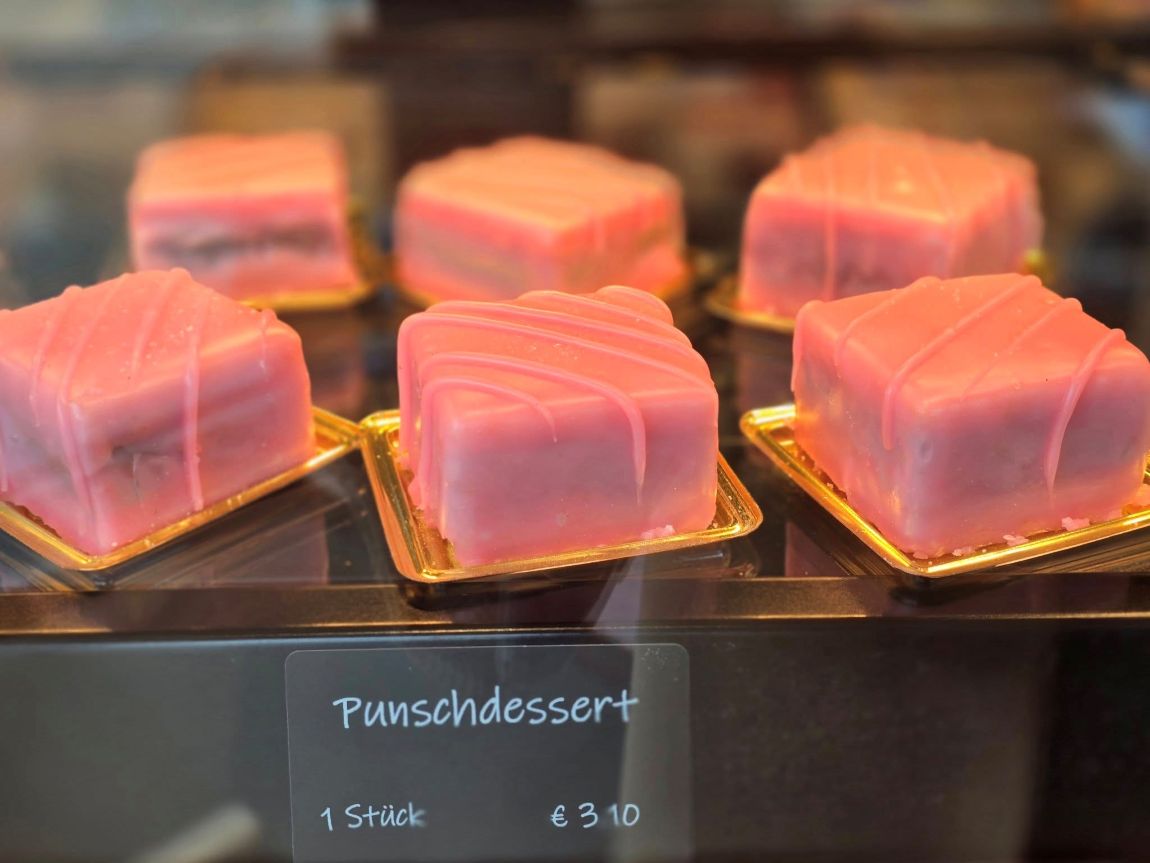
| 5 | Punschkrapfen | Pink-glazed, rum-soaked sponge cube with jam | Aida Café Konditorei |
| 6 | Marillenknödel | Apricot dumplings rolled in buttery toasted breadcrumbs | Zum Schwarzen Kameel |
| 7 | Marillenpalatschinken | Thin crêpes filled with apricot jam | Gasthaus Pöschl |
| 8 | Esterhazy Torte | Layered almond-hazelnut meringue cake with buttercream | Gerstner K. u. K. Hofzuckerbäcker |
| 9 | Kardinalschnitte | Meringue and sponge layered with light coffee cream | Café Diglas |
| 10 | Vanillekipferl | Crescent-shaped vanilla nut cookies, a Christmas classic | Kurkonditorei Oberlaa |
Jump to a Dessert
- Sachertorte
- Apfelstrudel
- Kaiserschmarrn
- Topfenstrudel
- Punschkrapfen
- Marillenknödel
- Marillenpalatschinken
- Esterhazy Torte
- Kardinalschnitte
- Vanillekipferl
THIS POST MAY CONTAIN COMPENSATED LINKS. PLEASE READ MY DISCLAIMER FOR MORE INFO.
1. Sachertorte — Try it at Café Sacher or Demel

No other Viennese dessert is as iconic as the Sachertorte. Born in 1832, when 16-year-old apprentice Franz Sacher stepped in to create a dessert for Prince Metternich, this legendary Vienna cake has since become a national treasure. A dense yet elegant chocolate sponge layered with apricot jam and cloaked in glossy dark chocolate, the Sachertorte is the very definition of refined indulgence.
At Hotel Sacher, the original recipe is still a closely guarded secret. The result: a perfectly balanced sweetness that pairs harmoniously with a dollop of unsweetened whipped cream. Meanwhile, Demel, the rival patisserie, offers its own historic version, sparking one of Vienna’s most famous culinary feuds. Whichever side you choose, you’re tasting more than cake—you’re tasting centuries of Viennese history served on porcelain.
Café Sacher: practical info
- Address: Philharmoniker Straße 4, 1010 Vienna (behind the Vienna State Opera)
- Hours: Daily, about 8:00–22:00 (check sacher.com)
- Price: Approx. €9–10.50 per slice of Original Sacher-Torte; coffee is extra
- Tip: Expect a queue at peak times. Book a table online, or try the nearby Sacher Stube when the café is full.
- Open in Google Maps
Demel: practical info
- Address: Kohlmarkt 14, 1010 Vienna
- Hours: Daily, 10:00–19:00 (per demel.com)
- Price: Approx. €8.50 per slice of Eduard-Sacher-Torte
- Tip: Demel doesn’t take reservations, so expect a short wait at busy times.
- Open in Google Maps
2. Apfelstrudel — Try it at Café Central and Café in the Kunsthistorisches Museum
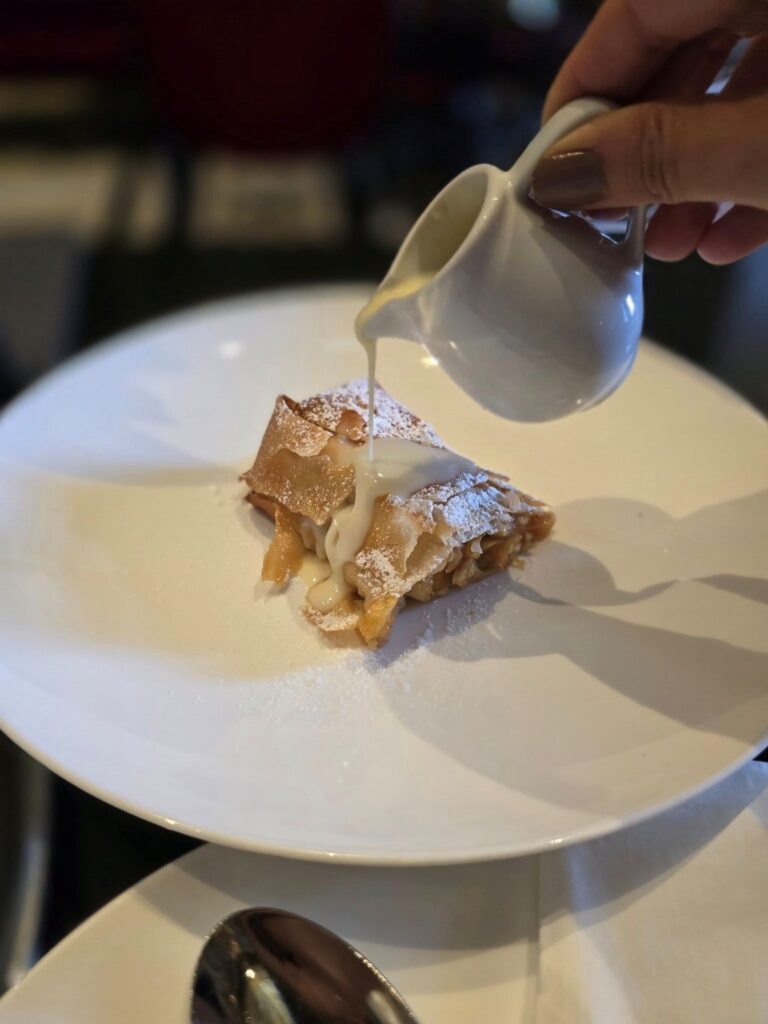
Few traditional Austrian desserts capture home-baked comfort like Apfelstrudel. Originating from the Austro-Hungarian Empire and inspired by Ottoman pastries, this Vienna dessert layers paper-thin pastry around warm spiced apples, raisins, and buttery crumbs. The delicate dough, so translucent you could almost read love letters through it, requires both skill and patience to master.
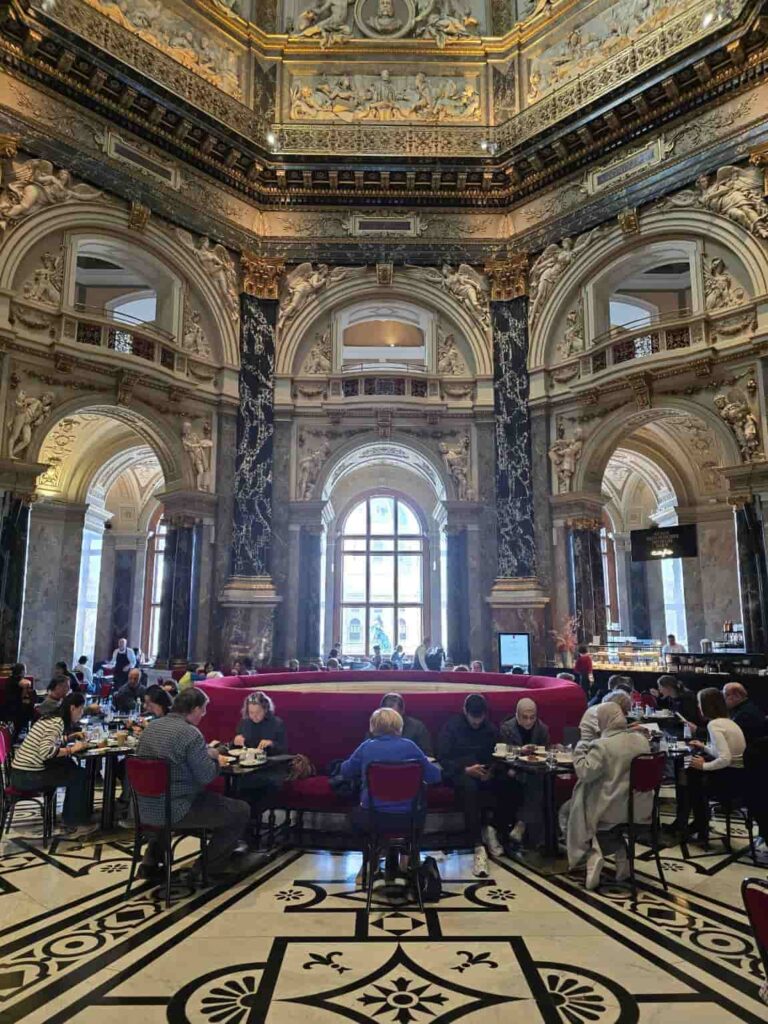
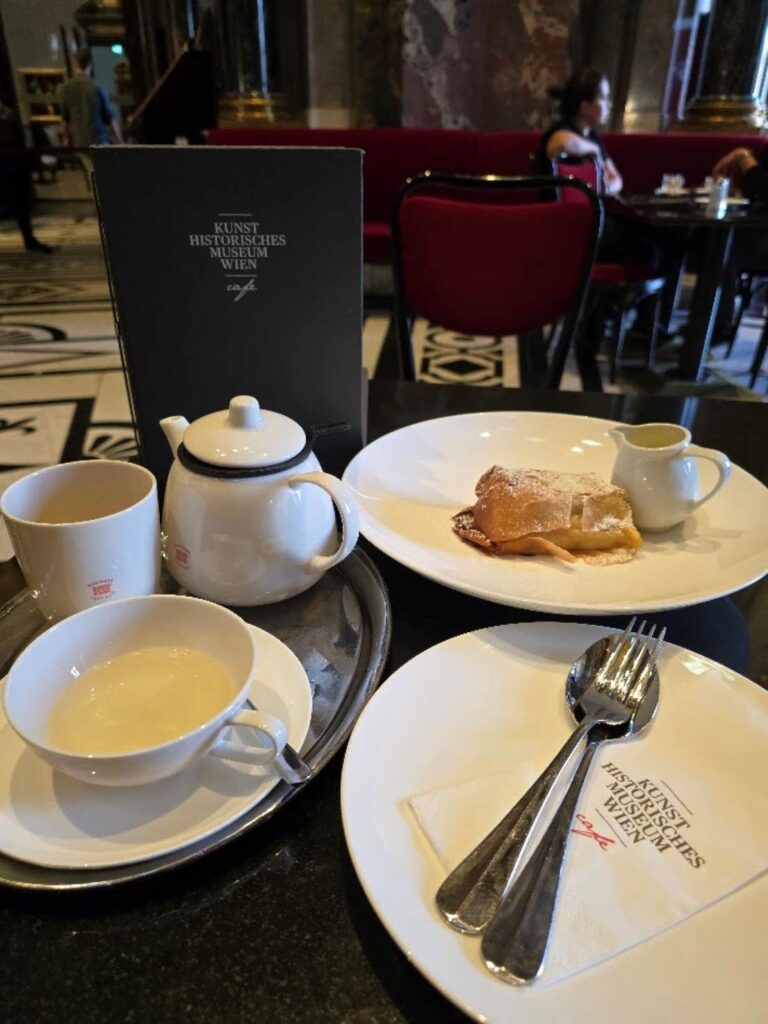
At Café Central, beneath its vaulted ceilings where Trotsky once lingered over coffee, the Apfelstrudel arrives warm, perfumed with cinnamon and served with vanilla sauce or ice cream. And for an equally enchanting experience, try it at the Café inside the Kunsthistorisches Museum (Art History Museum). Under the museum’s grand dome, surrounded by marble columns and golden frescoes, a slice of Apfelstrudel feels almost ceremonial — a meeting of art, history, and Viennese sweetness. Each forkful carries the taste of nostalgia, the kind of warmth that lingers longer than the last bite.
Café Central: update (renovation)
Café Central closed for a major renovation on 16 March 2026, and reopening is planned for winter 2026. Check cafecentral.wien before you go. In the meantime, its pop-up café DECENTRAL serves coffee and pastries from the Central patisserie.
- DECENTRAL address: Palais Harrach, Freyung 3, 1010 Vienna
- Hours: Daily, about 7:30–22:00 (check before you go)
- Price: Strudel typically costs about €5–8 in Vienna cafés
- Open DECENTRAL in Google Maps
Café in the Kunsthistorisches Museum: practical info
- Address: Burgring 5, 1010 Vienna (inside the museum, under the dome)
- Hours: Tuesday–Sunday, about 10:00–17:30; Thursday evenings later (check the museum’s site)
- Price: Strudel typically costs about €5–8 in Vienna cafés; museum cafés can be a little higher
- Tip: Entry is through the museum, so check whether you need a ticket for the café on the day you visit.
- Open in Google Maps
3. Kaiserschmarrn — Try it at Demel

This whimsically torn pancake is pure Austrian joy. Kaiserschmarrn, meaning “the Emperor’s mess,” was reportedly Emperor Franz Joseph I’s favorite treat. It’s a golden, fluffy pancake shredded into bite-sized pieces, caramelized with sugar, and sprinkled with powdered sugar like mountain snow.
Served with plum compote or apple sauce, Kaiserschmarrn is airy yet rich, indulgent yet comforting. The magic lies in its contradictions—it’s imperfectly perfect, rustic yet regal. Try it at Demel, where the royal pastry kitchen once supplied the Habsburg court. Their version is soft, buttery, and delicately caramelized, arriving in a sizzling pan that perfumes the air with vanilla.
And here’s a delightful secret: Demel also serves Kaiserschmarrn to go—from a small window right near the main entrance. You’ll often see locals lining up for a warm portion wrapped to take away, ready to enjoy as they stroll through Vienna’s elegant streets. Whether savored inside under crystal chandeliers or eaten from a paper box on Kohlmarkt, Demel’s Kaiserschmarrn is a taste of Viennese royalty that everyone can share.
Demel Kaiserschmarrn: practical info
- Address: Kohlmarkt 14, 1010 Vienna (to-go window near the main entrance)
- Hours: Café and Kaiserschmarrn daily, 10:00–19:00 (per demel.com)
- Price: Kaiserschmarrn as a sit-down dessert typically runs about €12–16 in Vienna; check the to-go window for its price
- Tip: No reservations. The to-go window is the quickest option.
- Open in Google Maps
4. Topfenstrudel — Try it at Café Museum
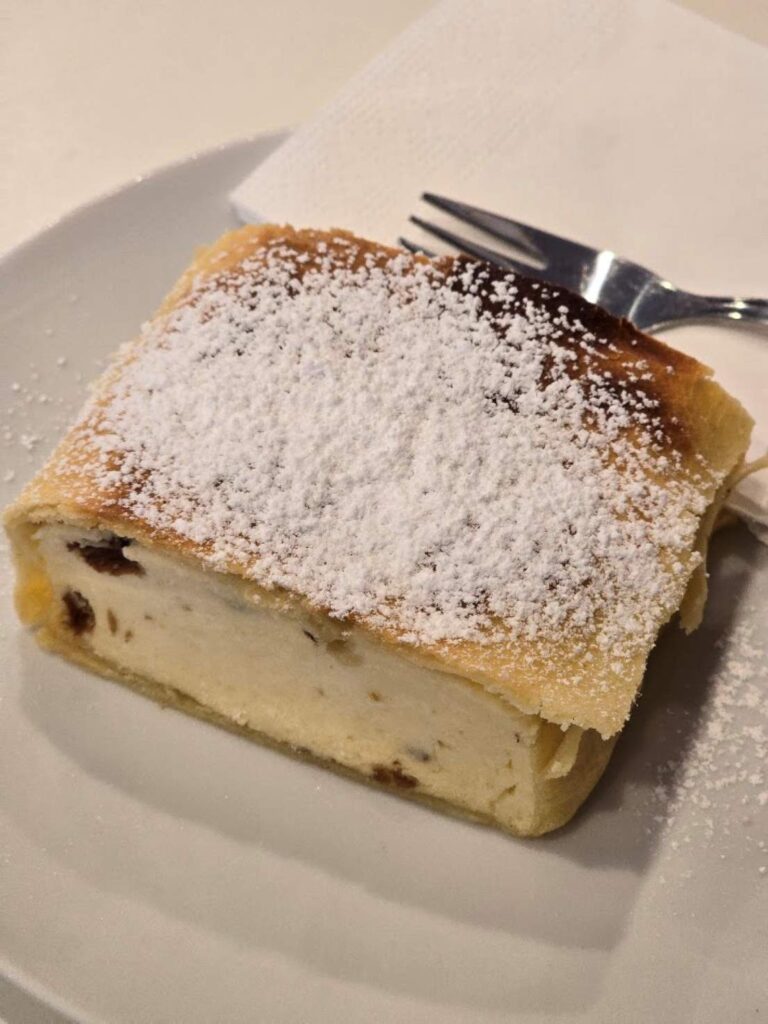
If Apfelstrudel is comfort, Topfenstrudel is sophistication. This lesser-known cousin replaces apples with creamy Topfen (Austrian quark or fresh curd cheese), folded into whisper-thin pastry and baked until golden. Slightly tangy, softly sweet, and often served with warm vanilla sauce, it’s one of the most refined Austrian desserts you’ll taste.
At Café Museum, just steps from the Secession Building, the Topfenstrudel feels like a secret Viennese indulgence—something locals love but tourists often overlook. Each forkful is a quiet symphony of creaminess and lightness, the perfect afternoon reward after wandering through Vienna’s museums.
Café Museum: practical info
- Address: Operngasse 7, 1010 Vienna (near the Secession and Karlsplatz)
- Hours: Daily, 8:00–21:00
- Price: Strudel typically costs about €5–8 in Vienna cafés
- Tip: You can reserve a table on cafemuseum.at.
- Open in Google Maps
Best Vienna Cakes Tours:
Vienna Coffee, Cake & Pastries Tour with Local Stories
Vienna: 2.5-Hour Viennese Coffee, Cake, and Chocolate Tour
2.5 Hours Viennese Coffee House Culture Tour with Tastings
Book Your Stay in Vienna:
The Amauris Vienna – Relais & Châteaux, a 5-star hotel on the historic Ring Boulevard, within walking distance to the Vienna State Opera and the Musikverein concert hall.
5. Punschkrapfen — Try it at Aida Café Konditorei
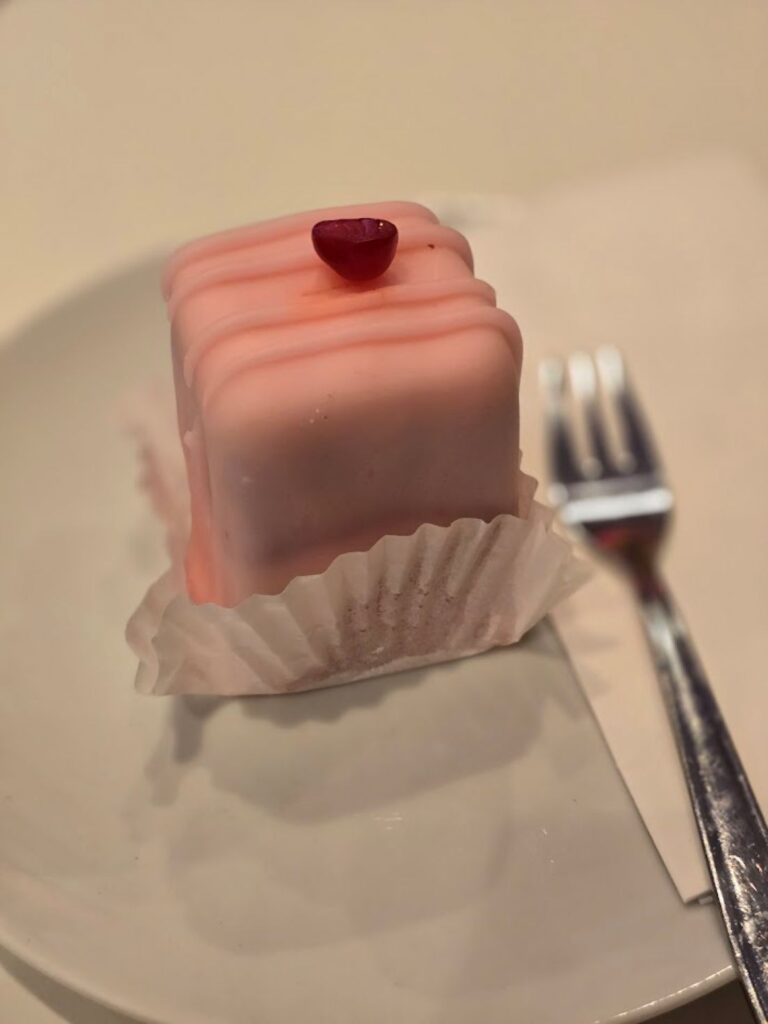
Think of Punschkrapfen as Austria’s playful answer to the petit four. This pink-glazed cube of rum-soaked sponge cake, layered with jam and chocolate, has been brightening pastry cases since the 19th century. Its distinctive rosy icing makes it one of the most photogenic traditional Viennese desserts, but beneath the charm lies a serious hit of flavor.
At Aida, Vienna’s beloved retro café chain, the Punschkrapfen captures pure nostalgia. The combination of boozy warmth, sweet glaze, and jammy filling feels like a toast to the city’s spirited café culture. It’s small, bold, and absolutely unforgettable.
Aida: practical info
- Address: Singerstraße 1, 1010 Vienna (near Stephansplatz); Aida has many branches across Vienna
- Hours: Monday–Saturday, about 8:00–22:00 (varies by branch; check aida.at)
- Price: Aida is one of Vienna’s budget-friendly cake stops, roughly €4.50–5 per slice
- Open in Google Maps
6. Marillenknödel — Try it at Zum Schwarzen Kameel
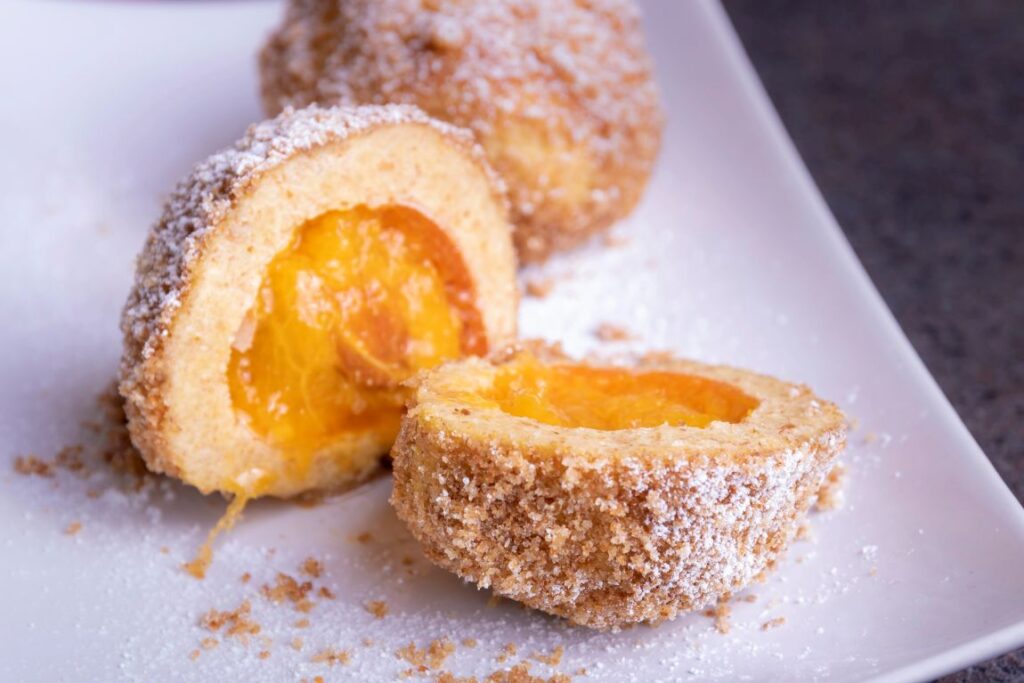
Summertime in Vienna tastes like Marillenknödel—sweet apricot dumplings wrapped in potato or quark dough, boiled, then rolled in buttery toasted breadcrumbs. Originating from the region of Wachau, famous for its apricots, this Austrian dessert embodies the fleeting beauty of summer fruit.
At Zum Schwarzen Kameel, a centuries-old culinary institution, the Marillenknödel arrives warm and fragrant, the apricot inside bursting with tangy sweetness against the soft dough. Dust it with powdered sugar, take one bite, and understand why Viennese grandmothers guard their recipes like family heirlooms.
Zum Schwarzen Kameel: practical info
- Address: Bognergasse 5, 1010 Vienna
- Hours: Open most of the day into the evening; Sunday hours vary, so check schwarzeskameel.at
- Price: Upper-mid range (€€€). Marillenknödel is a seasonal dessert, so check the current menu.
- Tip: Marillenknödel is best in apricot season (summer).
- Open in Google Maps
7. Marillenpalatschinken — Try it at Gasthaus Pöschl
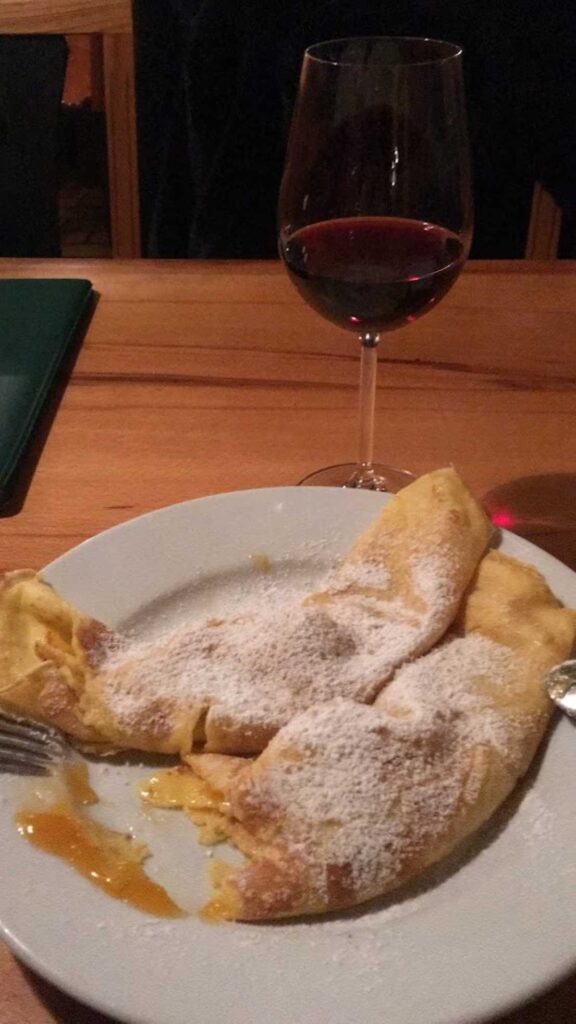
Another ode to the apricot, Marillenpalatschinken are delicate Austrian crêpes filled with apricot jam, then rolled and sometimes flambéed for drama. These traditional Vienna desserts trace their lineage to Central European kitchens influenced by both Hungarian and French traditions.
At Gasthaus Pöschl, the Marillenpalatschinken are tender and buttery, their jam filling perfectly balanced between tart and sweet. Served with a sprinkle of sugar and sometimes a scoop of vanilla ice cream, they embody the Viennese love of simple pleasures elevated to art.
Gasthaus Pöschl: practical info
- Address: Weihburggasse 17, 1010 Vienna
- Hours: Monday–Saturday, 12:00–23:00 (kitchen until about 22:00); closed Sunday
- Price: Traditional Viennese Gasthaus with mid-range prices; check the menu for the dessert price
- Tip: It’s a restaurant, not a café, so it’s best for dessert after a meal. Reserve in the evening or in summer if you want an outdoor table.
- Open in Google Maps
8. Esterhazy Torte — Try it at Gerstner K. u. K. Hofzuckerbäcker
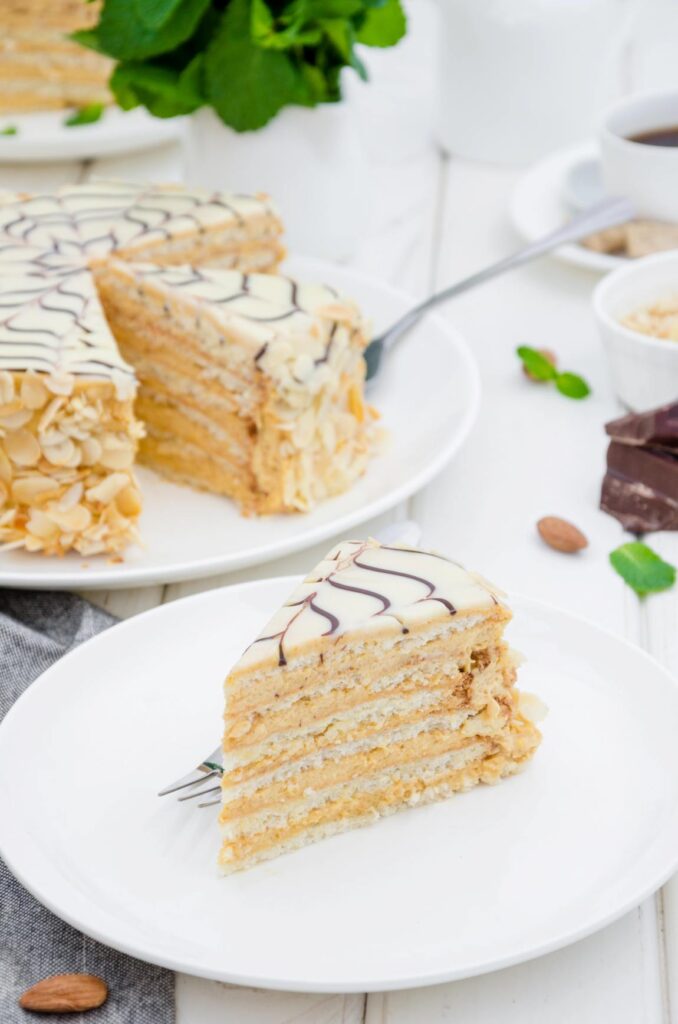
Named after the diplomat Prince Paul III Anton Esterházy, this intricate Viennese dessert layers almond-hazelnut meringue with buttercream enriched by cognac or vanilla. Its signature striped glaze—white fondant with delicate chocolate lines—is instantly recognizable across Austrian patisseries. Created in the late 19th century, the Esterhazy Torte became a popular dessert in Austria and Hungary during the Austro-Hungarian Empire, enjoyed in aristocratic circles and elegant cafés alike. Today, it remains a symbol of imperial sophistication, showcasing the artistry and refinement that define traditional Austrian desserts.
At Gerstner K. u. K. Hofzuckerbäcker, directly opposite the Vienna State Opera, the Esterhazy Torte feels like a slice of imperial opulence. Rich, nutty, and beautifully balanced, it’s a dessert that whispers luxury. Every bite echoes Vienna’s golden era of elegance.
Gerstner K. u. K. Hofzuckerbäcker: practical info
- Address: Kärntner Straße 51 (Palais Todesco), 1010 Vienna, opposite the State Opera
- Hours: Shop daily, about 8:00–22:00; café-bar on the first floor Monday–Saturday from 11:30 (check gerstner.at, as floors have different hours)
- Price: Roughly €6.50–7 per slice of cake
- Tip: Buy at the ground-floor counter or sit upstairs for the palais interior.
- Open in Google Maps
9. Kardinalschnitte — Try it at Café Diglas
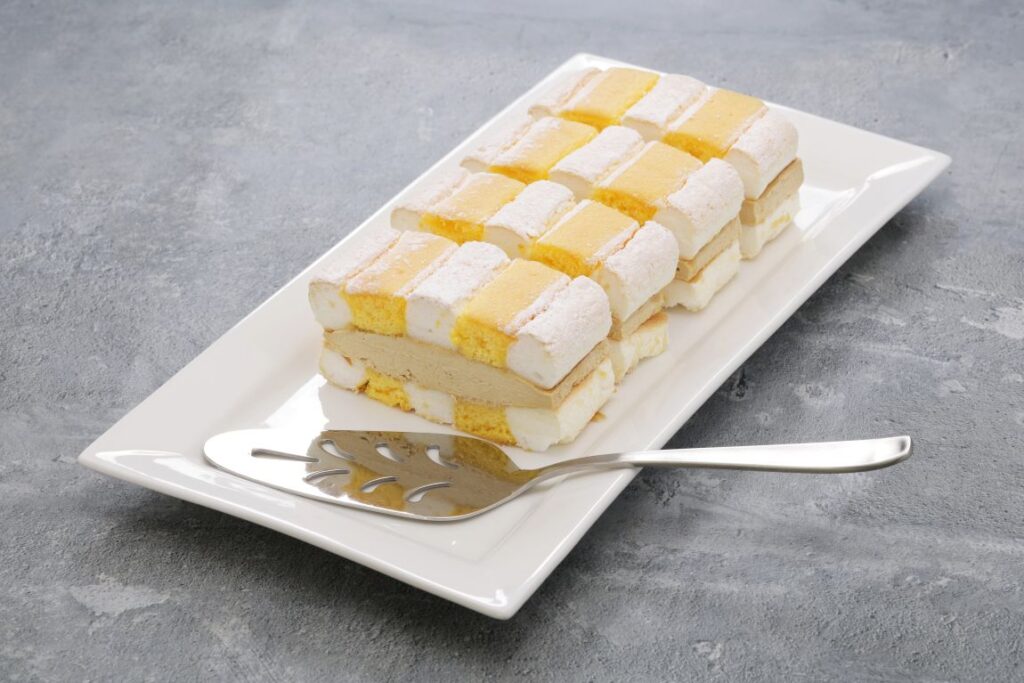
Light, airy, and utterly Viennese, Kardinalschnitte combines meringue, sponge cake, and coffee cream into a divine symphony of texture. In 1933, Viennese bakers created Kardinalschnitte to celebrate theologian Theodor Innitzer’s elevation to cardinal. The cake’s signature white and yellow stripes mimic the Vatican’s colors.
At Café Diglas, the Kardinalschnitte feels like Sunday afternoon in edible form—refined, not overly sweet, with the subtle bitterness of coffee cream balancing the meringue’s softness. This Vienna dessert captures the quiet sophistication that defines the city’s café culture.
Café Diglas: practical info
- Address: Wollzeile 10, 1010 Vienna (a few minutes from St. Stephen’s Cathedral)
- Hours: Mon–Wed 8:00–22:00; Thu–Fri 8:00–22:30; Sat 9:00–22:30; Sun 9:00–18:00
- Price: A slice of cake in a Vienna café typically costs about €4.50–10
- Tip: There’s live piano music in the evenings on some days.
- Open in Google Maps
10. Vanillekipferl — Try it at Kurkonditorei Oberlaa
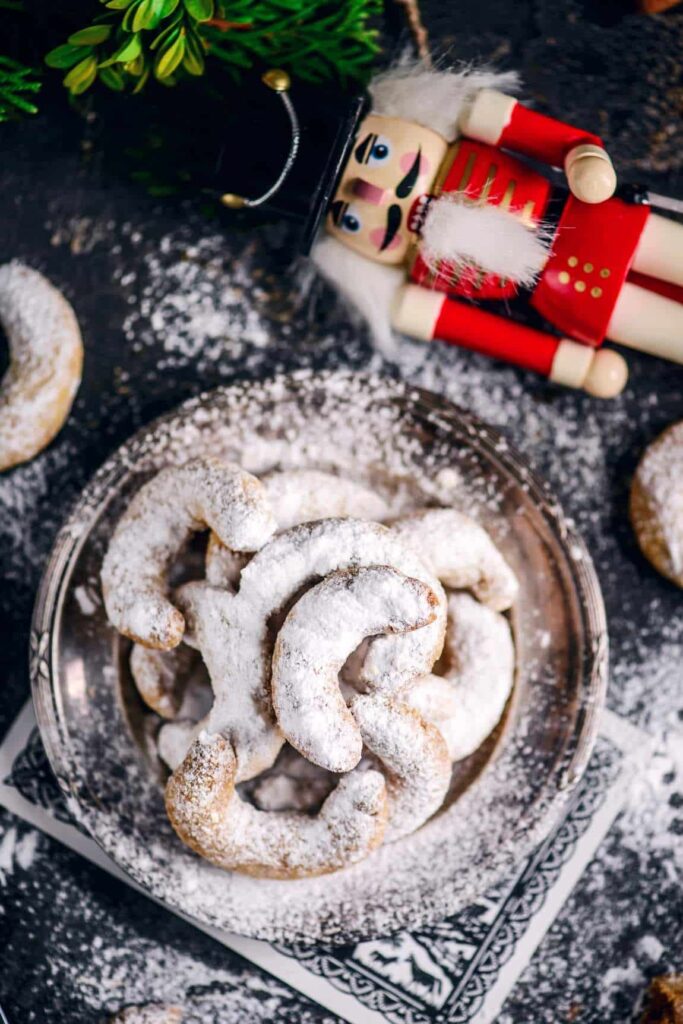
Finally, no list of traditional Viennese desserts is complete without Vanillekipferl—crescent-shaped vanilla cookies that fill Vienna’s air with the scent of Christmas. These delicate cookies date back to the 17th century, believed to have originated in Vienna. The “kipferl,” or crescent shape, is said to have been created to celebrate an Austrian victory over the Turkish Ottoman Empire in 1683 in Vienna. The crescent shape of cookies resembles the crescent moon on the Turkish flag. Traditionally baked during the festive season, they were a symbol of prosperity and a favorite among the nobility, gradually becoming a beloved treat for families across Austria.
Made from ground almonds or hazelnuts and dusted in vanilla sugar, they melt delicately on the tongue. At Kurkonditorei Oberlaa, these biscuits are perfection: buttery, aromatic, and gently sweet. Though often tied to the festive season, locals enjoy them year-round with coffee. If Vienna’s best cakes are its opera, Vanillekipferl is its lullaby—simple, soft, and unforgettable.
Kurkonditorei Oberlaa: practical info
- Address: Neuer Markt 16, 1010 Vienna (a short walk from St. Stephen’s Cathedral); Oberlaa has several other branches
- Hours: Daily, 8:00–20:00
- Price: Approx. €5.80–6.50 per slice of cake; cookies are sold at the counter by weight or by the bag
- Tip: The counter is good for take-away cookies and gifts.
- Open in Google Maps
A Final Bite
Vienna is not just a city of waltzes—it’s a city of desserts. From the imperial indulgence of Sachertorte to the humble joy of Apfelstrudel, these traditional Viennese desserts tell Vienna’s story one spoonful at a time. On your next trip, don’t just see Vienna—taste it. Order that slice, linger over that cup of coffee, and let every bite be a note in your own Vienna symphony.
- Traditional Viennese Desserts: 10 Classics to Try in Vienna (and Where to Eat Them) - November 23, 2026
- Villa Timeo Returns in Style: Taormina’s Glamorous Sicilian Comeback This May - May 1, 2026
- Stop Guessing Where to Stay in Cinque Terre — Pick the Perfect Town for Your Travel Style (Before It’s Too Late) - April 30, 2026