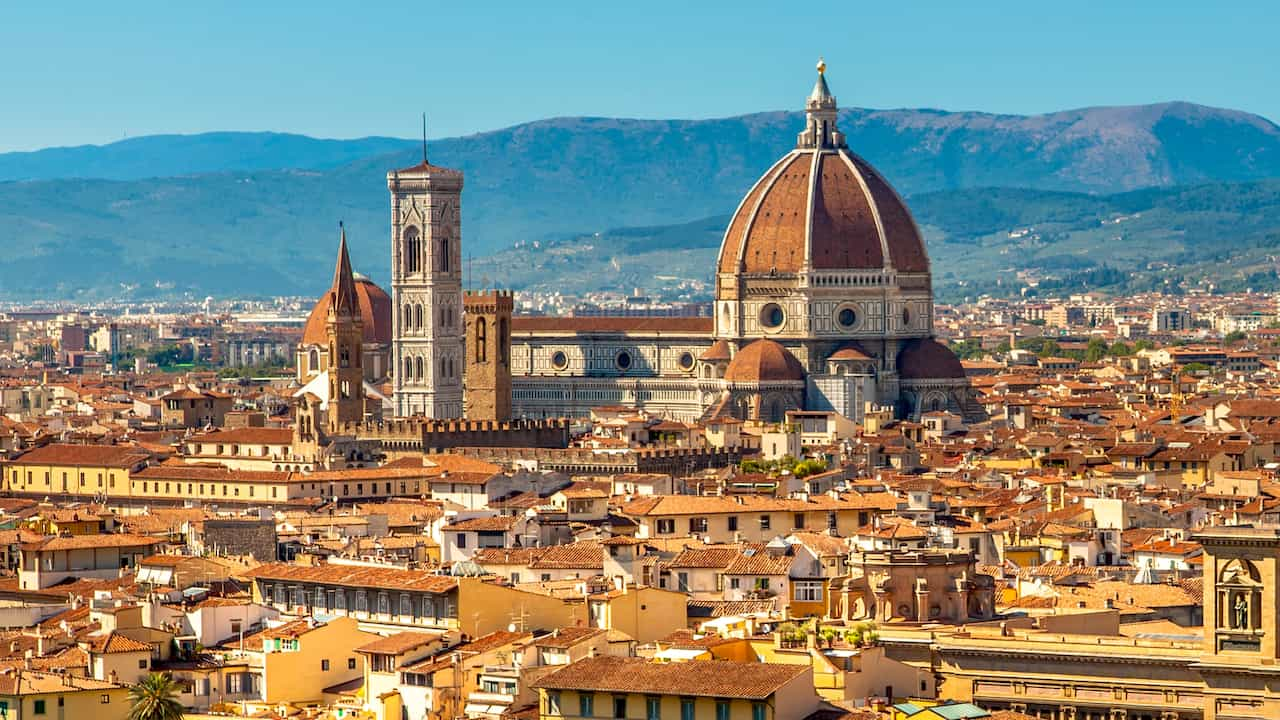
Colomba di Pasqua: The Traditional Italian Easter Cake Loved Across Italy
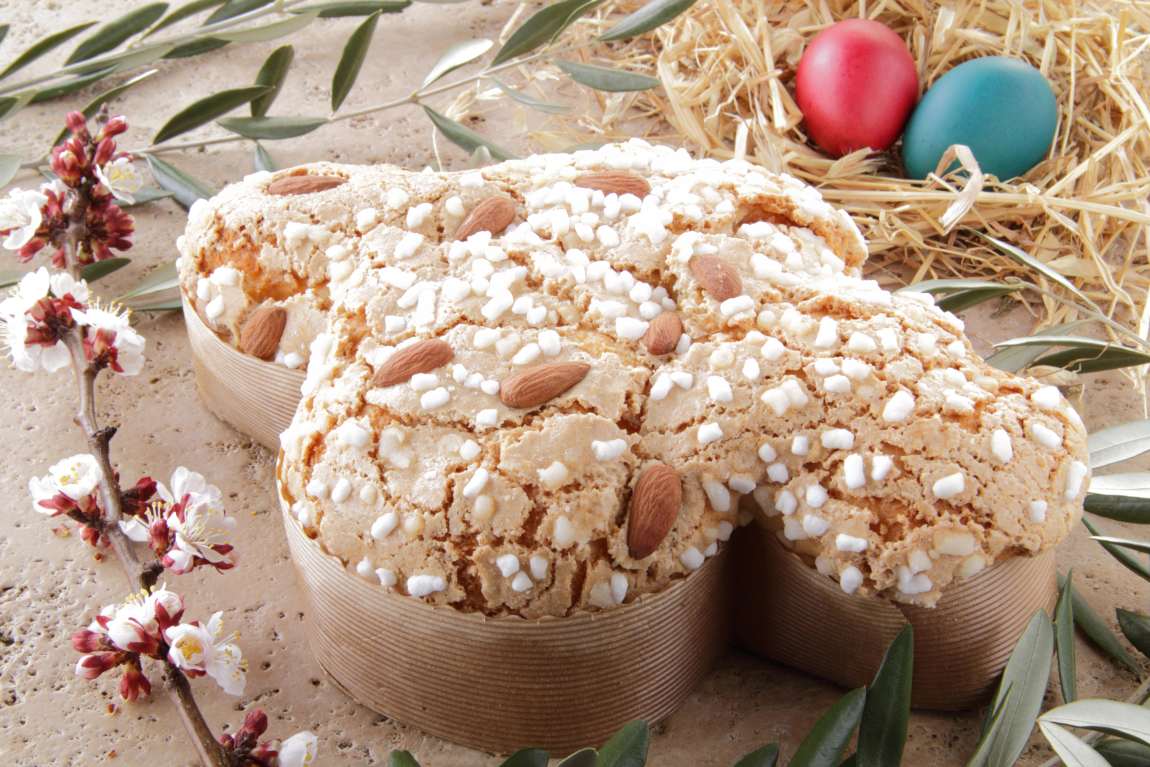
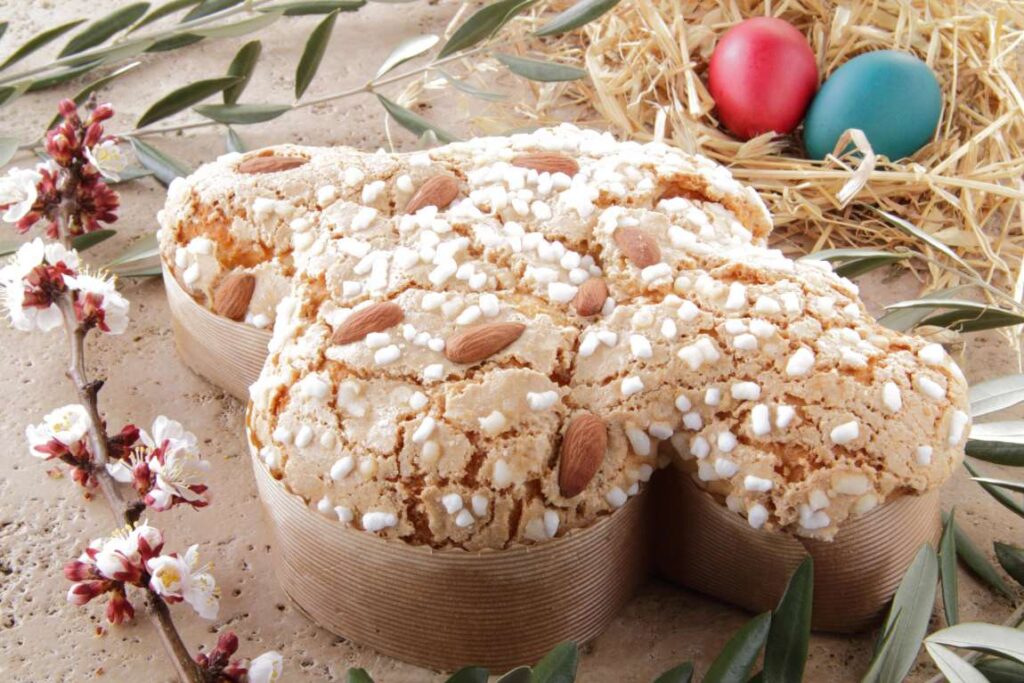
Colomba di Pasqua is a traditional Italian Easter cake shaped like a dove, made from a light, enriched yeast dough with candied orange peel and topped with almonds and sugar.
Traveling across Italy during Easter, I noticed something consistent in every city, town, and village I visited—Colomba di Pasqua was everywhere. From elegant bakeries in Milan to small neighborhood pasticcerie in Rome and even supermarket shelves, this iconic cake quietly becomes part of the Italian spring landscape.
THIS POST MAY CONTAIN COMPENSATED LINKS. PLEASE READ MY DISCLAIMER FOR MORE INFO.
Quick Snapshot: What You Need to Know
- What it is: Italian Easter cake shaped like a dove
- Where to find it: Pasticcerie, bakeries, supermarkets across Italy
- When it’s eaten: Easter season
- Why it matters: A symbol of peace, tradition, and celebration
What Is Colomba di Pasqua and Why Do Italians Eat It Every Easter?
Colomba di Pasqua is a traditional Italian Easter cake shaped like a dove, symbolizing peace and renewal. Similar to panettone, it has a soft, airy texture but is finished with a crunchy almond topping instead of raisins.
During my travels through cities like Milan, Rome, and Florence, I found it everywhere during the Easter season—beautifully wrapped, displayed in bakery windows, and often gifted among families. Colomba di Pasqua is not just a dessert; it’s part of the Easter celebration in Italy.
After eating Colomba cake in Italy, it becomes one of those foods that instantly connects you to a place—one bite, and you’re no longer just tasting a cake, you’re experiencing an Italian Easter.
Why Colomba Cake Is So Important in Italy
During Easter in Italy, Colomba cake is more than just a dessert—it becomes part of everyday life. Walking through Italian streets in spring, you’ll see beautifully wrapped versions displayed in bakery windows, stacked in shops, and gifted between families.
In cities like Florence, it’s common to find entire sections of pastry shops dedicated to Colomba cakes, often alongside other seasonal treats. It’s a reminder that in Italy, food is deeply tied to tradition, culture, and celebration.
Why Is It the Most Iconic Italian Easter Cake?
The first bite is something you don’t forget easily—soft, fragrant, and just sweet enough, with a delicate crunch on top that makes every slice feel special.
Colomba cake stands out because:
- It is shaped like a dove (symbol of peace)
- It has a light, airy texture
- It includes candied citrus flavors
- It features a crunchy almond topping
- It is traditionally eaten at Easter in Italy
What makes it even more special is how deeply it’s connected to Italian culture—you don’t just eat it, you experience it.
The Meaning Behind the Dove Shape (And Why It Matters in Italy)
The dove shape represents peace, love, and renewal—important symbols of Easter in Italian culture.
What Goes Into an Authentic Colomba di Pasqua Recipe?
To make an authentic Italian Easter cake, you’ll need:
- Flour
- Eggs
- Butter
- Sugar
- Natural yeast or sourdough starter
- Candied orange peel
- Almond glaze
- Whole almonds and pearl sugar
Like many Italian recipes, simplicity is key—but the quality of ingredients makes all the difference.
Classic Colomba di Pasqua Recipe (With Measurements)
If you want to recreate this Easter classic at home, here’s a traditional version with exact quantities:
Dough Ingredients
- 500 g (4 cups) flour
- 150 g (¾ cup) sugar
- 150 g (⅔ cup) butter
- 3 eggs
- 120 ml (½ cup) milk
- 7 g (2¼ tsp) dry yeast
- 1 tsp vanilla extract
- Zest of 1 orange
- 150 g candied orange peel
- Pinch of salt
Almond Topping
- 50 g ground almonds
- 2 egg whites
- 80 g sugar
- Whole almonds
- Pearl sugar
How to Make Colomba di Pasqua (Step-by-Step Recipe)
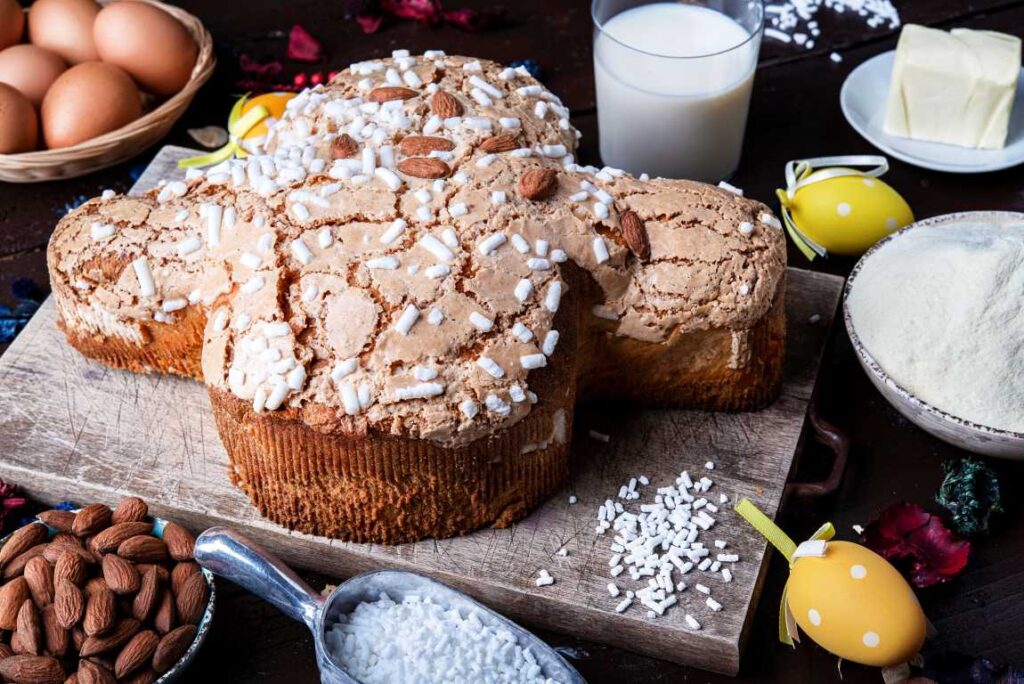
Making this popular Italian holiday cake at home is a rewarding process that involves careful preparation and proper fermentation. Follow the steps below to achieve a soft, airy traditional dove cake with a delicate flavor and signature almond topping.
1. How to Start the Perfect Colomba Dough
Mix flour, yeast, eggs, sugar, and butter until smooth. Knead until elastic.
2. Why the First Rise Is So Important
Let the dough rise until doubled in size.
3. The Secret to That Signature Citrus Taste
Fold in candied orange peel.
4. How to Achieve the Classic Dove Shape
Place into a traditional dove-shaped mold.
5. The Step Most People Rush (But Shouldn’t)
Allow the dough to rise again until light and airy.
6. Creating the Crunchy Almond Finish
Spread almond glaze and top with almonds and pearl sugar.
7. Baking to Golden Perfection
Bake until golden brown and fully cooked.
8. The Final Step That Makes or Breaks the Texture
Let it cool before slicing to maintain structure.
What Colomba di Pasqua Really Tastes Like (Texture, Flavor & Experience)
Colomba di Pasqua has a delicate and aromatic flavor profile:
- Light, airy, and fluffy texture
- Subtle sweetness
- Citrus notes from candied orange peel
- Crunchy almond and sugar topping
This balance makes it one of the most beloved Italian Easter desserts. And, it reminds me of slow Italian mornings—simple, elegant, and incredibly satisfying.
If you want to explore more, you can discover the most famous traditional foods in Italy across different regions.
Modern Colomba Cake Variations You’ll Find in Italian Bakeries
Today, you’ll find modern twists across Italy:
- Chocolate chip Colomba
- Pistachio cream-filled Colomba
- Limoncello-flavored Colomba
- Gluten-free or vegan alternatives
In bigger cities, I’ve seen entire bakery displays dedicated just to these creative versions.
How Italians Actually Serve It (And How You Should Too)
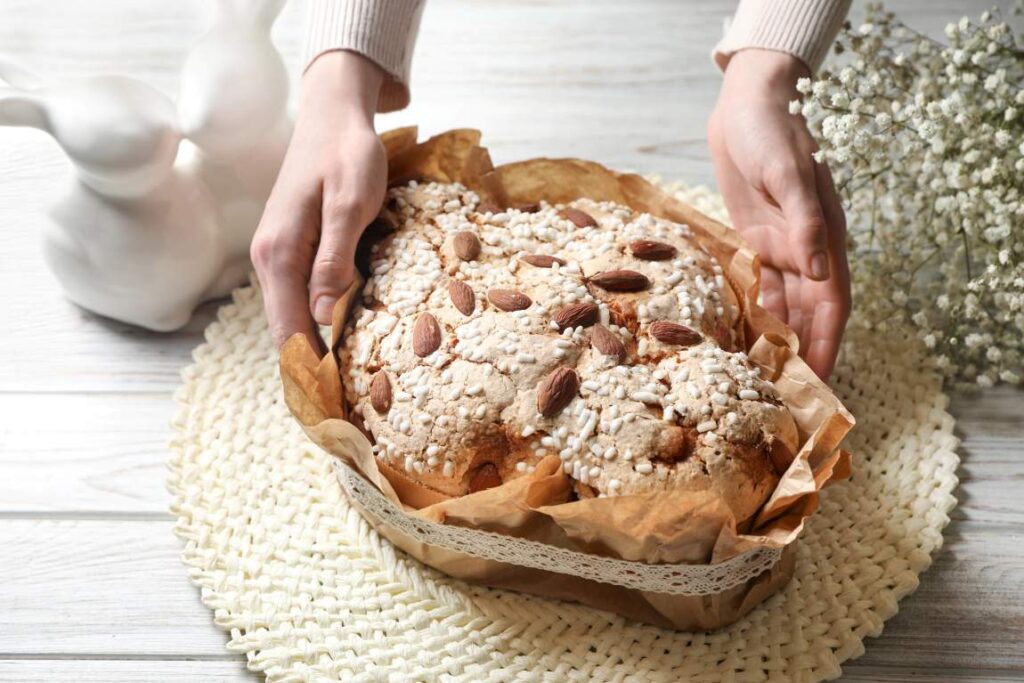
Colomba cake is best served:
- Slightly warm or at room temperature
- With espresso or cappuccino
- Paired with dessert wine
It is typically enjoyed as a centerpiece dessert during Easter meals.
During my travels, I often enjoyed a slice in a café with a cappuccino. Sitting at a small café table with a slice of Colomba and a cappuccino, watching everyday life pass by—that’s one of those simple Italian moments that stays with you long after the trip ends.
Colomba di Pasqua pairs beautifully with Italian beverages. If you’re interested in exploring more options, check out the most popular Italian drinks in Italy to complement traditional desserts.
Why Colomba di Pasqua Has Become a Global Easter Favorite
Colomba di Pasqua continues to grow in popularity because:
- It represents the Italian Easter tradition
- Its dove shape carries symbolic meaning
- It combines rich flavor with a light texture
- It’s ideal for sharing with family and friends
In Italy, food is never just food—it’s tradition, memory, and connection. Colomba di Pasqua is a perfect example of that.
Colomba di Pasqua vs Panettone: What’s the Real Difference?
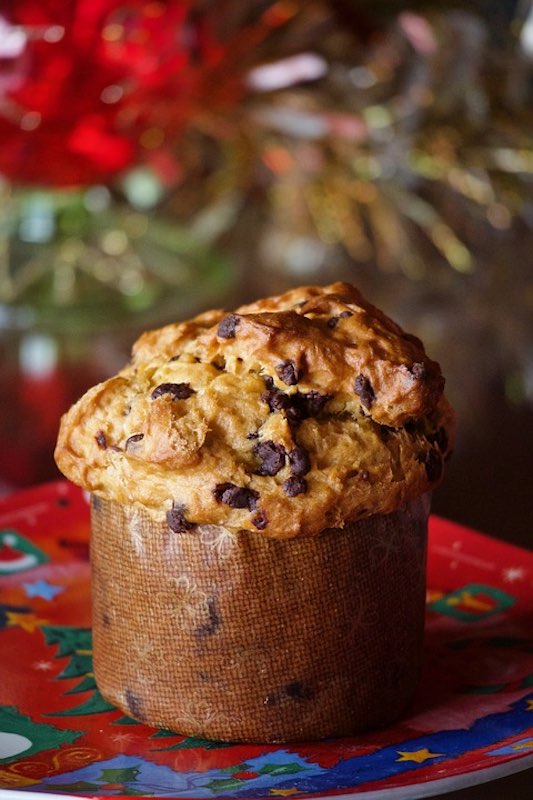
Although similar, these two cakes belong to different seasons:
- Colomba di Pasqua: Easter cake, dove-shaped, topped with almonds
- Panettone: Christmas cake, tall and round, often contains raisins
Both share a soft, enriched dough. Both reflect how Italians celebrate through food all year round.
When Italians Eat It (And Why Timing Matters)
Colomba cake is traditionally eaten on Easter Sunday and throughout the Easter season in Italy.
From my experience, you’ll start seeing it weeks before Easter—lined up in shops across Italy, beautifully packaged and ready to be shared.
The Surprising History Behind Colomba di Pasqua
The modern version of Colomba di Pasqua was developed in the 1930s by Motta, the same company known for popularizing panettone.
However, dove-shaped breads date back centuries in Italian tradition, symbolizing peace and religious devotion. Even today, every Colomba carries a sense of history—like a recipe passed down through generations, quietly telling the story of Italian Easter traditions.
Colomba di Pasqua FAQs Answered (What Most People Get Wrong)
Below are answers to some of the most common questions about Colomba cake. These FAQs will help you better understand its meaning, preparation, and how it compares to other traditional Italian desserts.
What does Colomba di Pasqua mean?
“Colomba” means dove in Italian, symbolizing peace and renewal.
Is Colomba di Pasqua the same as panettone?
No, although similar, Colomba di Pasqua is made for Easter and has a different shape and topping.
Can I make Colomba di Pasqua without a mold?
Yes, but using a traditional mold helps achieve the classic dove shape.
Expert Secrets to Making Perfect Colomba Cake at Home
Baking a perfect Italian Easter cake requires patience and attention to detail. Since the dough is delicate, small adjustments can significantly improve the final result.
Here are the most important tips to achieve the best results:
- Use high-quality ingredients
Fresh eggs, real butter, and good-quality flour significantly improve flavor and structure. Since the recipe is simple, ingredient quality matters. - Allow enough fermentation time
Slow rising is key. Give the dough ample time to ferment so it develops a light, airy texture and rich taste. - Control the temperature
Avoid drafts or cold environments during rising. A warm, stable environment helps the dough rise properly. - Do not rush the second rise
The second proof is essential for achieving the signature fluffy texture. The dough should be visibly light and expanded before baking. - Handle the dough gently
Avoid overworking or deflating the dough after it has risen. Gentle handling preserves the air bubbles that create softness. - Use the correct mold
A traditional dove-shaped mold helps maintain structure and ensures even baking. It also gives the cake its iconic appearance. - Bake at the right temperature
Bake until golden brown and fully cooked in the center. Avoid opening the oven too often, as this can affect rising. - Cool completely before slicing
Let the cake cool fully to set its structure. Cutting too early can make the texture collapse.
Following these baking tips will help you achieve a light, fragrant, and authentic Colomba cake that reflects traditional Italian craftsmanship.
Final Thoughts: Why Colomba di Pasqua Is Worth Experiencing at Least Once
Colomba di Pasqua is more than just an Italian Easter cake—it’s a feeling, a tradition, and a memory in the making.
Whether you discover it in a charming pasticceria in Rome or bring it to your own table at home, it has a way of turning a simple moment into something unforgettable.
In Sicily, Easter traditions include unique desserts such as Pecorella di Pasqua Siciliana. You can explore more in my guide to Sicilian desserts.

- Villa Timeo Returns in Style: Taormina’s Glamorous Sicilian Comeback This May - May 1, 2026
- Stop Guessing Where to Stay in Cinque Terre — Pick the Perfect Town for Your Travel Style (Before It’s Too Late) - April 30, 2026
- Italy’s Most Beautiful Ancient Ruins Are Hiding in Sicily — And Almost No One Visits Them - April 28, 2026