
Popular Spanish Food: 59 Traditional Dishes to Try in Spain
Popular Spanish Food: Traditional Dishes You Must Try
Spain is one of the world’s best food and wine destinations, where every region offers its own flavors, traditions, and signature dishes. From the seafood-rich coasts of Galicia to the vibrant tapas culture of Andalusia and the refined gastronomy of the Basque Country, Spanish cuisine is as diverse as it is delicious.
In this guide, you’ll discover the most popular Spanish foods — from iconic classics like paella and jamón ibérico to regional specialties, traditional desserts, and local drinks. This is not just a list, but a curated collection based on real travel experiences across Spain, including meals I’ve enjoyed in cities like Seville, Cordoba, Avila, Salamanca, Bilbao, Granada, and San Sebastián.

Whether you’re planning a trip, exploring Spanish culture, or simply looking for inspiration on what to eat, this complete Spanish food guide will help you navigate the country’s rich culinary landscape — from everyday staples to gourmet delicacies.
Spanish cuisine: Spanish national food – Traditional Spanish food
THIS POST MAY CONTAIN COMPENSATED LINKS. PLEASE READ MY DISCLAIMER FOR MORE INFO.
Major Spanish Dishes: 59 Traditional Foods
Food of Spain - traditional Spanish foods & famous foods in Spain
Traditional Spanish dishes
These dishes represent the heart of Spain’s culinary heritage, featuring regional ingredients and time-honored cooking methods. They range from rice-based meals and seafood specialties to hearty stews and classic tapas.
1. Paella – Spain’s Iconic Saffron Rice Dish
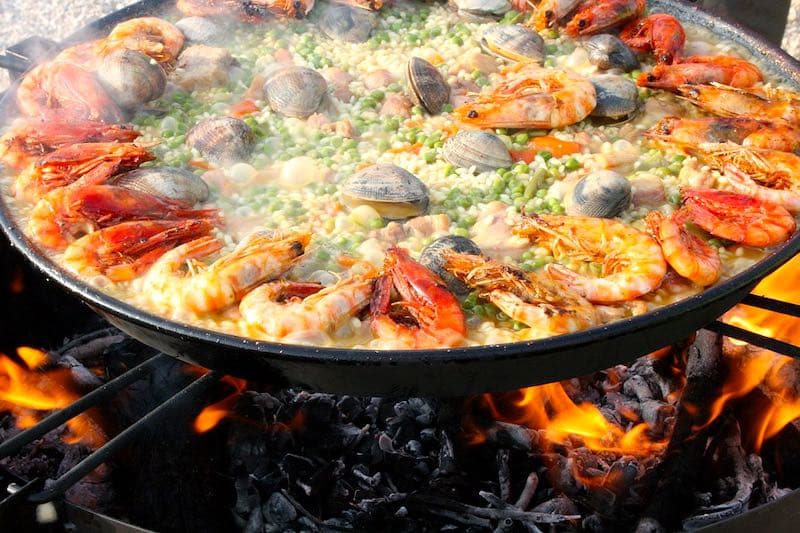
Paella is widely considered the most iconic dish in Spain and one of the most popular Spanish food experiences you simply can’t miss.
This traditional rice dish originates from Valencia and is made with rice, saffron, olive oil, and a mix of ingredients such as seafood, chicken, or vegetables. While there are many variations, seafood paella is the most well-known internationally.
Authentic Valencian paella was originally a humble farmer’s dish, but today it’s enjoyed across the country for family gatherings and celebrations. The combination of rich flavors, spices, and fresh ingredients makes it a standout in Spanish cuisine.
If you’re visiting Spain, trying paella in its birthplace, Valencia, is highly recommended for the most authentic experience. Beautiful Valencia is among the most beautiful cities in Spain and among the best destinations for foodies in Spain (think of the famous juicy Valencian oranges, besides delicious paella). On September 20, World Paella Day, in La Marina of València, international chefs prepare their paellas and compete for the best paella in the world. September is a great month for traveling in Spain. Consider visiting Valencia on September 20!
2. Gazpacho – Refreshing Cold Tomato Soup from Andalusia
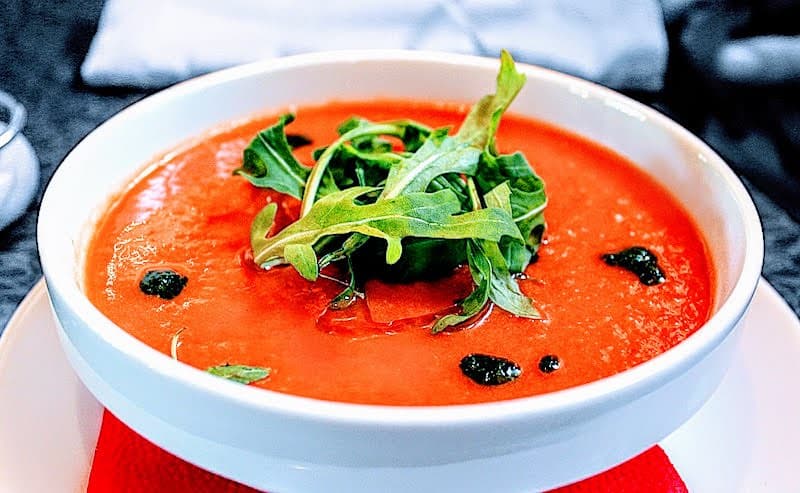
Gazpacho is a cold tomato-based soup and one of the most popular Spanish food dishes, especially during the hot summer months.
Made with ripe tomatoes, olive oil, garlic, cucumber, and peppers, this traditional dish comes from Andalusia in southern Spain. It’s known for its smooth texture and vibrant, slightly tangy flavor.
Unlike most soups, gazpacho is served cold and often enjoyed as a drink rather than eaten with a spoon. It’s a staple of Spanish cuisine and a perfect example of how simple ingredients can create bold flavors.
Gazpacho is a symbol of Andalusian identity, served during major celebrations and festivals, including the Holy Week (Semana Santa)! I enjoyed refreshing gazpacho on my Andalusia road trip and loved it. If you’re traveling in southern Spain, gazpacho is a must-try for a true taste of local food culture.
3. Salmorejo – Creamy Cold Tomato Soup from Córdoba
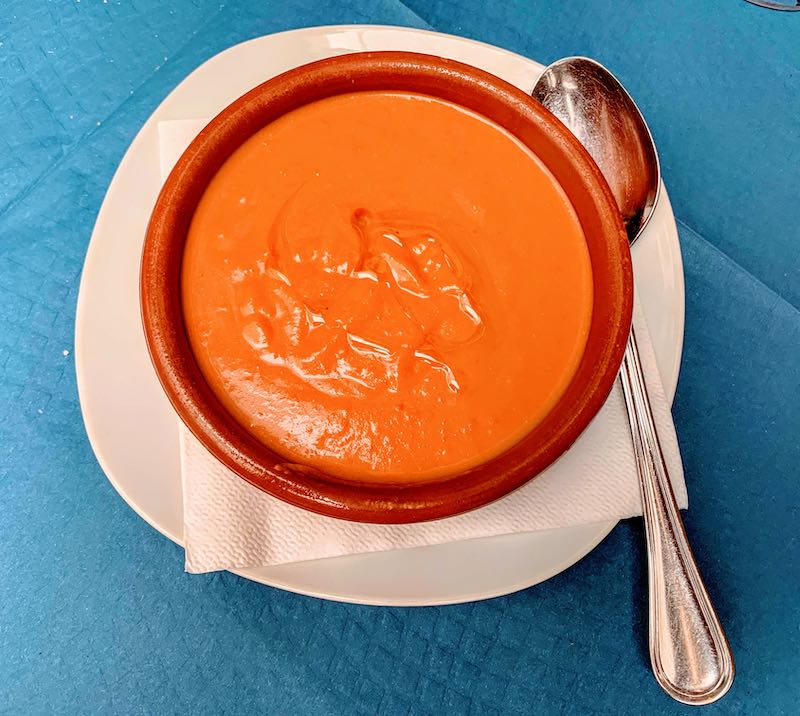
Salmorejo is a rich and creamy cold tomato soup that stands out as a must-try popular Spanish food for anyone exploring Spanish cuisine. Known for its smooth texture and intense flavor, it’s especially loved in southern Spain as a refreshing yet satisfying dish.
This traditional recipe comes from Córdoba in Andalusia and is made with simple ingredients like ripe tomatoes, bread, olive oil, garlic, and vinegar. Compared to gazpacho, salmorejo is thicker and creamier, with a more concentrated tomato taste and a velvety consistency.
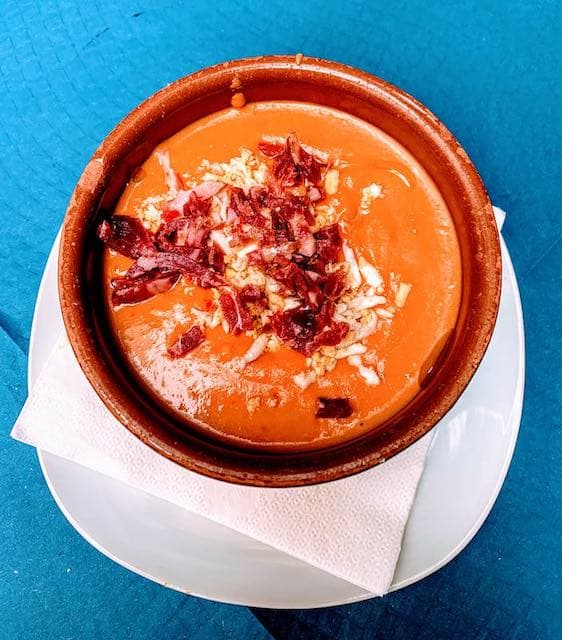
Salmorejo is deeply rooted in Andalusian food culture and is often enjoyed as a starter or light meal, particularly during warm weather. It’s typically served chilled and topped with hard-boiled eggs or cured ham, making it both comforting and flavorful. If you’re visiting Córdoba or Seville, trying authentic salmorejo in a local tapas bar is a must.
For the best experience, look for freshly made salmorejo in traditional restaurants rather than pre-packaged versions. You can also find vegetarian variations without ham, making it a great option for different diets while still enjoying this classic Spanish dish.
If you are taking a trip to Seville and want to learn how to prepare authentic Andalucian salmorejo, this Spanish cooking class might be for you.
I ate authentic salmorejo in Cordoba for the first time in my life. I loved Andalusian gazpacho, but I ended up preferring salmorejo.
4. Tortilla Española – Classic Spanish Omelette with Potatoes
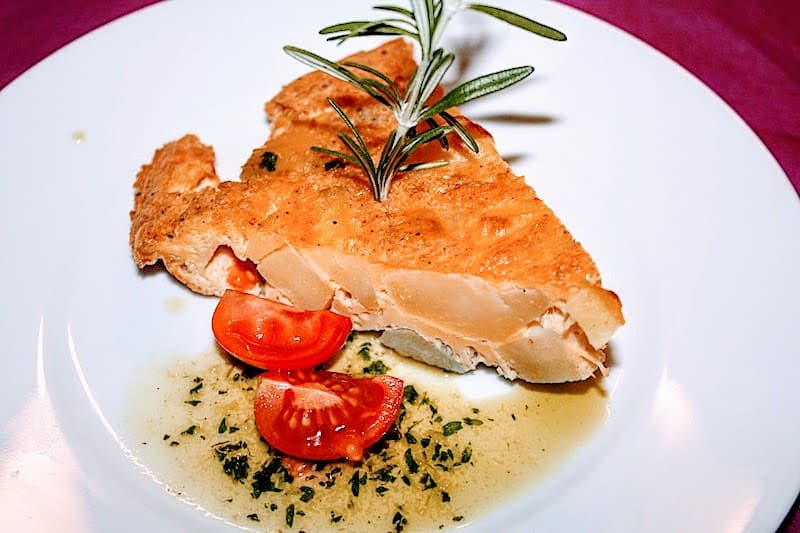
Tortilla Española, also known as Spanish omelet, is one of the most iconic and widely enjoyed popular Spanish food dishes across the country. Simple yet incredibly satisfying, it’s a staple you’ll find in nearly every bar, café, and home in Spain.
This traditional dish is made with just a few basic ingredients: eggs, potatoes, olive oil, and often onions. It is slowly cooked to create a thick, round omelet with a soft, tender center. Tortilla Española originates from Spain’s rural past, where it was created as an affordable and nourishing meal using readily available ingredients.
Deeply embedded in Spanish food culture, tortilla is incredibly versatile. It can be eaten for breakfast, served as a tapa, or enjoyed as a main meal. You’ll often see it sliced and served with bread or inside a sandwich known as a bocadillo. Whether you’re in Madrid, Barcelona, or a small village, trying tortilla in a local bar is an essential Spanish food experience.
For the best taste, look for a freshly made tortilla with a slightly runny center, which is considered the most authentic style. You’ll also find regional variations—some with onions, some without—so it’s worth trying a few to discover your favorite.
Tortilla Espanola is a classic Spanish breakfast dish. It was my typical Spanish breakfast dish while I was hiking Camino del Norte, Camino Via de la Plata, Camino Sanabres, and Camino Finisterre in Spain. Tortilla Espanola is served in bars, restaurants, and homes in Spain.
5. Rabo de Toro – Slow-Cooked Oxtail Stew from Córdoba
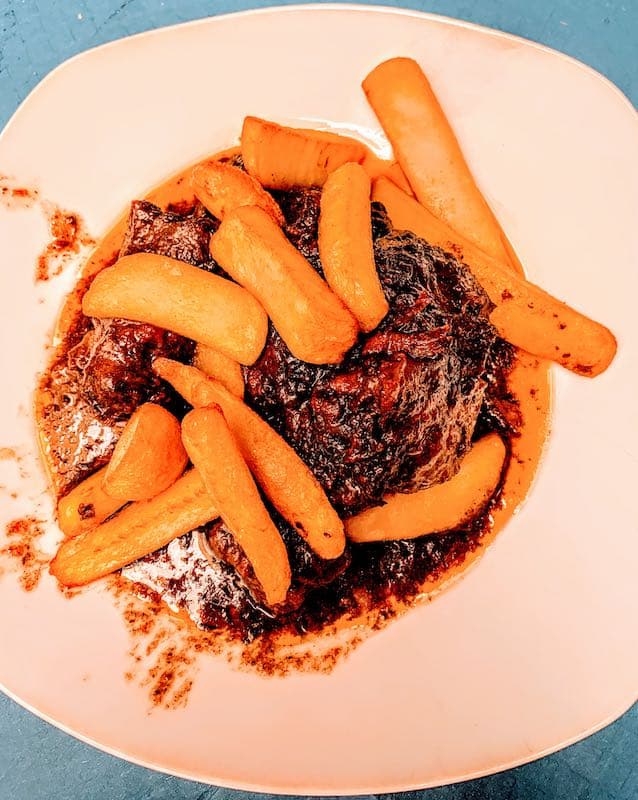
Spanish rabo de toro dish takes a special place among delicacies in Spain and top Spanish food in Spain in traditional Spanish cuisine.
Rabo de toro is a rich and hearty stew made from oxtail, and it is considered one of the most flavorful and popular Spanish food dishes in traditional cuisine. Known for its tender meat and deep, slow-cooked flavors, this dish is a true delicacy in Spain.
Originating from Córdoba in Andalusia, rabo de toro is prepared by braising oxtail with red wine, garlic, onions, and aromatic herbs like thyme and bay leaves. The long cooking process allows the meat to become incredibly soft while creating a thick, savory sauce packed with flavor.
This dish has strong cultural ties to Andalusia and was historically associated with bullfighting traditions, where it was prepared after events. Today, it is widely enjoyed in restaurants and homes across Spain, especially as a comforting main course. If you’re visiting southern Spain, ordering rabo de toro in a traditional restaurant is a fantastic way to experience authentic local cuisine.
For the best experience, pair rabo de toro with a glass of Spanish red wine, such as Rioja, and enjoy it with crusty bread to soak up the rich sauce. Some modern variations include additional vegetables or unique twists, but the classic slow-cooked version remains the favorite. I tasted rabo de toro in Córdoba. Tasting this unique dish is among the best things to do in Córdoba, Spain. Read more: the Best Things to do in Córdoba, Spain.
6. Patatas Bravas – Crispy Potatoes with Spicy Sauce
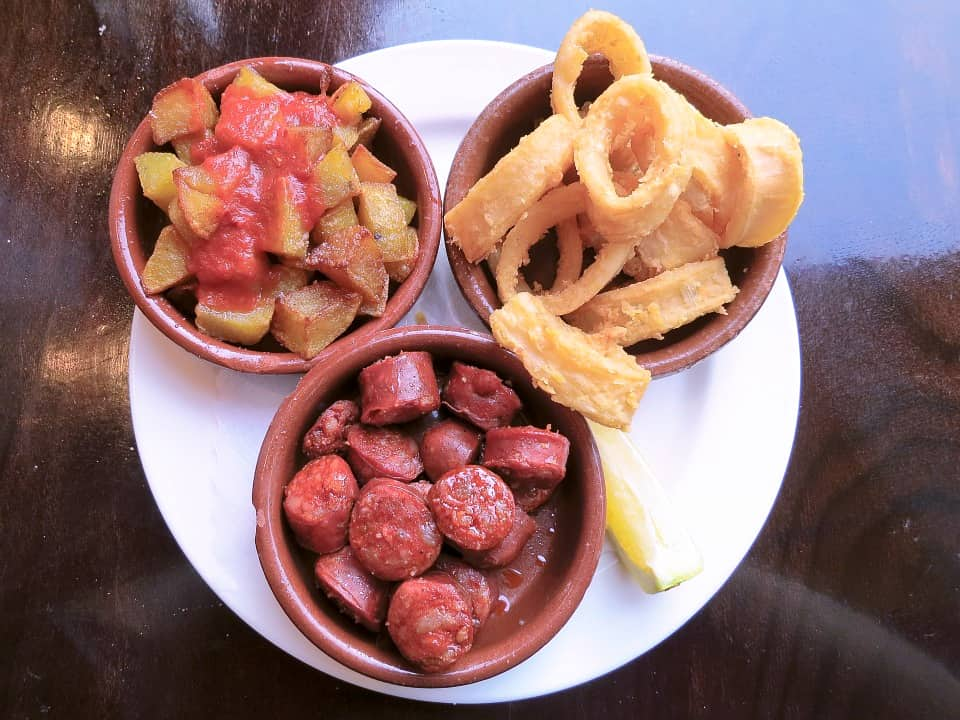
Patatas bravas are one of the most iconic tapas and a must-try Spanish food when exploring Spain’s vibrant food scene. Crispy on the outside and soft on the inside, these fried potato cubes are loved for their bold and slightly spicy flavor.
This classic dish is typically made with golden-fried potatoes served with a rich bravas sauce, often prepared from tomatoes, paprika, garlic, and olive oil. Some regions also add aioli (garlic mayonnaise) for extra creaminess. Patatas bravas are believed to have originated in Madrid, but today they are enjoyed all across Spain.
As a staple of Spanish tapas culture, patatas bravas are commonly shared among friends in bars and restaurants. They are the perfect companion to a glass of beer or wine and are often ordered as part of a larger selection of small plates. Trying them in a lively tapas bar is one of the best ways to experience Spanish social dining.
For the best version, look for places that make their sauce from scratch rather than using bottled versions. Since recipes vary by region, it’s worth trying patatas bravas in different cities to discover your favorite style.
7. Pulpo a la Gallega – Traditional Galician Octopus with Paprika
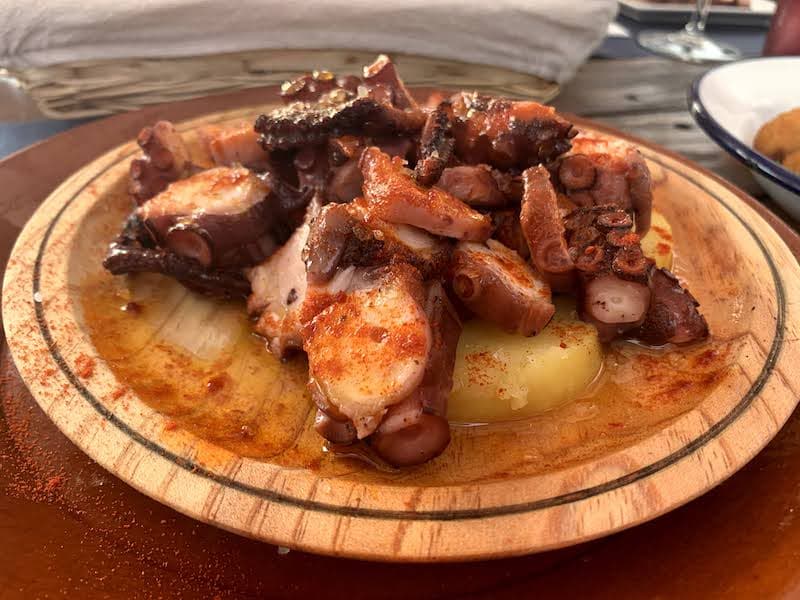
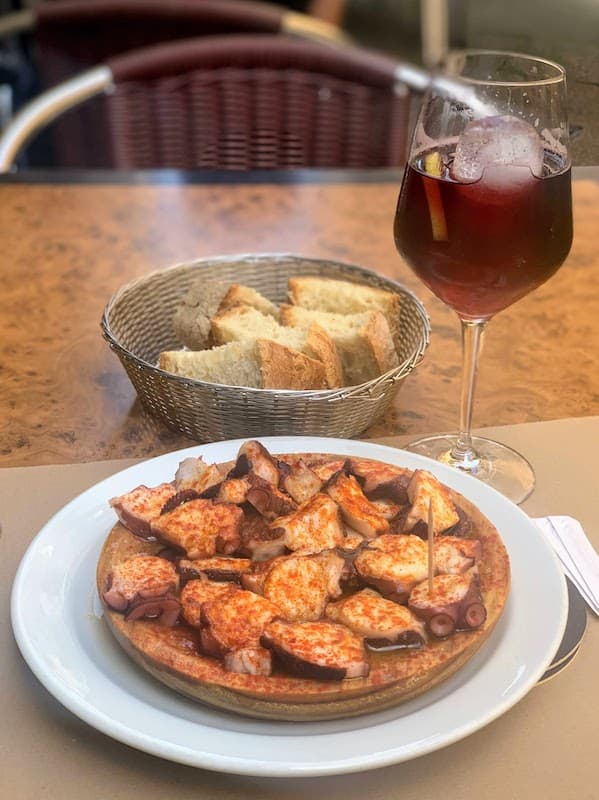
Pulpo a la Gallega, or Galician-style octopus, is one of the most iconic seafood dishes and a must-try popular Spanish food from northern Spain. Known for its tender texture and simple yet bold flavors, it’s a favorite among locals and visitors alike.
This traditional dish comes from Galicia and is made with boiled octopus sliced into pieces and seasoned with olive oil, paprika, and coarse salt. It is typically served on a wooden plate, which is part of its authentic presentation. The combination of soft octopus and smoky paprika creates a unique and memorable taste.
Pulpo a la Gallega is deeply rooted in Galician culture and is often enjoyed during festivals, fairs, and in traditional taverns called pulperías. If you’re traveling along the northern coast or visiting Santiago de Compostela, trying this dish in a local setting is an essential culinary experience.
For the best flavor, pair pulpo a la Gallega with a glass of Albariño, a crisp white wine from Galicia. Its freshness perfectly complements the richness of the dish, making it a standout moment in any Spanish food journey.
Pulpo a la Gallega was my dish to go in Galicia on my one-month-long Camino de Santiago hike. Nothing compares to the tender pulpo a la Gallega!
Are you interested in sampling traditional Spanish food in Spain?
Here is a summary of the best food and drinks tours in Spain.
BEST FOOD TOURS IN BARCELONA:
Barcelona: Paella Cooking Experience & Boqueria Market Tour (the most popular foodie tour in Barcelona)
Barcelona: Tapas and Wine Small-Group Walking Tour (a top-seller foodie tour in Barcelona)
Barcelona: Flamenco Show at Tablao Flamenco Cordobes (the most popular tour in Barcelona with optional dinner and drinks)
BEST FOOD TOURS IN MADRID:
Madrid: Wine and Tapas Walking Tour (the most popular food tour in Madrid)
Madrid: The Original Tapas Crawl (a top-seller food tour in Madrid)
Madrid Region Wineries: Guided Tour and Tastings (the most popular day trip from Madrid for wine lovers)
Check out: Best food tours in Madrid
BEST FOOD TOURS IN MALAGA:
Málaga: Evening Wine and Tapas Tour (the most popular food tour in Malaga)
Malaga: Tapas and Wine Tour with Flamenco Show (a top-seller tour in Malaga with food and drinks)
BEST FOOD TOURS IN SEVILLE:
Seville: Tapas Crawl (the most popular food tour in Seville)
Seville: Flamenco Show in Triana ( a top-seller tour in Seville with food and drinks)
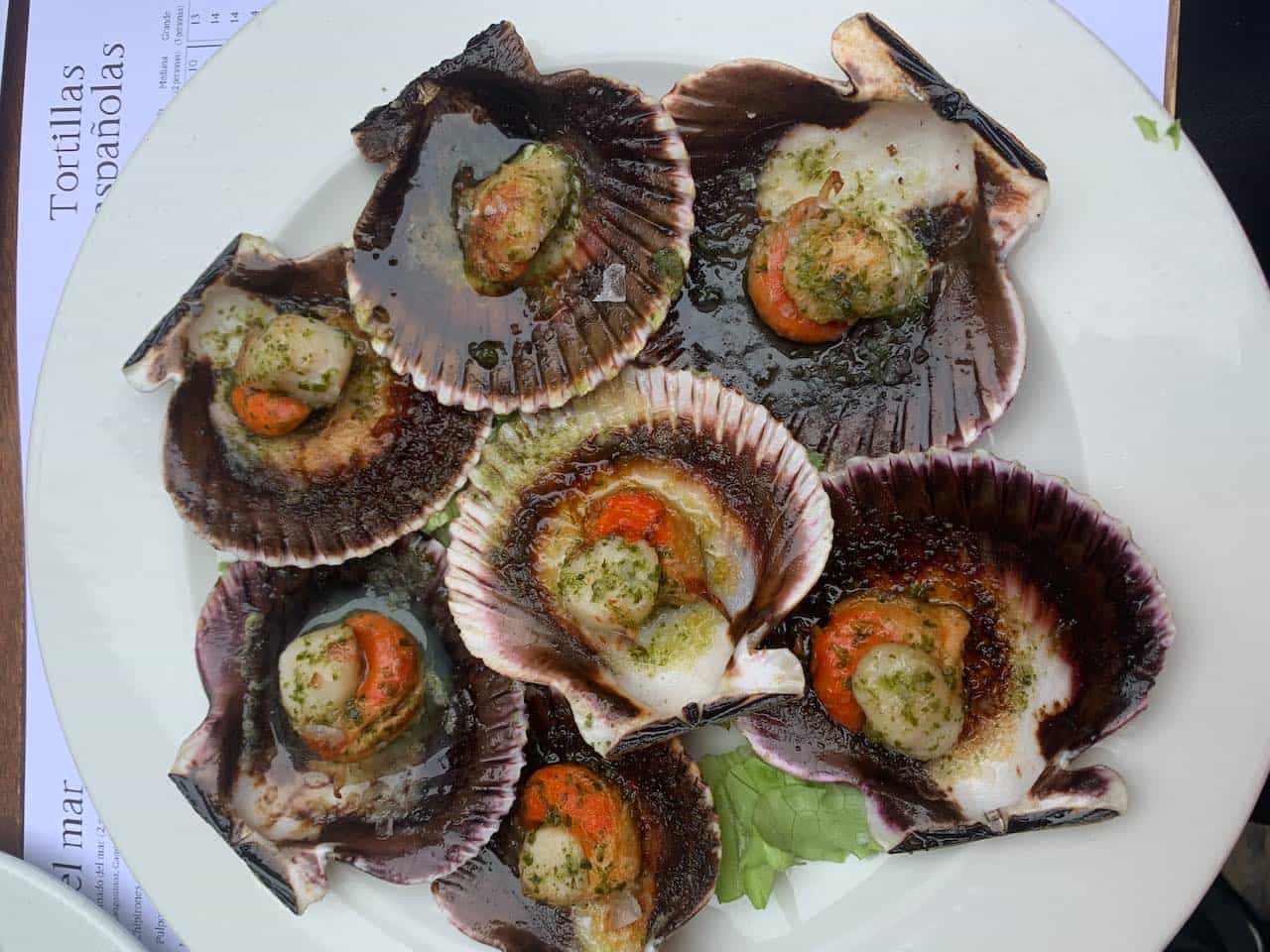
8. Zamburiñas a la Gallega – Grilled Scallops from Galicia
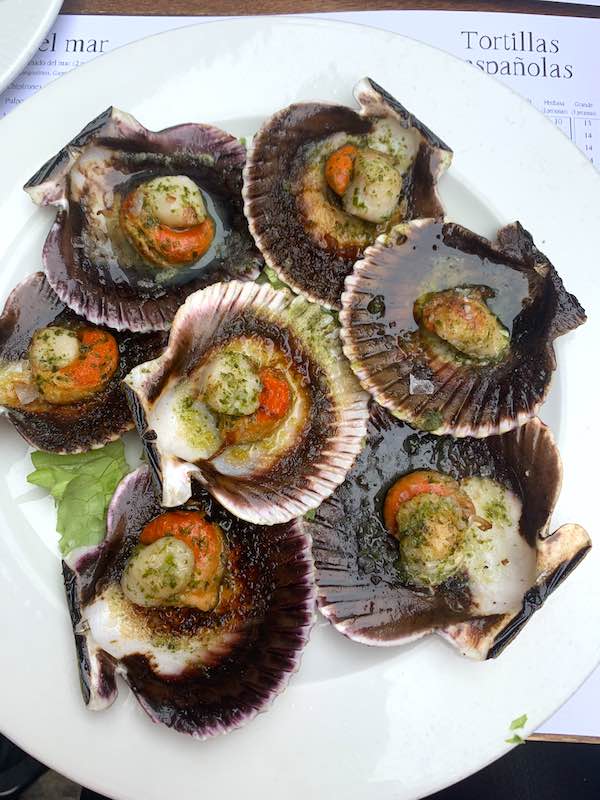
Zamburiñas a la Gallega, or Galician-style scallops, are a flavorful seafood delicacy and a standout popular Spanish food from the northern coast of Spain. These small scallops are prized for their tender texture and delicate, slightly sweet taste.
This traditional dish originates from Galicia and is typically prepared with fresh scallops cooked in olive oil, garlic, parsley, and sometimes white wine. The simplicity of the ingredients allows the natural flavor of the seafood to shine, creating a light yet satisfying dish.
Zamburiñas are an important part of the Galician culinary tradition and are commonly served as tapas in coastal towns and cities. They are especially popular along the Camino de Santiago route, where pilgrims often enjoy them as a regional specialty. Trying them in a seaside restaurant or local tavern is a great way to experience authentic Spanish seafood.
For the best experience, pair zamburiñas with a glass of chilled Albariño or other Galician white wine. Their fresh and crisp notes perfectly complement the delicate flavor of the scallops, making this dish a must-try for seafood lovers visiting Spain.
9. Arroz Negro – Squid Ink Rice with Seafood Flavor
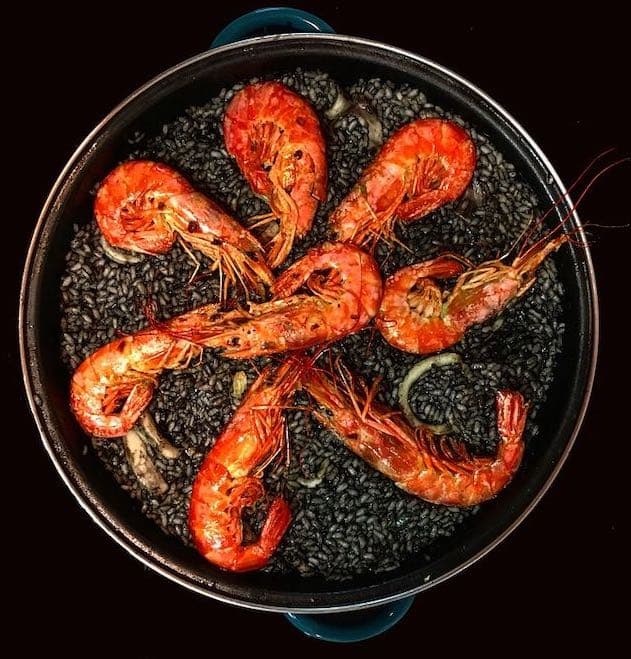
Arroz negro is a striking black rice dish and one of the most distinctive popular Spanish food specialties you’ll encounter, especially along Spain’s coastal regions. Known for its bold appearance and rich seafood flavor, it’s a favorite among lovers of traditional rice dishes.
This dish originates from the Valencian and Catalan coastal areas and is made using rice cooked with squid or cuttlefish and its ink, which gives the rice its characteristic dark color. Common ingredients also include garlic, onions, fish stock, olive oil, and sometimes seafood like shrimp or calamari. The result is a deeply flavorful dish with a slightly briny, ocean-like taste.
Arroz negro is closely tied to Spain’s Mediterranean culinary culture. Seafood rice dishes are some of the most popular Mediterranean dishes. Spanish arroz negro is often enjoyed in seaside restaurants where fresh seafood is abundant. It’s typically served with a side of aioli, which adds a creamy contrast to the savory richness of the rice. If you’re visiting coastal cities like Valencia or Barcelona, trying arroz negro is a great way to experience authentic local flavors.
For the best experience, pair this dish with a crisp white wine or cava, which balances its intense seafood notes. Its unique color and flavor make it a memorable dish that stands out among Spain’s many rice-based specialties.
10. Garbanzos con Espinacas – Chickpeas with Spinach Stew
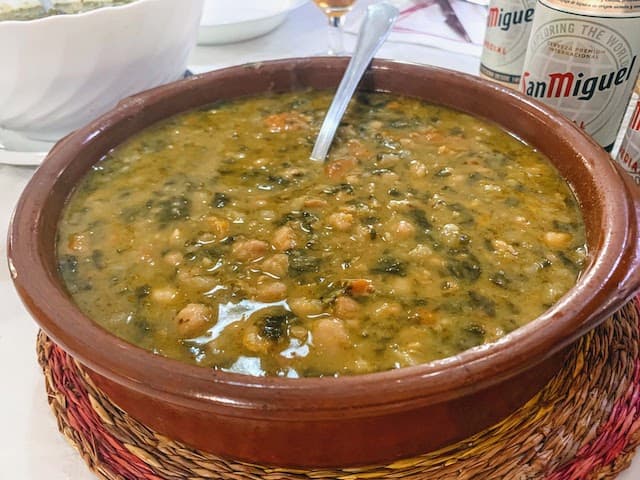
Garbanzos con espinacas is a classic chickpea and spinach stew that is widely enjoyed as a comforting and nutritious popular Spanish food across Spain, especially in Andalusia. Known for its simplicity and deep flavors, this dish is a staple of traditional home cooking.
This dish originates from Seville, southern Spain, and is made with chickpeas, fresh spinach, garlic, olive oil, paprika, and cumin. Some variations also include a tomato base or small pieces of bread to help thicken the stew. The ingredients are slowly cooked together, allowing the flavors to blend into a hearty and well-balanced dish with earthy and slightly smoky notes.
Garbanzos con espinacas has strong cultural roots in Andalusian cuisine and is often associated with everyday meals and Lenten traditions, where meat-free dishes are commonly consumed. It is frequently served in homes and traditional eateries, particularly in cities like Seville, where it remains a beloved regional specialty.
For the best experience, enjoy this dish warm with crusty bread on the side, which is perfect for soaking up the flavorful sauce. It can also be customized with a touch of chili or served alongside a hard-boiled egg for added richness, making it both versatile and satisfying.
I tried garbanzos con espinacas in Seville, and it quickly became one of my favorite vegetarian dishes in Spain. The combination of tender chickpeas, spinach, and smoky paprika was incredibly comforting, especially after a long day of exploring the city. It’s simple, but full of flavor — a perfect example of traditional Andalusian home cooking. Read my guide to the Best Things to Do in Seville!
11. Gambas al Ajillo – Garlic Shrimp in Olive Oil
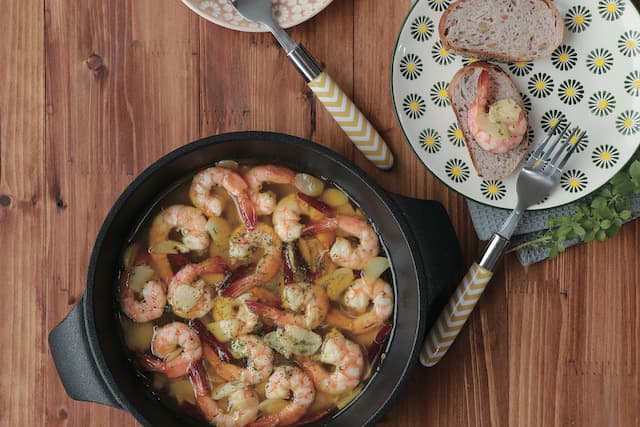
Gambas al ajillo, or garlic shrimp, is one of the most beloved tapas dishes and a flavorful, popular Spanish food enjoyed throughout Spain. Known for its simplicity and bold aroma, this dish is a favorite in tapas bars and coastal restaurants alike.
This traditional dish is prepared using fresh shrimp sautéed in olive oil with plenty of garlic and a touch of chili pepper. The ingredients are cooked quickly over high heat, allowing the garlic to infuse the oil and create a rich, fragrant sauce that coats the shrimp. It is typically served sizzling in a small clay dish, which helps retain heat and enhances the dining experience.
Gambas al ajillo is deeply rooted in Spanish tapas culture (Read my Spanish Tapas Guide) and is especially popular as a shared appetizer among friends and family. You’ll find it on menus across the country, from Madrid to seaside towns, where fresh seafood is abundant. It’s commonly enjoyed alongside bread, which is used to soak up the flavorful garlic oil.
For the best experience, pair gambas al ajillo with a glass of white wine or a cold beer. Its combination of simplicity, freshness, and strong garlic flavor makes it one of the most iconic dishes in Spanish cuisine and a must-try for seafood lovers.
12. Bacalao al Pil Pil – Basque Cod in Emulsified Garlic Sauce
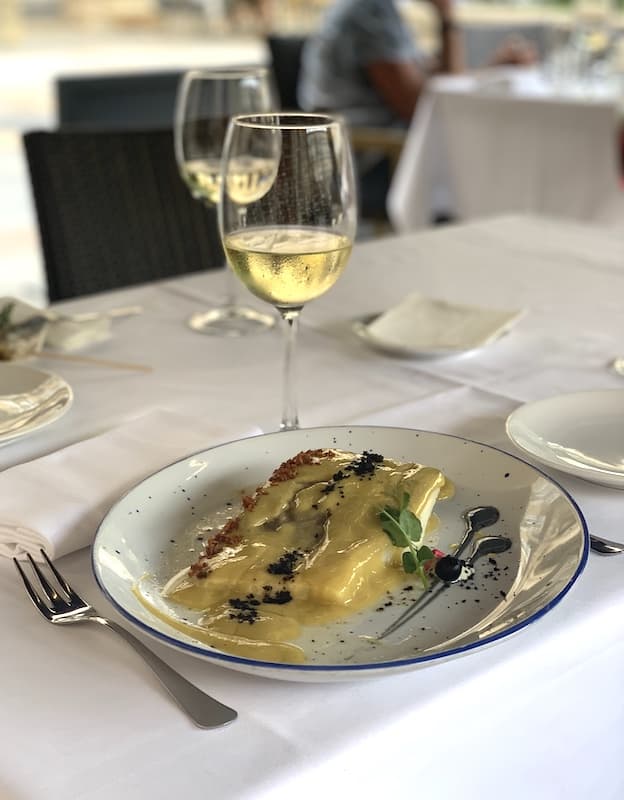
Bacalao al pil pil is a classic cod dish that is widely regarded as one of the most refined and traditional popular Spanish food specialties from northern Spain. Known for its rich, silky sauce and delicate flavor, it is a standout dish in Basque cuisine.
This dish originates from the Basque Country and is made using salted cod, olive oil, garlic, and chili peppers. The key technique involves gently cooking the cod in olive oil while continuously moving the pan to emulsify the natural gelatin from the fish with the oil, creating the signature “pil pil” sauce. The result is a smooth, slightly thick sauce that perfectly coats the tender flakes of cod.
Bacalao al pil pil is an important part of Basque culinary heritage and is commonly served in traditional restaurants known as sidrerías or txokos. It is often enjoyed during special occasions and is a favorite among locals for its depth of flavor and technical preparation. If you’re visiting cities like Bilbao or San Sebastián, trying this dish is an excellent way to experience authentic Basque cooking.
For the best experience, enjoy bacalao al pil pil with a glass of crisp white wine or local cider. Its elegant preparation and minimal ingredients highlight the quality of the cod and make it one of the most respected dishes in Spanish gastronomy.
I had bacalao al pil pil in Bilbao, and the texture completely surprised me. The cod was silky and delicate, and the famous garlic-olive oil emulsion sauce was rich without being heavy. If you're exploring Basque cuisine, this dish is a must — I’ve also written a full guide to Basque food where you can learn more.
13. Conchilo Asado – Roasted Suckling Pig
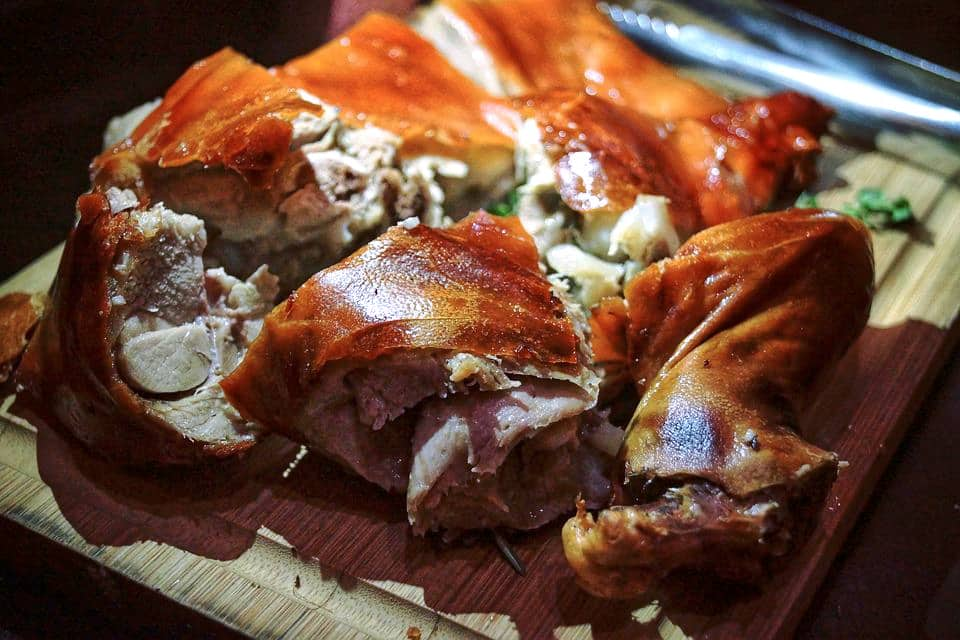
Cochinillo asado, or roast suckling pig, is one of the most iconic and celebrated popular Spanish food dishes, especially in central Spain. Known for its crispy skin and tender, melt-in-the-mouth meat, it is a centerpiece of traditional Spanish cuisine.
This dish originates from the region of Castile and León, particularly Segovia, where it is prepared by slow-roasting a young suckling pig in a wood-fired oven. The preparation is simple, typically using only the pig, salt, water, and sometimes lard or its own fat. The slow roasting process allows the skin to become perfectly crisp while the meat remains juicy and incredibly tender.
Cochinillo asado holds strong cultural significance and is often served during special occasions, family gatherings, and celebrations. In Segovia, it is famously carved using a plate instead of a knife to demonstrate how tender the meat is. Traditional restaurants specializing in this dish, known as mesones, are popular destinations for both locals and visitors.
For the best experience, enjoy cochinillo asado with a glass of robust red wine, such as Ribera del Duero. Its rich flavor and unique preparation make it one of the most memorable dishes in Spanish gastronomy and a must-try when visiting the region.
14. Pisto – Spanish Vegetable Ratatouille with Tomato and Peppers
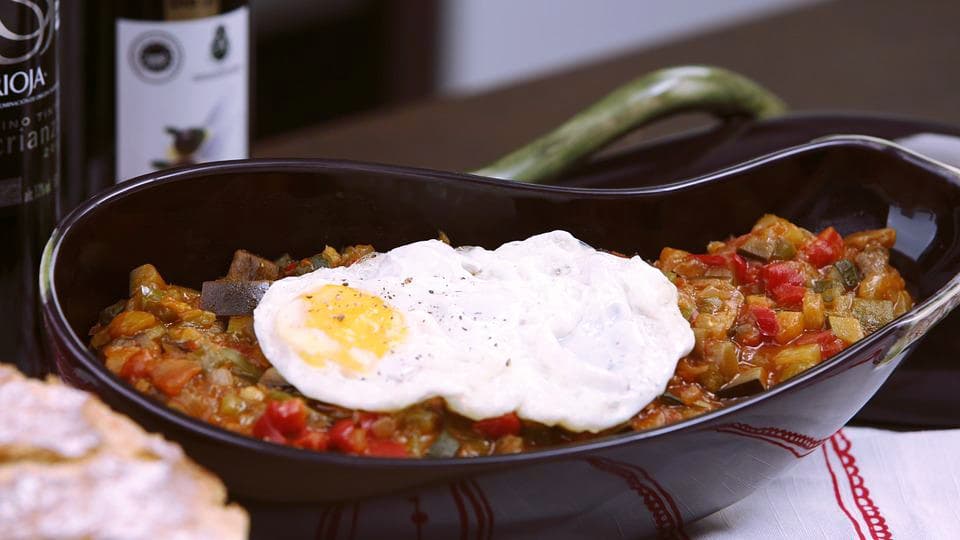
Pisto is a traditional Spanish vegetable dish often compared to ratatouille and is considered a wholesome and flavorful popular Spanish food enjoyed throughout the country. Known for its simplicity and freshness, it highlights the natural taste of seasonal vegetables.
This dish originates from various regions in Spain, with strong ties to La Mancha. It is made by slowly cooking ingredients such as tomatoes, zucchini, eggplant, bell peppers, onions, and garlic in olive oil. The vegetables are sautéed until soft and well combined, creating a rich and slightly sweet medley of flavors.
Pisto is an important part of everyday Spanish home cooking and is commonly served as a side dish, tapa, or even a main course when topped with a fried egg or paired with bread. Its versatility and use of fresh, local produce make it a staple in both rural and urban kitchens.
For the best experience, enjoy pisto warm with a drizzle of olive oil and a fried egg on top, often referred to as pisto con huevo. This simple addition turns it into a satisfying meal while still keeping it light and nutritious.
I enjoyed pisto in Granada, and it felt like Spain’s answer to ratatouille — but even better with a fried egg on top. Eating it while visiting the Alhambra made the experience even more memorable. It’s a simple dish, but incredibly satisfying.
15. Gambas a la Plancha – Grilled Shrimp with Olive Oil and Salt
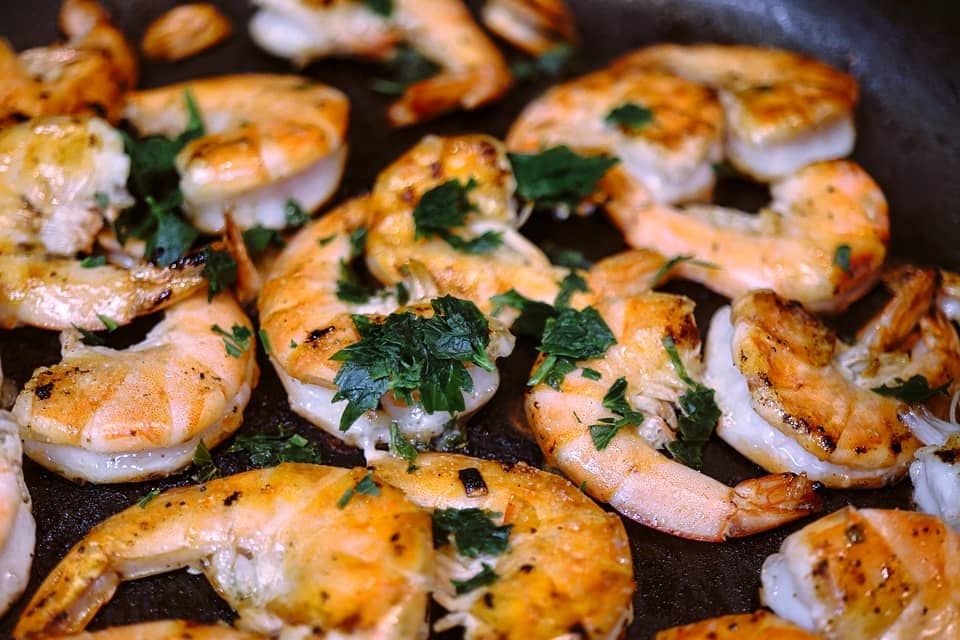
Gambas a la plancha is a classic grilled shrimp dish and a staple of popular Spanish food found throughout Spain’s coastal regions. Known for its simplicity and emphasis on fresh ingredients, it is a favorite in seafood restaurants and beachside chiringuitos.
This dish is prepared by cooking fresh shrimp on a hot flat grill (plancha) with just a touch of coarse salt and sometimes a drizzle of olive oil. The high heat gives the shrimp a lightly charred exterior while keeping the inside juicy and tender. Unlike more complex seafood dishes, gambas a la plancha focuses on enhancing the natural sweetness and flavor of the shrimp.
Gambas a la plancha is deeply rooted in Spanish coastal dining culture and is commonly enjoyed as a tapa or shared appetizer. It is especially popular in regions like Andalusia and Catalonia, where fresh seafood is abundant. You’ll often see it served simply with lemon wedges and accompanied by bread to complete the meal.
For the best experience, enjoy gambas a la plancha straight off the grill while hot, paired with a cold beer or a crisp white wine. Its straightforward preparation and fresh taste make it a perfect example of how Spanish cuisine celebrates high-quality ingredients with minimal intervention.
16. Gambas a la Plancha – Grilled Shrimp with Olive Oil and Salt
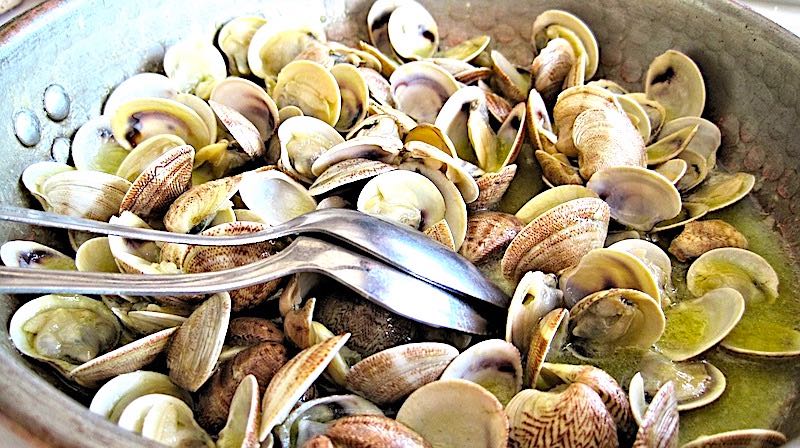
Almejas a la gaditana is a traditional clam dish from southern Spain and a delicious example of popular Spanish food rooted in Andalusian coastal cuisine. Known for its light yet savory flavor, it highlights the freshness of the sea combined with simple Mediterranean ingredients.
This dish originates from Cádiz in Andalusia and is made with fresh clams cooked in a sauce of olive oil, garlic, onion, white wine, and parsley. The clams are gently steamed until they open, allowing their natural juices to blend with the aromatic sauce, creating a light broth that is both fragrant and flavorful.
Almejas a la gaditana is closely tied to the coastal culinary traditions of southern Spain and is commonly served in seafood restaurants and tapas bars along the coast. It is often enjoyed as a starter or shared dish, especially in regions where fresh shellfish is a staple of the local diet. If you’re visiting Cádiz or nearby coastal towns in southern Spain, trying this dish is a great way to experience authentic Andalusian seafood cuisine.
17. Gambas a la Plancha – Grilled Shrimp with Olive Oil and Salt
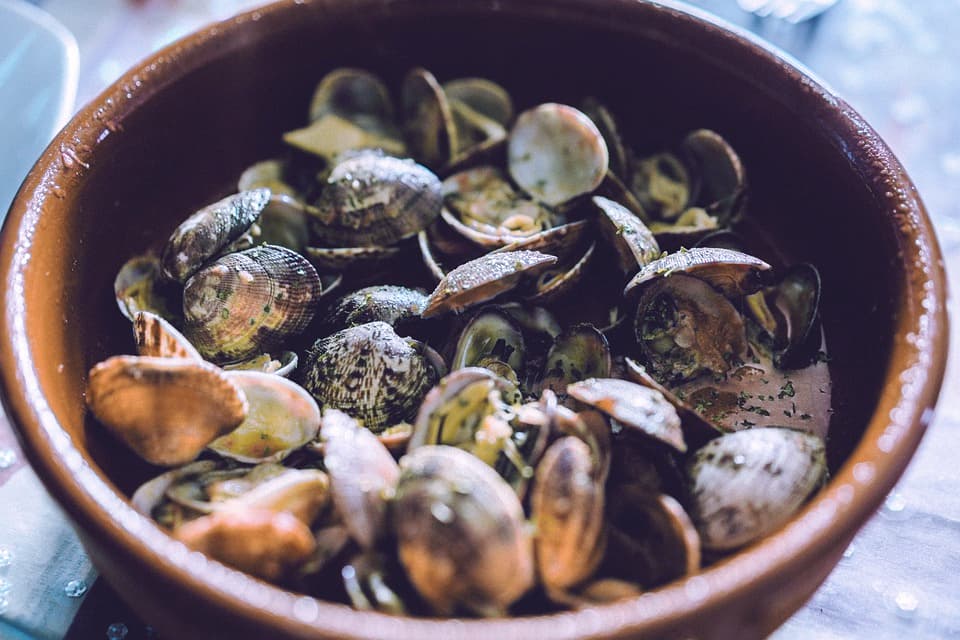
Almejas en salsa verde is a traditional clam dish and a well-loved popular Spanish food commonly found in northern coastal regions of Spain, particularly in the Basque Country and Cantabria. Known for its light, herbaceous sauce, it showcases the freshness of the seafood with simple, clean flavors.
This dish is made using fresh clams cooked in a green sauce (salsa verde) prepared with olive oil, garlic, parsley, white wine, and sometimes a touch of flour to slightly thicken the sauce. The clams are gently steamed until they open, releasing their natural juices, which blend with the sauce to create a delicate and flavorful broth.
Almejas en salsa verde is an important part of northern Spanish cuisine and is frequently served in seafood restaurants and traditional taverns along the coast. It is typically enjoyed as a tapa or starter and is especially popular in cities like San Sebastián and Bilbao, where seafood plays a central role in local gastronomy.
For the best experience, serve this dish hot with fresh crusty bread to soak up the light sauce, and pair it with a crisp white wine or txakoli, a local Basque wine. Its balance of simplicity and freshness makes it a standout example of Spain’s seafood tradition.
18. Bacalao Ajoarriero – Cod with Peppers, Garlic, and Tomato
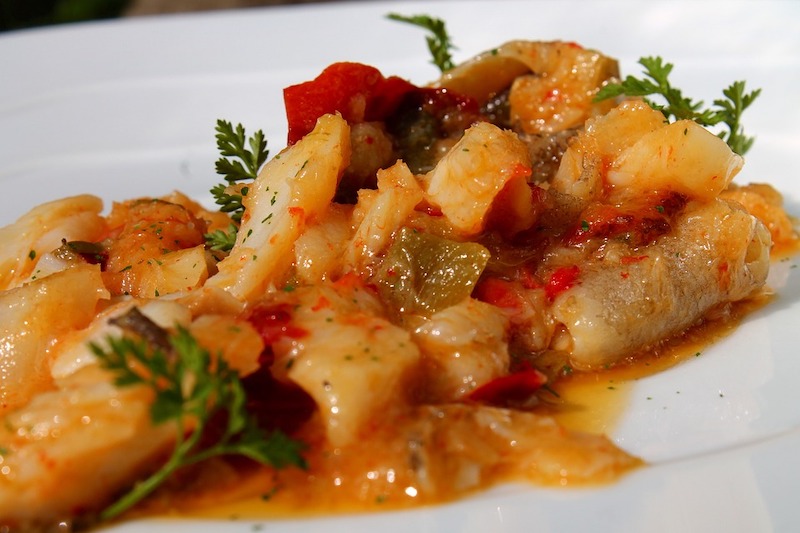
Bacalao ajoarriero is a hearty and flavorful cod dish that is widely recognized as a traditional popular Spanish food from northern and central regions of Spain. Known for its rustic character and rich taste, it is a staple in many regional cuisines, especially in Navarre and Aragón.
This dish is made using salted cod that is desalted and then cooked with ingredients such as garlic, onions, tomatoes, red peppers, and olive oil. The mixture is sautéed and combined to create a thick, savory sauce that coats the flaky cod. Some variations may include eggs or potatoes, depending on the region, adding extra texture and richness to the dish.
Bacalao ajoarriero has deep roots in Spanish culinary tradition and was historically prepared by muleteers (arrieros), which is reflected in its name. It remains popular today in homes and traditional restaurants, particularly in northern Spain, where cod dishes are an essential part of the local food culture.
For the best experience, enjoy bacalao ajoarriero hot, often served with crusty bread to complement the sauce. It pairs well with a glass of white wine, which helps balance the bold, savory flavors of the dish and enhances its overall richness.
Bacalao de Pamplona was the favorite Spanish dish of Ernest Hemingway while he lived in Pamplona. If you like codfish and want to try one of the most famous Spanish dishes in Spain, try Bacalao de Pamplona in Pamplona. Crispy Albariño wine is its classic companion
19. Boquerones Fritos – Lightly Fried Anchovies
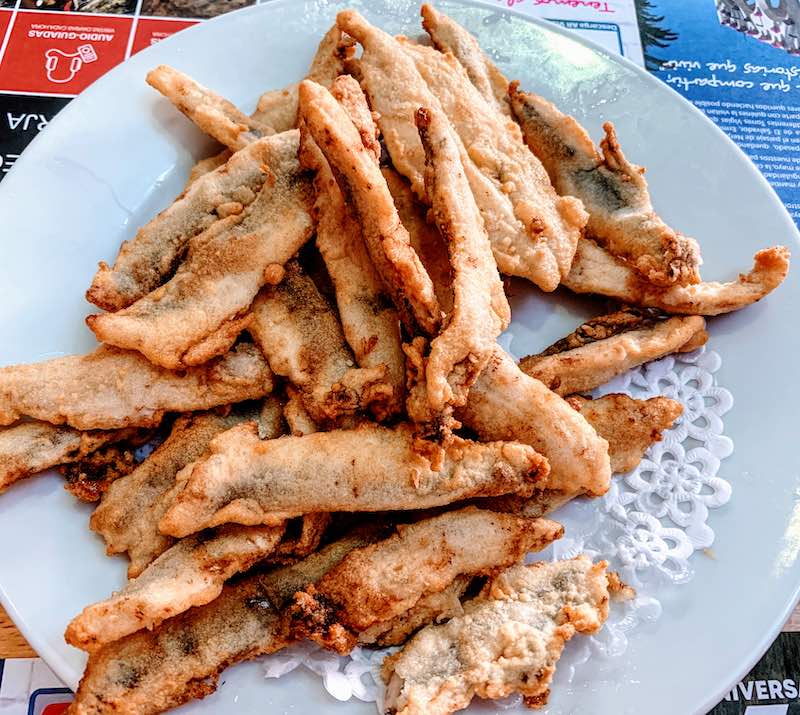
Boquerones fritos are a simple yet delicious fried anchovy dish and a well-known popular Spanish food commonly enjoyed in coastal regions of Spain, especially in Andalusia. Loved for their crispy texture and fresh flavor, they are a staple in tapas bars and seaside restaurants.
This dish is made using fresh anchovies that are lightly coated in flour and deep-fried in hot olive oil until golden and crispy. The result is a light, crunchy exterior with a tender, flavorful interior. Boquerones fritos are typically served hot, often with a squeeze of lemon to enhance their natural taste.
Boquerones fritos are deeply rooted in southern Spanish culinary traditions and are especially popular in cities like Málaga, where fried fish (pescaíto frito) is a signature part of local cuisine. They are commonly enjoyed as a tapa, shared among friends and family, and paired with other small dishes in a relaxed dining setting.
For the best experience, enjoy boquerones fritos immediately after frying while they are still hot and crispy. Pair them with a cold beer or a glass of white wine, like sparkling Cava wine, for a classic Spanish tapas experience that highlights the freshness of the seafood.
I tasted boquerones fritos in Malaga, right by the sea, and they were unbelievably fresh. Lightly fried and crispy, they paired perfectly with a cold drink. Malaga is one of the best places to try them — I’ve shared more in my travel guide to Malaga.
20. Croquetas – Creamy Fried Croquettes with Various Fillings
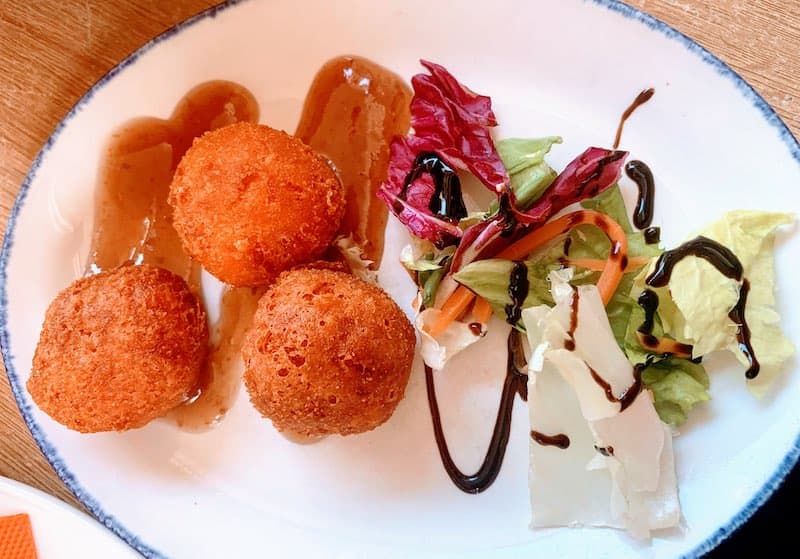
Croquetas are one of the most popular and widely enjoyed Spanish tapas, loved across Spain for their creamy interior and crispy golden coating. These bite-sized snacks are a staple in bars, restaurants, and home kitchens alike.
This traditional dish is made from a thick béchamel sauce combined with ingredients such as ham (jamón), chicken, cod, cheese, or mushrooms. The mixture is shaped into small cylinders or balls, coated in breadcrumbs, and then deep-fried until perfectly crisp on the outside while remaining soft and creamy inside.
Croquetas have strong roots in Spanish home cooking and are commonly served as tapas or appetizers. You’ll find them in nearly every tapas bar, often displayed on menus with a variety of fillings. They are especially popular for sharing and are a favorite among both locals and visitors due to their comforting texture and rich flavor.
For the best experience, croquetas are best enjoyed hot and freshly fried, when the contrast between the crunchy exterior and smooth filling is at its peak. Pair them with a cold beer or a glass of wine, and try different fillings to discover your favorite variation of this classic Spanish dish.
21. Pan con Tomate – Toasted Bread with Tomato and Olive Oil
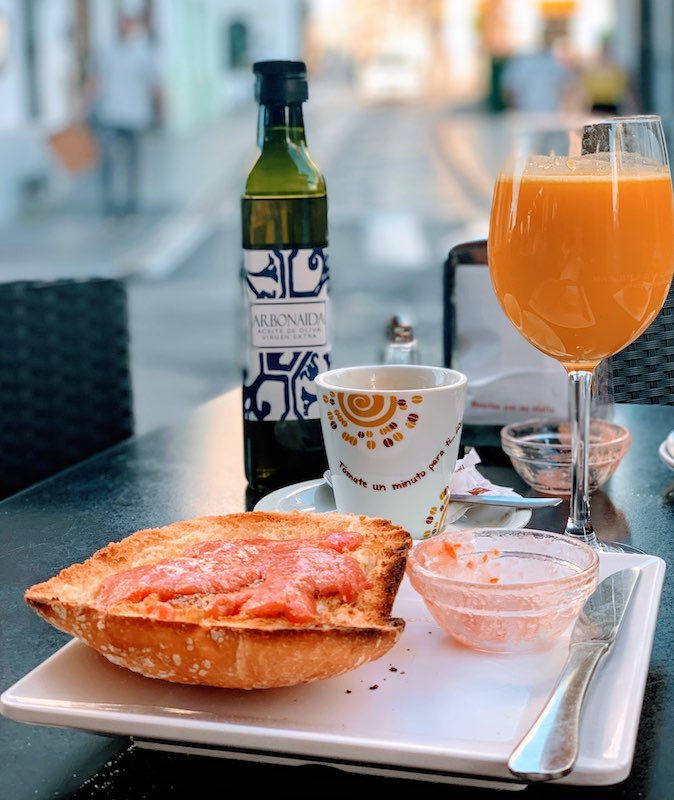
Pan con tomate, also known as pa amb tomàquet, is a simple yet iconic dish and a staple Spanish food, especially loved in Catalonia and eastern Spain. Known for its freshness and minimal ingredients, it perfectly represents the essence of Mediterranean cuisine.
This traditional dish is made by rubbing ripe tomatoes directly onto toasted bread, then drizzling it with high-quality olive oil and sprinkling a bit of salt. Some variations include rubbing garlic onto the bread before adding the tomato for an extra layer of flavor. The result is a light, fresh, and flavorful dish that highlights the quality of its ingredients.
Pan con tomate has deep cultural roots in Catalan cuisine and is commonly served as a breakfast item, a side dish, or as part of a tapas spread. It is a daily staple in many households and restaurants, often accompanying cured meats, cheeses, or other small plates. If you’re visiting Barcelona or other parts of Catalonia, you’ll find it served almost everywhere.
For the best experience, use ripe, juicy tomatoes and good-quality rustic bread that has been lightly toasted. Drizzle generously with extra virgin olive oil to enhance the flavor. Its simplicity, versatility, and freshness make pan con tomate one of the most authentic and beloved dishes in Spanish cuisine.
Pan con tomate with café cortado and freshly squeezed orange juice was my favorite Spanish breakfast while hiking the Camino de Santiago across Spain.
Traditional Spanish Snacks and Tapas in Spain
“We share everything, and talk loudly; we eat a lot of bread, and drink wine; we have dessert, and then we go”, says the famous Spanish chef Fátima Soriano.
Tapas are an essential part of Spanish food culture, designed for sharing and social dining. This food category includes small plates and snacks that highlight variety, flavor, and regional diversity across Spain.
22. Bocadillos – Classic Spanish Sandwiches with Crusty Bread
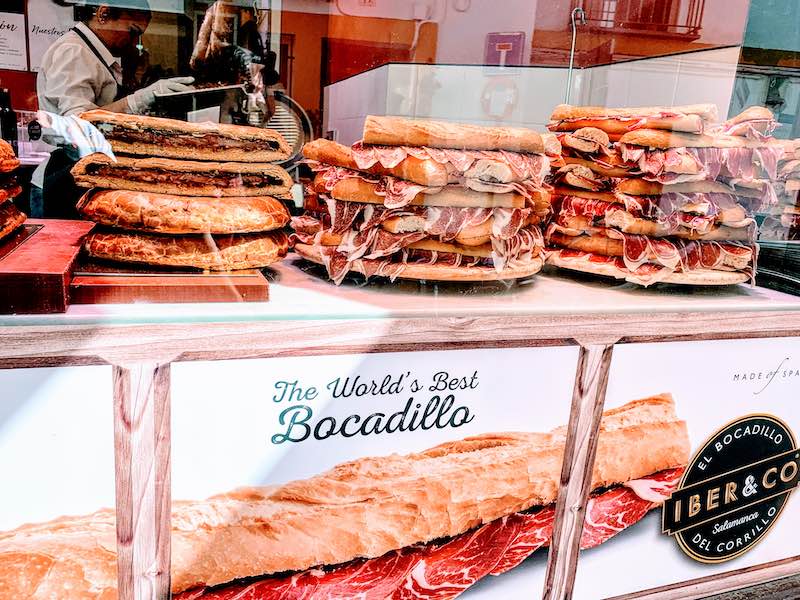
Bocadillos are traditional Spanish sandwiches and a food found throughout the country. Known for their simplicity, versatility, and convenience, they are a staple of everyday eating in Spain.
This dish consists of a crusty bread roll (similar to a baguette) filled with a variety of ingredients such as cured meats like jamón, cheese, tortilla española, chorizo, or even fried calamari (bocadillo de calamares). The bread is typically sliced lengthwise and filled with fresh, high-quality ingredients, often with minimal additional sauces to let the flavors stand out.
Bocadillos are deeply embedded in Spanish food culture and are commonly eaten for breakfast, lunch, or as a quick snack. You’ll find them in bakeries, cafés, bars, and street food spots across Spain. They are especially popular among students, workers, and travelers looking for a filling and affordable meal on the go.
For the best experience, choose freshly baked bread with a crisp crust and soft interior, paired with simple, high-quality fillings. Bocadillos are highly customizable, making them a versatile option that reflects regional ingredients and personal preferences throughout Spain.
23. Montaditos – Mini Open-Faced Tapas with Diverse Toppings
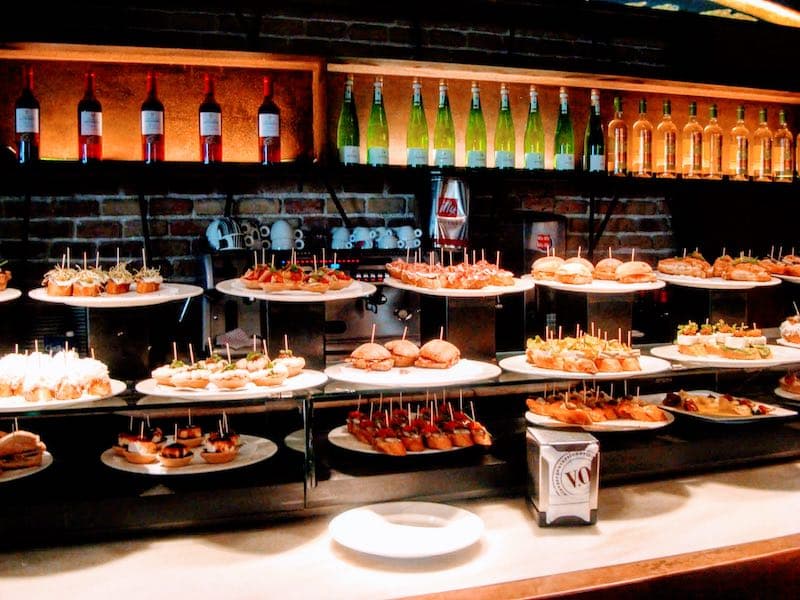
Montaditos are small open-faced sandwiches and a favorite Spanish food commonly enjoyed as tapas across Spain. Known for their variety and bite-sized portions, they are perfect for sharing and sampling multiple flavors in one sitting.
This traditional dish is made using small slices of bread topped with a wide range of ingredients such as cured meats, cheese, seafood, tortilla, vegetables, or spreads like aioli or tomato. Unlike bocadillos, montaditos are usually smaller and often served open-faced, making them ideal for trying different combinations in one meal.
Montaditos are deeply rooted in Spanish tapas culture and are especially popular in bars and casual eateries, where they are often displayed in large selections for customers to choose from. In many places, they are served alongside drinks, making them a social and flexible dining option. Cities like Madrid and Seville are particularly known for their vibrant montadito scenes.
For the best experience, order a variety of montaditos to share with friends, allowing you to sample different toppings and regional flavors. Pair them with beer, wine, or vermouth for a classic Spanish tapas experience that highlights the diversity and creativity of Spanish cuisine.
I had montaditos in Barcelona, and they quickly became my go-to snack. These small sandwiches are perfect when you want to try different flavors without committing to a full meal. They’re cheap, tasty, and ideal for casual eating while exploring the city.
24. Pintxos – Basque-Style Bite-Sized Skewered Tapas
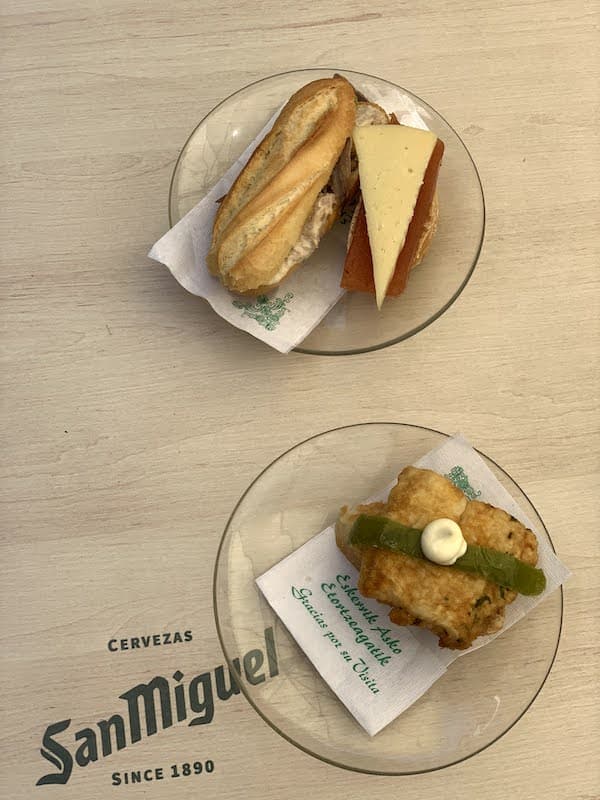
Pintxos (often spelled pinchos) are small, flavorful bites and a standout traditional food from the Basque Country in northern Spain. Known for their creativity and presentation, pintxos are a central part of Basque tapas culture and social dining.
These bite-sized portions are typically served on slices of bread and held together with a toothpick or skewer (pintxo means “spike” in Basque). They can include a wide variety of toppings such as seafood, cured meats, cheeses, vegetables, eggs, or gourmet combinations prepared with sauces and garnishes. Unlike simple tapas, pintxos are often more elaborate and visually appealing.
Pintxos are deeply embedded in Basque culinary traditions and are commonly enjoyed in lively bar-hopping experiences known as pintxos txikiteo, where people move from one bar to another, sampling different specialties. Cities like San Sebastián and Bilbao are especially famous for their high-quality pintxos bars, many of which are renowned for their innovation and presentation. I experienced pintxos across the Basque Country while hiking the Camino del Norte. After a long day of walking, stopping at a bar and choosing from a counter full of small, beautifully presented bites was incredibly rewarding. It’s one of the most fun and social food experiences in Spain.
For the best experience, visit multiple pintxos bars in one evening and try a variety of options alongside a glass of local wine or txakoli. Pintxos offer a unique way to experience Basque gastronomy, combining social culture, creativity, and bold flavors in every bite.
The late Anthony Bourdain raved in his ‘Parts Unknown’ about wild mushrooms with egg yolk pintxos in Ganbara restaurant/bar in San Sebastian. Btw, do you know that San Sebastian is the food capital of Spain? San Sebastian is the top destination in Spain for foodies!
25. Membrillo con Queso – Quince Paste with Cheese Pairing
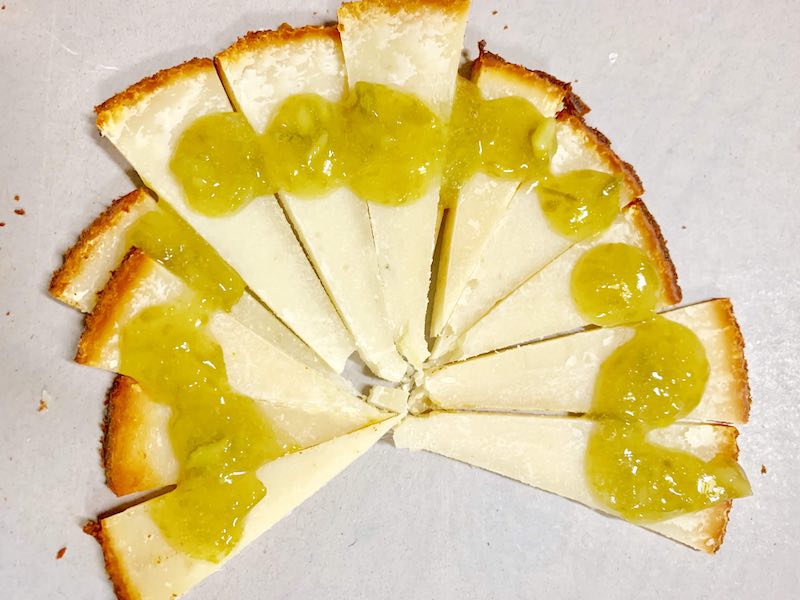
Membrillo con queso is a classic Spanish pairing that is widely enjoyed as a popular Spanish dessert or snack across the country. Known for its perfect balance of sweet and savory flavors, it is a simple yet elegant combination that highlights traditional Spanish ingredients.
This dish consists of membrillo (quince paste), a sweet, dense fruit preserve made from cooked quince fruit and sugar, served alongside slices of cheese, most commonly queso manchego. The mild saltiness and creaminess of the cheese contrast beautifully with the firm, slightly floral sweetness of the quince paste.
Membrillo con queso has deep roots in Spanish culinary tradition and is commonly served as a dessert, appetizer, or part of a tapas spread. It is especially popular in homes and restaurants throughout Spain, where it is appreciated for its simplicity and use of high-quality local products. You’ll often find it on menus as a traditional pairing that requires little preparation but delivers rich flavor.
For the best experience, enjoy membrillo with aged manchego cheese and a slice of crusty bread. It pairs wonderfully with a glass of red wine or sherry, making it a refined yet accessible way to experience authentic Spanish flavors.
I tried membrillo con queso in Cadiz, and I loved the contrast between the sweet quince paste and the salty cheese. It’s a simple combination, but surprisingly addictive. I discovered it while exploring Andalusia — a region full of amazing flavors.
26. Pimientos de Padrón – Fried Green Peppers with Sea Salt
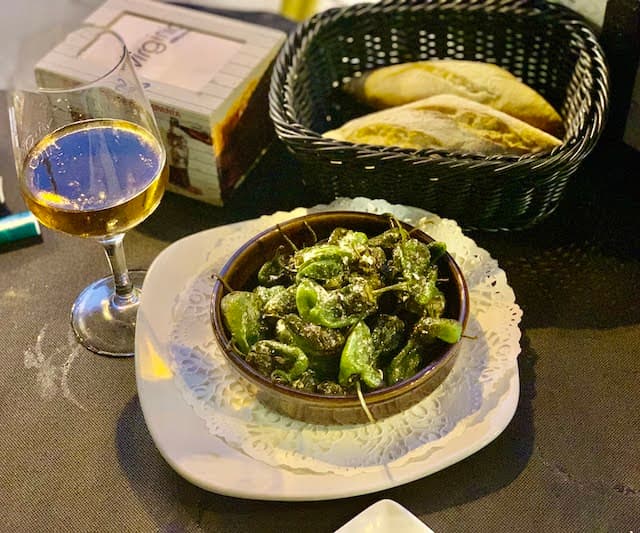
Pimientos de Padrón are a simple yet iconic tapas dish and a well-known Spanish dish from the Galicia region in northwestern Spain. Famous for their unique flavor and the element of surprise, they are a favorite in tapas bars across the country.
This dish is made by frying small green Padrón peppers in olive oil until their skin blisters, then sprinkling them with coarse sea salt. The peppers are typically served hot and eaten whole, with most being mild in flavor—though occasionally, one may be unexpectedly spicy, which adds to the fun of eating them.
Pimientos de Padrón are deeply rooted in Galician cuisine and are often enjoyed as a shared appetizer in social dining settings. They are especially popular in northern Spain, where fresh local produce plays a central role in traditional cooking. You’ll commonly find them served in tapas bars alongside other small plates.
For the best experience, enjoy pimientos de Padrón fresh out of the pan while they’re still warm and slightly crispy. Pair them with a cold beer or a glass of white wine, and savor the contrast between the mild peppers and the occasional spicy one that makes this dish uniquely entertaining.
I ate pimientos de Padrón in Galicia while hiking different routes of the Camino de Santiago. The fun part is that some peppers are mild and others are unexpectedly spicy — you never know what you’ll get!
27. Mejillones Rellenos – Stuffed Mussels with Savory Filling
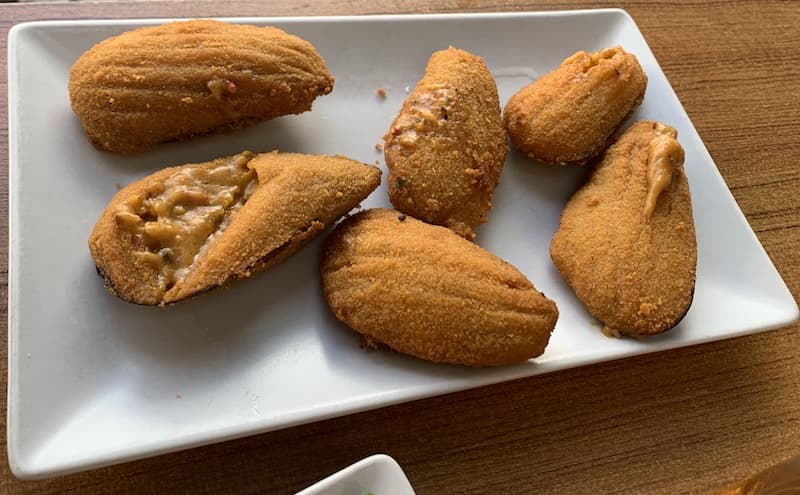
Mejillones rellenos are stuffed mussels and a flavorful Spanish food commonly enjoyed as a tapa in coastal regions of Spain. Known for their rich filling and satisfying taste, they are a popular choice in seafood restaurants and traditional tapas bars.
This dish is made by preparing fresh mussels that are opened and cleaned, then filled with a mixture typically made from the mussel meat, breadcrumbs, onions, garlic, parsley, and sometimes tomato or spices. The stuffed mussels are then coated in breadcrumbs and either baked or lightly fried, creating a crispy exterior with a savory, tender filling inside.
Mejillones rellenos are especially popular in northern and coastal areas of Spain, where seafood is a key part of the local diet. They are commonly served as part of a tapas selection and are often enjoyed in social settings where small plates are shared among friends and family.
For the best experience, enjoy mejillones rellenos hot and freshly prepared, paired with a squeeze of lemon to enhance their flavor. They go well with a glass of white wine or beer, making them a delicious and traditional addition to any Spanish tapas spread.
I had mejillones rellenos in San Sebastián, and they were some of the best seafood tapas I tried in Spain. Creamy on the inside and crispy on the outside, they’re a must-try if you love seafood. I’ve covered more in my guide to the best seafood in Spain.
28. Empanadas – Baked Pastries Filled with Meat or Seafood
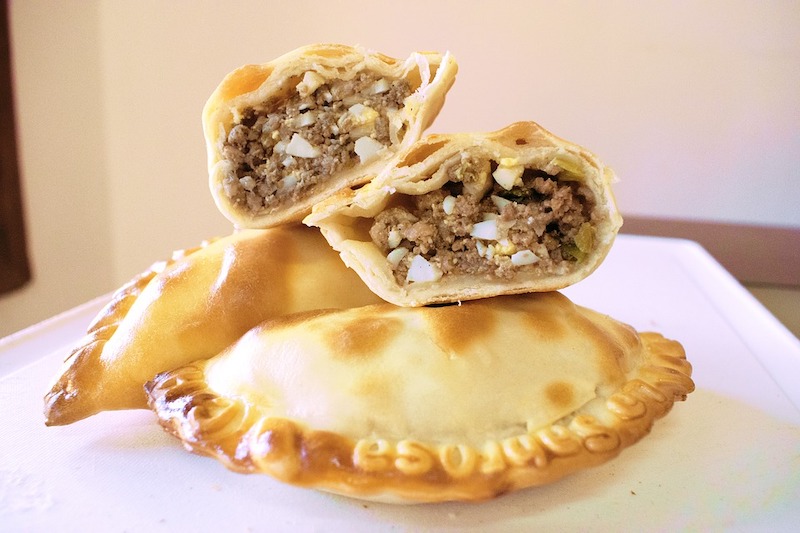
Empanadas are a popular and versatile Spanish dish enjoyed across Spain, known for their convenient, handheld form and wide variety of fillings. They are especially common in Galicia and other coastal regions, where they are a staple of traditional cuisine.
This dish consists of a pastry dough filled with ingredients such as tuna, meat, chicken, vegetables, or seafood, often combined with onions, peppers, tomatoes, and spices. The filled dough is then baked (or sometimes fried, depending on the variation) until golden and crisp on the outside, with a flavorful and moist filling inside. One of the most traditional versions is the Galician empanada, which is typically baked in a large format and then sliced into portions.
Empanadas have deep roots in Spanish culinary history and are commonly prepared for family gatherings, celebrations, and picnics. In Galicia, they are particularly popular and can be found in bakeries, markets, and homes, often made using local ingredients and regional recipes passed down through generations.
For the best experience, enjoy empanadas warm or at room temperature, either as a main meal or a snack. They pair well with a simple salad or a glass of wine, making them a satisfying and practical dish that showcases the diversity of Spanish regional cooking.
29. Picos – Crunchy Breadsticks Served with Tapas
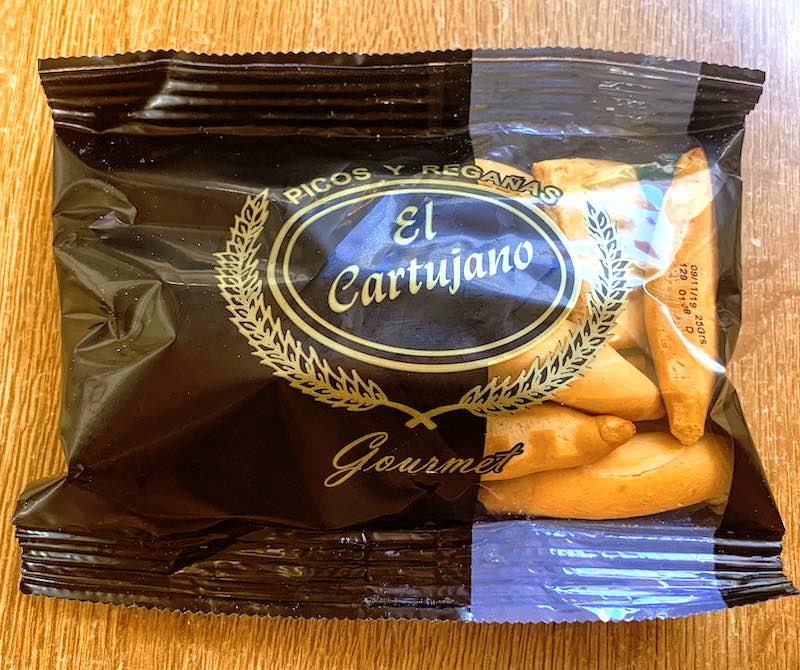
Picos are small, crunchy breadsticks and a simple yet essential popular Spanish food often served alongside meals and tapas throughout Spain. Known for their crisp texture and mild flavor, they are a common accompaniment rather than a main dish.
This traditional snack is made from wheat flour, water, yeast, olive oil, and salt. The dough is shaped into small sticks or miniature bread pieces and baked until dry and crispy. Their firm texture makes them perfect for dipping or pairing with spreads, cheeses, cured meats, and sauces.
Picos have a strong presence in Spanish dining culture and are frequently served in bars and restaurants as a complementary side with drinks or tapas. They are especially popular in southern regions like Andalusia, where they are commonly enjoyed with dishes such as cheese, jamón, or soups.
For the best experience, pair picos with soft cheeses, membrillo, or olive-based dips. Their crunchy texture adds contrast to creamy or moist dishes, making them a versatile and practical addition to a wide range of Spanish meals.
30. Caracoles – Snails Cooked in a Spiced Broth
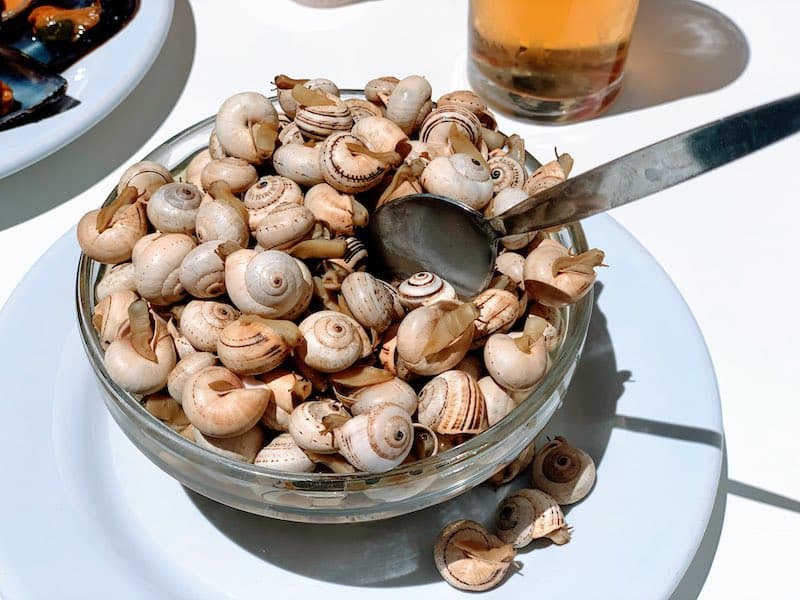
Caracoles are a traditional snail dish and a distinctive popular Spanish food especially enjoyed in southern Spain, particularly in Andalusia. Known for their unique texture and richly seasoned broth, they are a seasonal specialty often associated with spring and early summer.
This dish is typically prepared by simmering snails in a flavorful broth made with ingredients such as garlic, onions, tomatoes, chili peppers, paprika, and a blend of aromatic herbs and spices. The snails absorb the savory, slightly spicy sauce during the slow cooking process, resulting in a dish that is both hearty and full of depth.
Caracoles hold a strong place in Andalusian food culture and are commonly served in bars, street stalls, and traditional eateries during the snails’ peak season. They are especially popular in cities like Seville and Córdoba, where they are enjoyed as a tapa and often accompanied by social gatherings.
For the best experience, enjoy caracoles hot, typically served in a small bowl with plenty of broth and a side of bread to soak it up. Pairing them with a cold beer is common, making them a flavorful and authentic part of Spain’s regional culinary traditions.
I ate Spanish snails in Cadiz, Andalusia. Read more about my experience of eating snails in Spain: Eating Snail Tapas in Spain.
31. Calcots – Grilled Spring Onions with Romesco Sauce
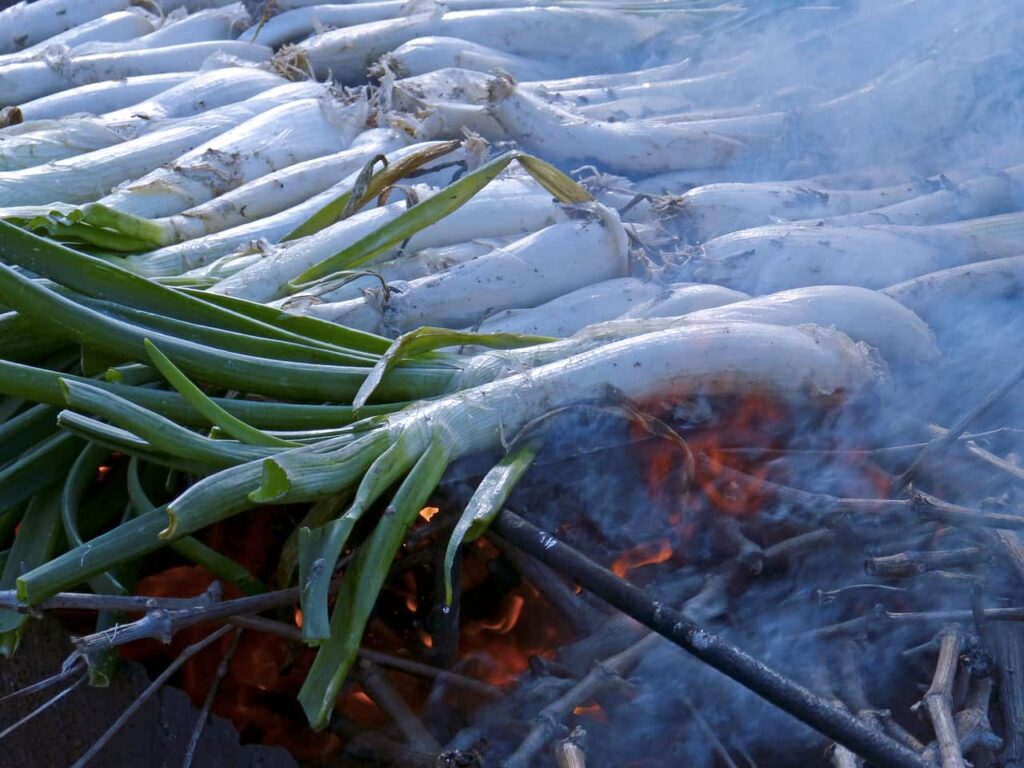
Calcots are unique calcot onions from Catalonia. Calcots have a Protected Geographical Indication.
Grilled calcots are a popular Spanish dish from Catalonia. Grilled calcots over an open fire are tender and soft on the inside. They are typically eaten with romesco sauce (made with olive oil, vinegar, garlic, tomatoes, dried peppers, nuts, and bread) orcalçots sauce (made with oil, garlic, tomato, almonds, ñora, and escalibada).
Sweet, thick, and long calcots are a typical winter-early spring food in Catalonia.
Calçotada is a traditional feast of eating calcots in Catalonia, when Catalan families and friends gather outdoors to barbecue calcot onions. The feast happens between January and April when calcots are in season.
So, if you travel to Barcelona during this period, don't forget to try calcots! Calcots are some of the best traditional foods in Barcelona!
Famous and Luxury Spanish Foods and Delicacies
Spain is known for its premium delicacies, many of which are prized for their rarity and quality. These foods often come from specific regions and are considered gourmet items in Spanish cuisine.
32. Percebes – Prized Goose Barnacles from the Coast
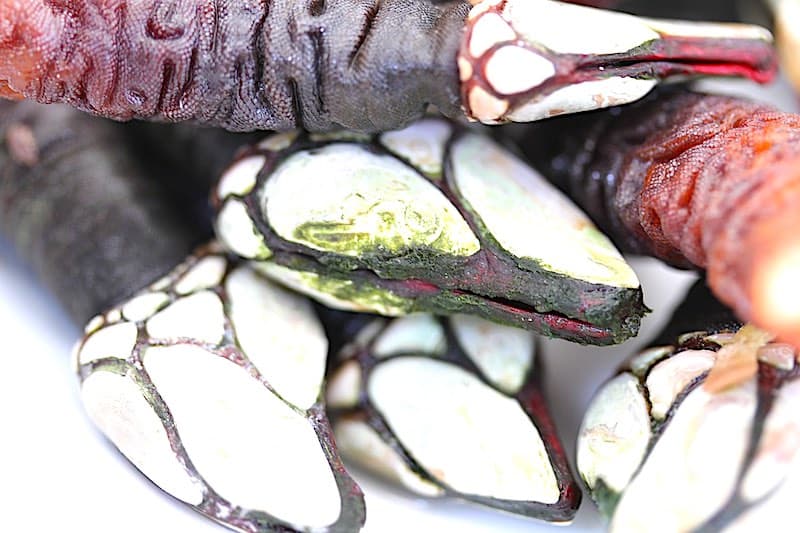
Are you interested in some more weird food from Spain?
Try Spanish percebes!
Percebes, or goose barnacles, are some of the most expensive food in Spain. The price of goose barnacles in Spain goes up to 200 EURO per kilo. And during the holidays even more!
Twist the tube of boiled percebes off, slip the flesh down, and eat them. This weird and luxurious Spanish tapa tastes like something between clams and lobster.
Goose barnacles are a delicacy from Galicia, Asturias, and the Basque Country. Goose barnacles are called lamperna in the Basque country.
The harvesting season of percebes is from October to March. Percebes are available outside the harvesting season in high-end restaurants but expect to pay for them even more.
Percebes are served in seaside taverns and high-end restaurants in Galicia (especially in cities like Santiago de Compostela, and A Coruña), the Basque Country (especially in Bilbao, and San Sebastian), Cantabria (Santander, Comillas), Asturias (Gijón, Aviles) and gourmet restaurants in Madrid (like Casa Lucio, La Vaca y La Huerta, and Restaurante El Club Allard).
33. Jamón Ibérico – Premium Cured Ham from Iberian Pigs
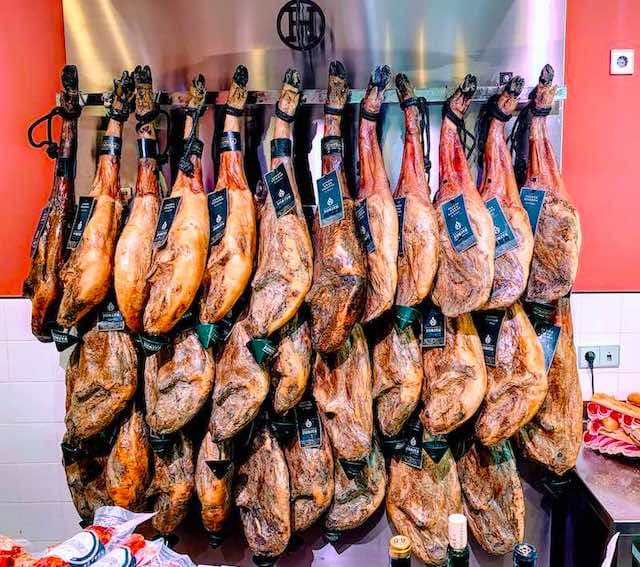
Iberian ham, jamon iberico in Spanish, is a traditional Spanish food and a delicacy in Spain.
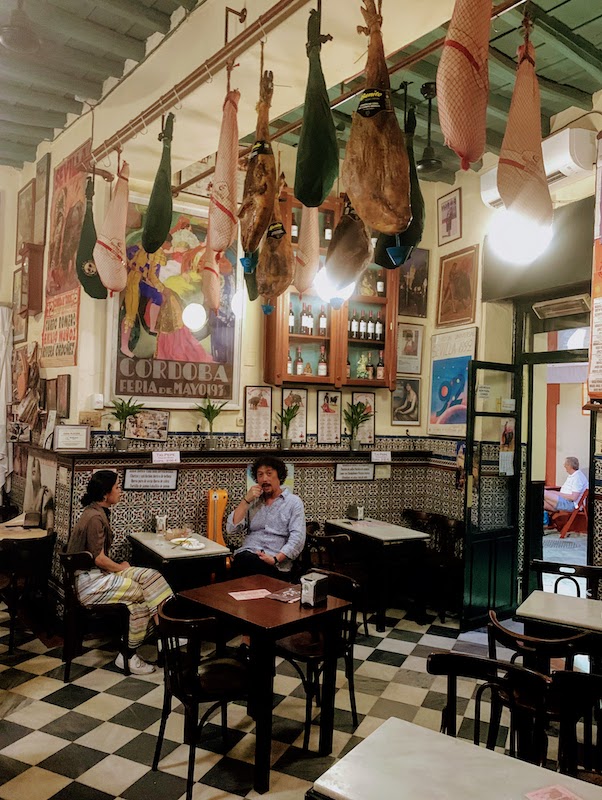
Jamon Iberico is ham made from Iberian pigs, a rare breed native to the Iberian Peninsula. Iberian ham is a symbol of Spanish cuisine. It is one of the most typical foods in Spain and one of the most expensive tapas in Spain. Ruby red salted and air-dried Spanish cured ham hangs in almost every bar and restaurant in Spain.
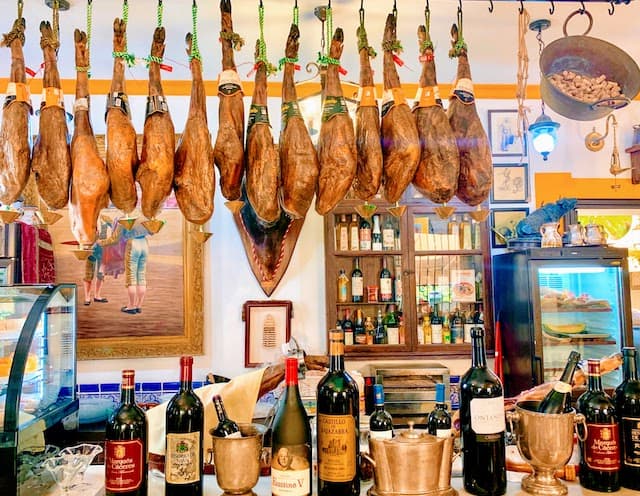
Unnecessary to say that Iberian ham is one of the most famous Spanish foods! There are two types of cured Spanish ham: jamon serrano and jamon iberico.
Jamon iberico de bellota is top-quality ham (the finest ham in Spain), whilejamon serrano is of less quality and cheaper Spanish ham
Jamon Iberico is also known as pata negra in Spain. If you are looking for 'food made in Spain' or native Spanish food, Spanish jamon ibericomust be on your bucket list of authentic Spanish food.
34. Erizo de Mar – Fresh Sea Urchin with Delicate Flavor
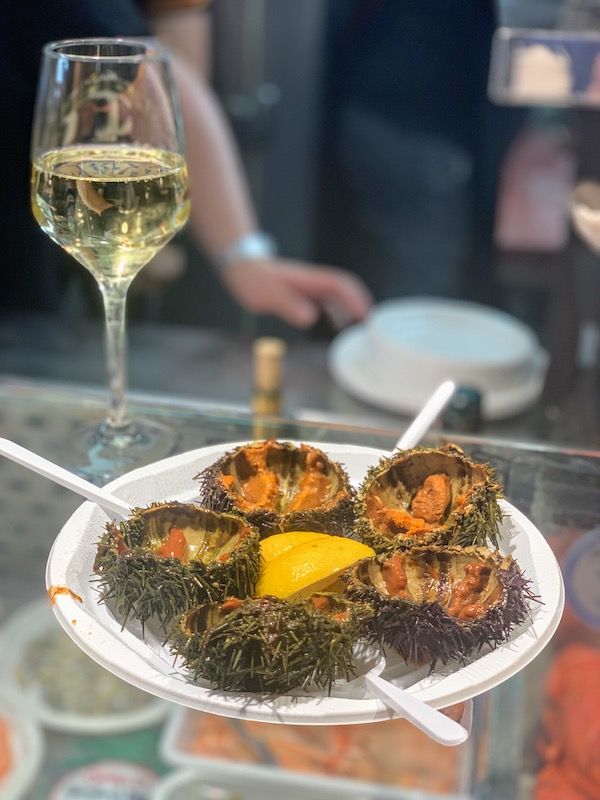
Sea urchins are often called 'truffles of the sea'. Seafood lovers claim sea urchins to be the ultimate delicacy. I joined the club after eating them at the famous Mercado de San Miguel in Madrid.
Sea urchins are salty but foamy in texture and go well with sparkling white wine.
They are a popular tapa dish in Spain. They can be consumed alone (Erizo de Mar en Su Concha - sea urchin in its shell) or in dishes, like Arroz con Erizo de Mar (Rice with Sea Urchin), and Fideuà de Erizo de Mar.
Sea urchins are found on the coasts of Galicia, Asturias, the Basque Country, and Catalonia in Spain. You can find them in seafood restaurants in Spain.
35. Txipirones en su tinta – Squid Cooked in Its Own Ink
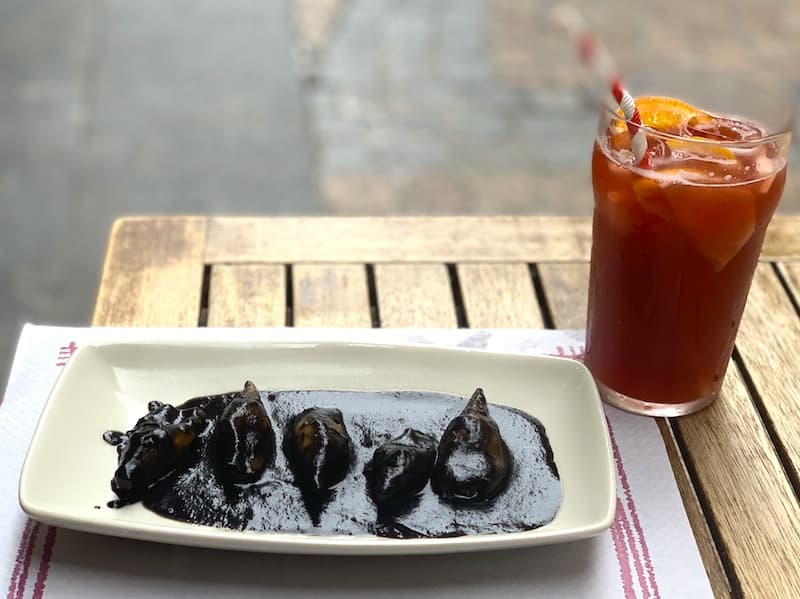
The Basque Country in northern Spain is known for fabulous pintxos and delicious seafood dishes.
Squid in ink, or txipirones en su tinta in the Basque language, is one of the most famous Basque dishes. The black sauce is made with squid ink and sweet onions.
This popular Basque dish is one of the all-time best Spanish dishes. I also tried txipirones en su tinta in Bilbao, and although the black sauce might look unusual at first, the flavor is incredibly rich and slightly sweet. It’s one of those dishes that looks intimidating but is absolutely worth trying.
36. Angulas – Delicacy of Young Eels in Garlic Oil
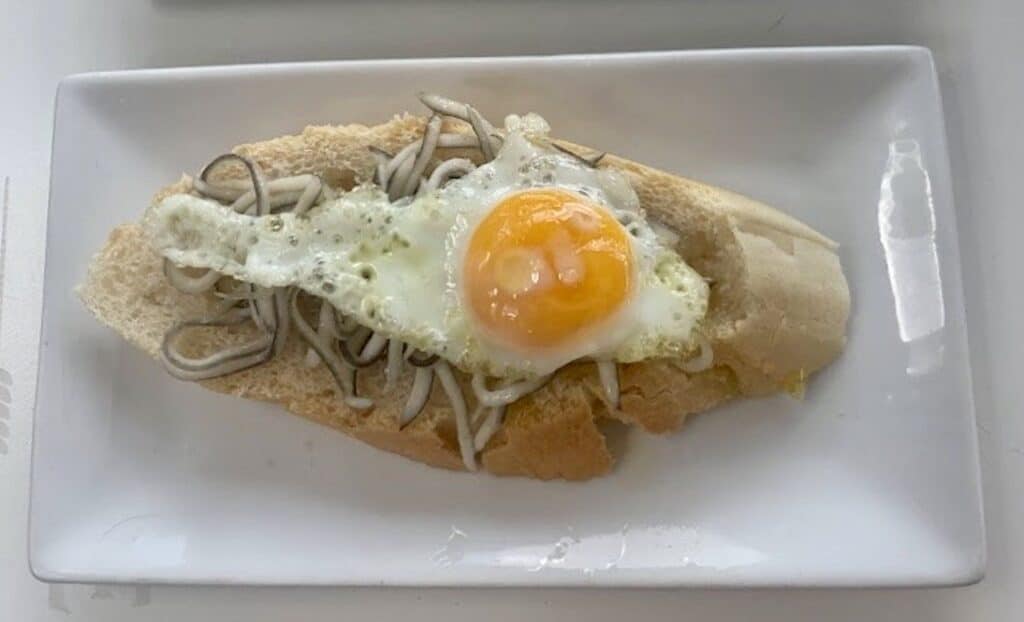
Angulas are baby eels and a famous Spanish delicacy.
Angulas are most associated with Basque gastronomy since they are traditionally eaten in the Basque Country. They are called the caviar of Northern Spain.
These pale and tiny eels' offspring are among the most expensive food in Spain. A kilo of baby eels often reaches the price of 1,000 euros.
You can savor baby eels in Spain in different dishes, from Angulas a la bilbaína (Angulas a la Bilbao) to simple pinchos with angulas (like in the photo below).
37. Alcachofas al Ajillo – Artichokes Sautéed with Garlic

Artichokes are a delicacy in many Mediterranean countries, like Italy, France, and Croatia. Articles are a springtime delicacy in Spain, too.
Garlic Artichokes, or Alcachofas al Ajillo in Spanish, is a favorite spring tapa dish in Spain. It is a simple Spanish tapa dish. Boiled artichokes are drained and sauteed in olive oil with garlic. Spanish garlic artichoke dish pooves that perfection lies in simplicity.
I tasted alcachofas al ajillo in Cordoba during spring, when artichokes are in season. The garlic and olive oil brought out their natural flavor beautifully — simple, fresh, and delicious.
Common Spanish food
These are everyday staples commonly found in Spanish households and local markets. They are simple, flavorful, and form the foundation of many traditional meals across the country.
38. Chorizo – Spiced Cured Sausage with Paprika
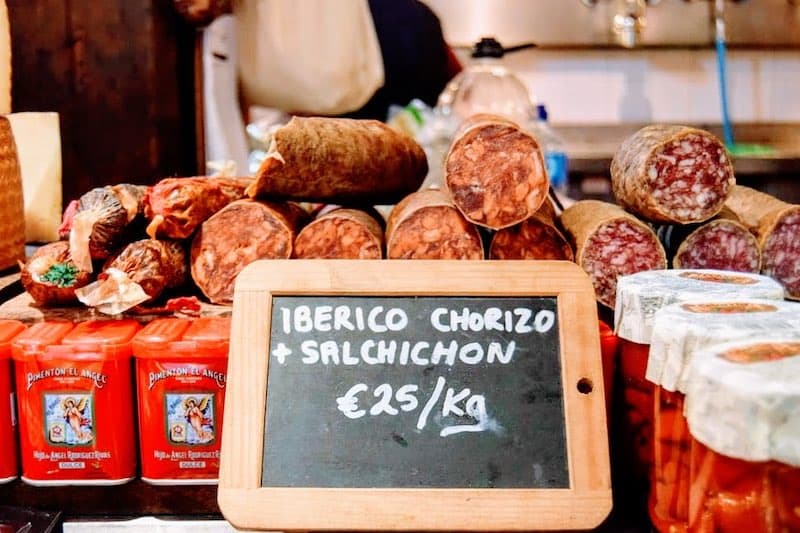
The list of Spanish food from Spain wouldn't be complete without Iberico chorizo.
Chorizo, aka sausage, is a typical Spanish food.
Spanish pork sausage with sweet and spicy paprika flavor is called chorizo. To be more precise, this fresh or cured Spanish sausage is made of chopped pork marinated in pimentón (Spanish smoked paprika), herbs, spices, and white wine.
Spanish chorizo is one of the common foods in Spain. It is eaten solely along with bread or as an ingredient in many popular Spanish dishes.
Yes, chorizo comes in many common Spanish dishes. Spanish pork sausage is a kind of food that blends well with almost everything.
Spanish chorizo is one of those Spanish cultural foods that come in different variations: sweet, spicy, smoked, unsmoked, fresh, and dry-cured. After all, chorizo is one of the traditional foods from Spain you need to try while in Spain.
Popular Spanish cheese
Spanish cheeses vary widely by region, milk type, and aging process. From soft and mild to firm and aged varieties, they are an important part of Spain’s culinary tradition.
39. Queso Manchego – Aged Sheep’s Milk Cheese from La Mancha
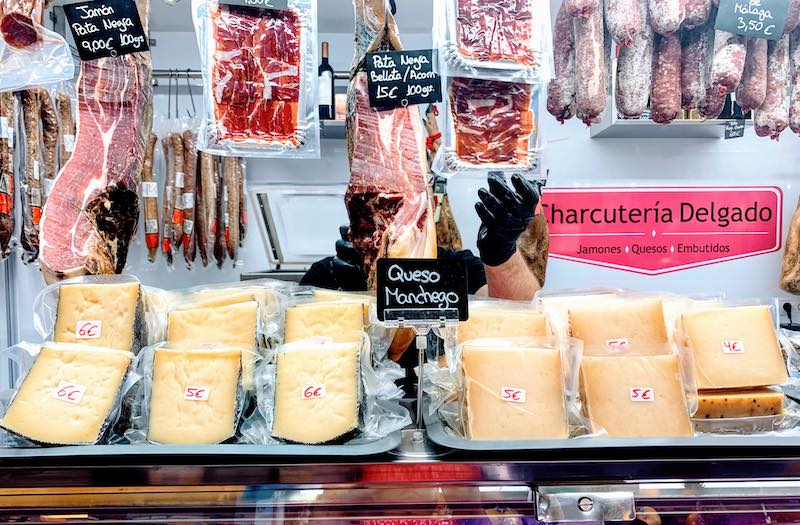
Cheese is also one of the most famous foods from Spain.
Authentic Spanish cheese is some of the yummiest traditional Spanish food. Manchego cheese is the most popular Spanish cheese and should be on any Spanish food list. Queso Manchego is an authentic Spanish cheese made of milk from the Manchega sheep from the La Mancha region in central Spain. It is a semi-hard cheese , characterized by sweet caramel and a nutty flavor. It goes well with toasted almonds, honey, fruits, and especially with membrillo (quince jam).
If you are after amazing food products from Spain and some of the best and most famous food in Spain, you need to try queso Manchego!
40. Pascualino Queso – Traditional Spanish Cheese with Mild Flavor
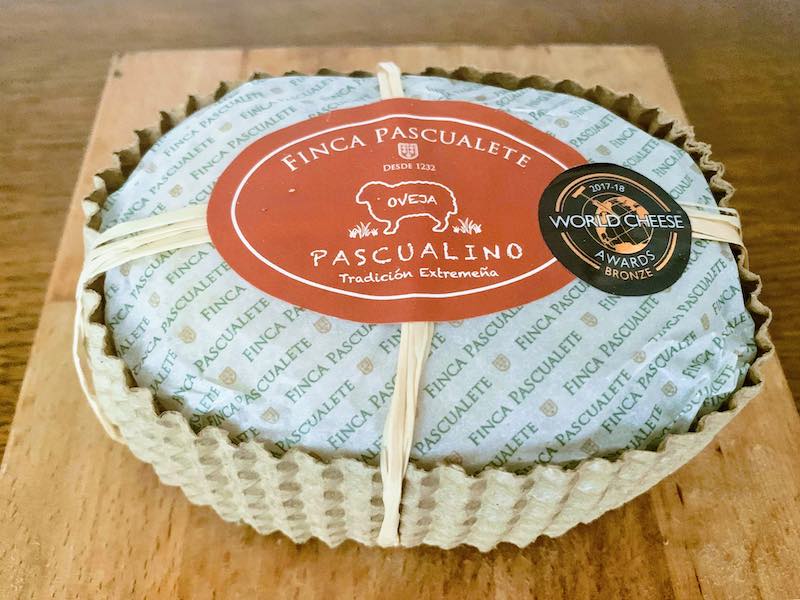
Manchego cheese is the most famous Spanish cheese.
But Spain produces many types of first-class cheese. Here I am listing one of them - Pascualino cheese, as I would love you to try it in Spain. As you can see in the photo, it won some world awards.
Pascualino queso is a raw sheep cheese, oval in form, and smooth in taste with vanilla, caramel, toffee, and violet flavors. I bought Pasqualino cheese as a souvenir from Spain and a gift for my family. They loved it!
Popular Spanish desserts
Spanish desserts combine simple ingredients with rich flavors, often featuring milk, almonds, sugar, and citrus. Many of these sweets are tied to holidays, celebrations, and regional traditions.
41. Churros con Chocolate – Fried Pastry with Thick Chocolate Dip
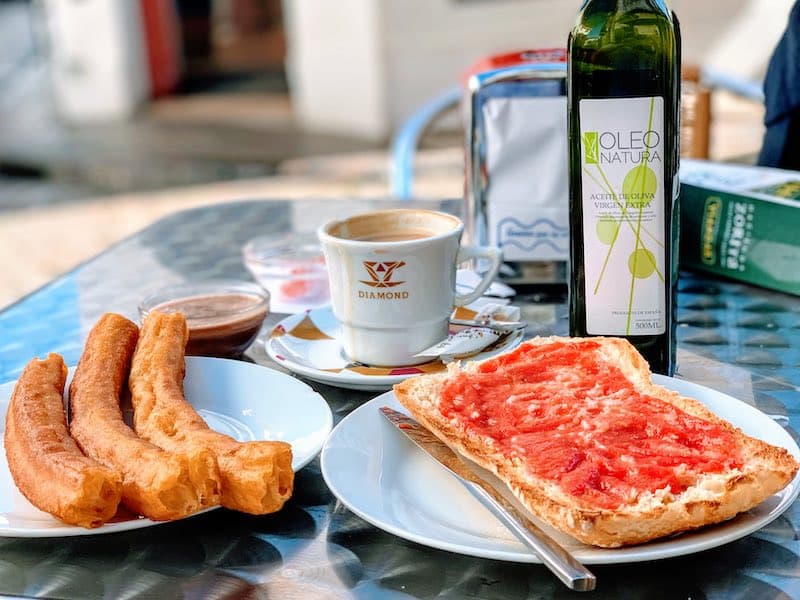
When talking about traditional food from Spain, popular desserts in Spain need to be on the list, too.
So, let's talk about authentic Spanish desserts.
Churros with chocolate are undeniably a Spanish favorite dessert. Spaniards eat their beloved churros daily while sipping coffee for breakfast. A typical Spanish breakfast includes dipping churros in dark chocolate. Churros con chocolate are some of the best Spanish foods you need to try in Spain! I had churros for breakfast in the famous Chocolatería San Ginés in Madrid. Dipping them into thick hot chocolate was one of the best food experiences of my trip.
Coffee and some sweets for breakfast? I am in. And what about you?
RELATED READ: Traditional Spanish breakfasts

42. Crema Catalana – Spanish Custard with Caramelized Sugar Top
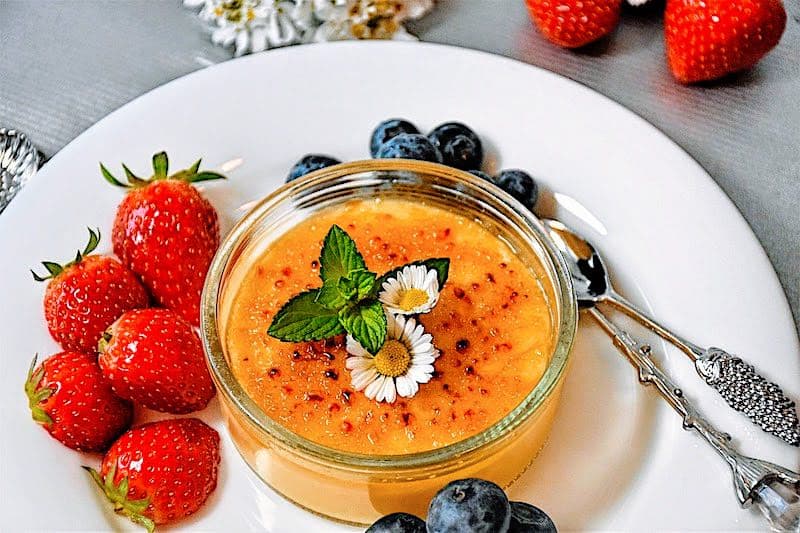
France has creme brulee, and Spain has crema catalana.
Spanish custard with a caramel topping is one of the most popular Spanish desserts. This creamy Spanish dessert is made only of milk and eggs, and with just a little bit of cornstarch to thicken the texture.
Authentic Crema Catalana is flavored with lemon peels and cinnamon sticks. A perfect fit for a king!
Read my Guide to the Traditional Spanish Desserts.
43. Arroz con Leche – Creamy Rice Pudding with Cinnamon
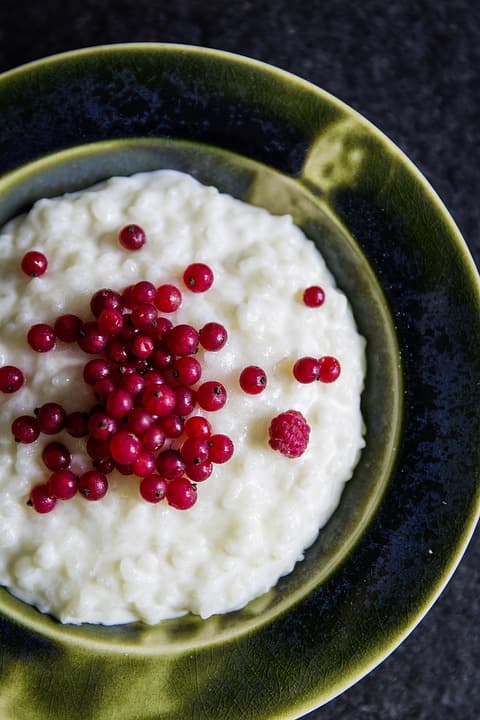
Rice pudding is a popular dessert in many countries, including Spain.
Rice pudding in Spain is called Arroz con Leche. There's no need to explain why rice pudding is so popular. Let me just say that creamy rice blends perfectly with sweet and warm cinnamon and refreshing lemon.
So, if you like rice, cinnamon, and lemon, Arroz con Leche is the go-to Spanish dessert!
44. Tortas de Aceite – Thin Olive Oil Cookies with Anise Flavor
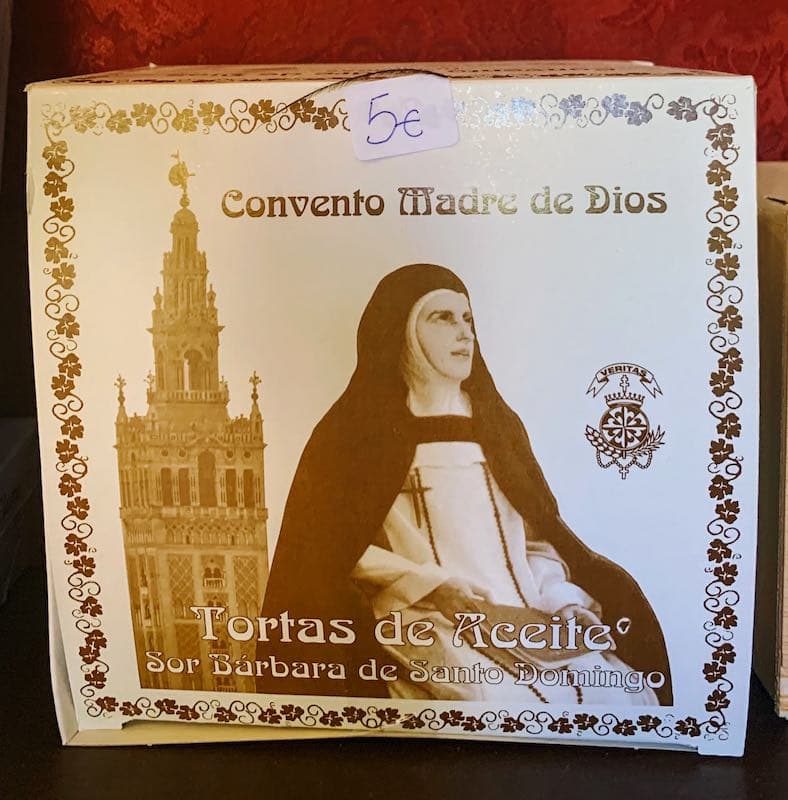
Spanish olive oil tortas are famous Spanish biscuits.
Tortas de aceite of wheat flour, white egg, sugar, and olive oil with anis, sesame seeds, and almonds.
Although these crispy, sweet wafers originate from southern Spain, today tortas de aceite are enjoyed all over Spain.
45. Turrón – Almond-Based Nougat Traditionally Eaten at Christmas

Turron is the most famous Spanish sweet.
Spanish turron is a nougat candy made of sugar, eggs, honey, and roasted nuts, most commonly almonds but sometimes pistachios too. There are two main types of turron: turron de Alicante (or turron duro) and turron de Jijona (or turron blando).
Turron de Alicante is hard and brittle, while turron de Jijona is soft and chewy.
Just to mention, Spain is the biggest exporter of turron in the World, although 'torrone' (as it is called in Italy) is among the most popular foods in Italy too. Don't forget to try turron while in Spain!
46. Magdalenas – Light Spanish Sponge Cupcakes

Magdalenas are traditional Spanish muffins.
Spanish magdalenas are simple muffins, but more fluffy and more lemony than muffins you can find in other countries.
Spaniards traditionally use a lot of lemon for flavoring cakes and biscuits. So, Spanish muffins come with a generous amount of lemon flavoring.
Magdalenas are some of the most popular Spanish cakes. Lemony magdalenas are sold in bars across Spain and are typically enjoyed with coffee for breakfast in Spain.
47. Tarta de Santiago – Almond Cake from Galicia with Cross Design
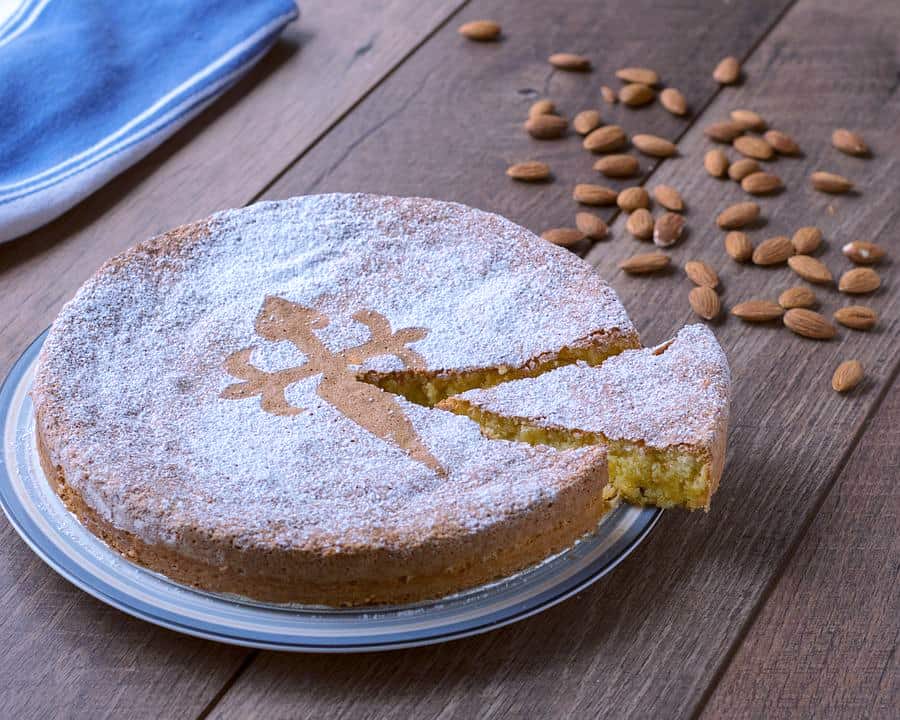
Tarta de almendras, or Tarta de Santiago, is the most popular Spanish almond cake.
Tarta de Santiago means Cake of St. James. It's made of almonds and decorated with the St. James cross.
The cake is a signature dessert of Santiago de Compostela. The cake was created in medieval times, and it's related to the famous pilgrimage route of Camino de Santiago (St James Way).
Today, this fantastic almond cake can be found not only in Santiago de Compostela and Galicia but throughout Spain.
48. Basque Cheesecake – Burnt-Top Creamy Cheesecake from San Sebastián
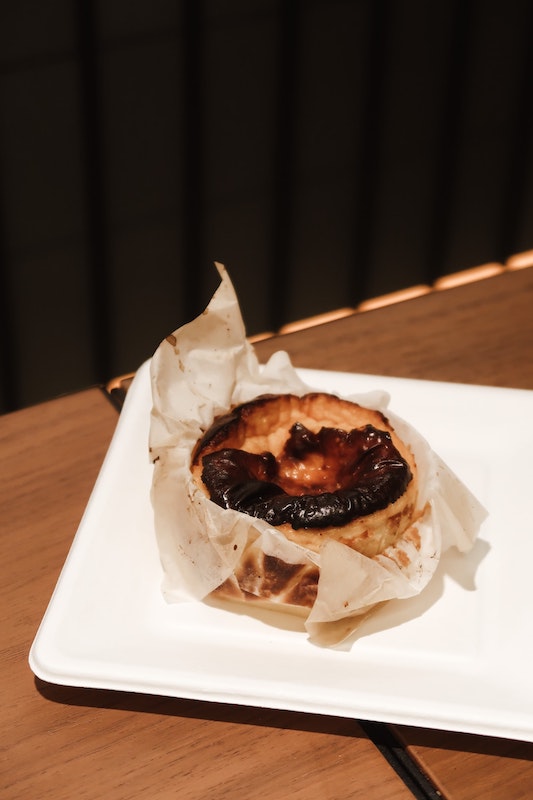
Burnt Basque cheesecake is one of the most famous cakes from the Basque Country.
The Basque burnt cheesecake comes with a sweet and creamy interior and caramelized and somewhat bitter exterior.
The Basque cheesecake was invented in the famous La Viña restaurant in San Sebastian in 1990. The cake is typically prepared 3 days before serving and is always served at room temperature.
Basque burnt cheesecake is one of the most delicious cakes from Spain and a must-try on the trip to San Sebastian.
49. Rosquillas – Traditional Ring-Shaped Pastries Often Eaten at Easter

Easter in Spain is one of the most important historical, cultural, social, and religious events.
Holy Week is uniquely celebrated in Spain. Semana Santa in Spain is one of the most spectacular fiestas in Spain. Marvelous religious processions go through the main streets of Spanish cities, towns, and villages.
Fluffy Spanish rosquillas are traditional Spanish Easter donuts. They are made with fresh Spanish orange juice and aromatic Spanish lemon peel.
If you are visiting Spain during Semana Santa, rosquillas are a must-try!
50. Rosquillas – Traditional Ring-Shaped Pastries Often Eaten at Easter
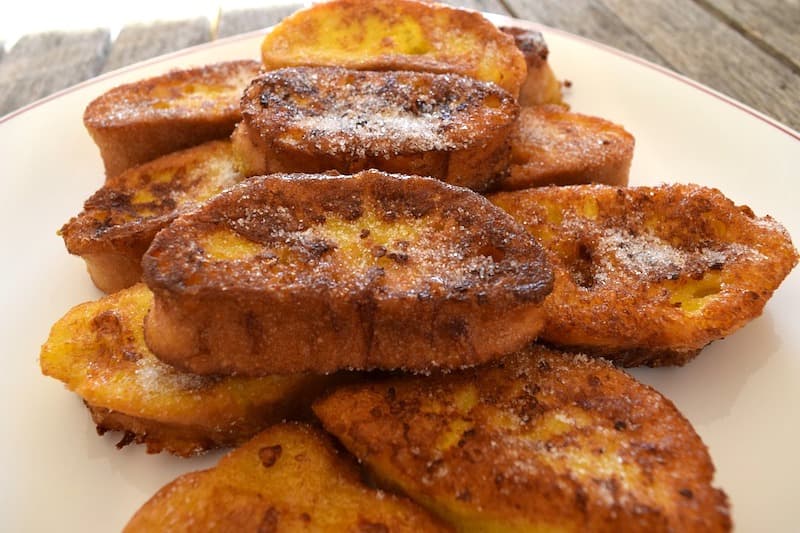
The list of traditional Spanish dishes would not be complete without mentioning traditional Spanish bread pudding.
Sweet torrijas are Spanish-style French toast.
This sweet Spanish dish is prepared by frying previously soaked bread slices in milk and wine with spices (cinnamon, lemon rind, or cloves). The most typical spice used for torrijas is cinnamon, though.
Torrijas are traditionally eaten in Spain during Lent (40 days before Easter) and especially during Holy Week (called Semana Santa in Spanish).
But nowadays aromatic torrijas are some of the most popular breakfast foods in Spain.
51. Cuajada – Fresh Set Milk Dessert with Mild Flavor
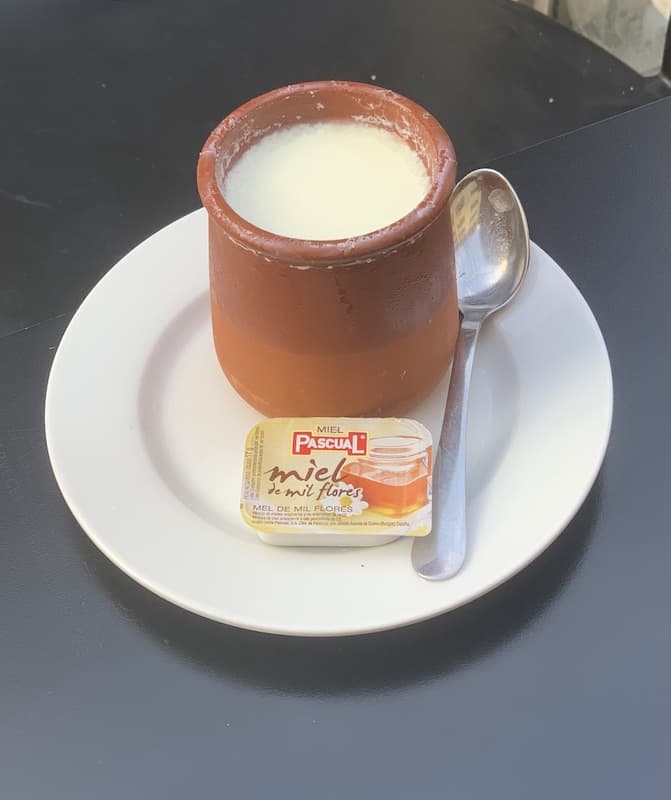
Milk curd is called cuajada in Spain.
Spanish cuajada is one of the must-try traditional Spanish desserts. It is one of my favorite authentic foods from Spain. This cheese product is traditionally made from sheep's milk. But modern cuajada sold in Spanish shops is made from cow's milk.
Light and mild-tasting cujada is usually eaten with honey and walnuts in Spain. Cuajada is especially appreciated in northern Spain. Cuajada is also called mamia in the Basque Country. The first time I tried mamia, aka cujada, was in the Basque Country during my Camino del Norte hike.
Popular Spanish Drinks and Beverages
Spain offers a wide range of traditional drinks, from refreshing non-alcoholic options to world-renowned wines and ciders. These beverages often accompany meals or social gatherings.
52. Sangria – Fruit-Infused Wine Punch Served Cold
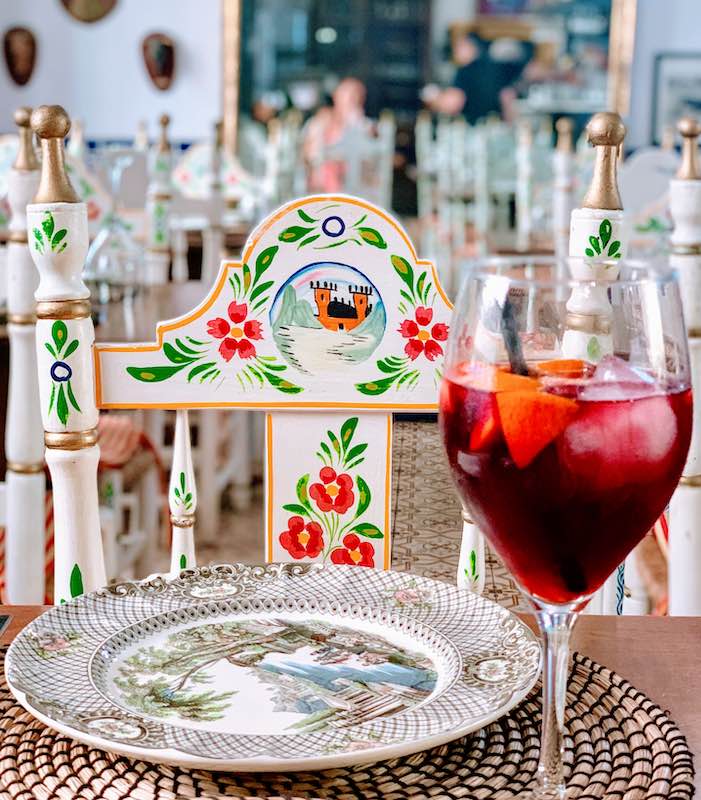
Popular Spanish cuisine consists of popular Spain food and popular Spain drinks.
Thus, it's time to talk about authentic Spanish drinks. I believe Spanish Sangria doesn't need any special introduction.
Sangria is probably the all-time most famous Spanish drink. Red wine with sweet chopped fruit, with orange juice or brandy, makes a divine mix.
Sweet Sangria is the finest example of authentic cultural foods in Spain that you need to try. A vacation in Spain without Sangria is not a vacation in Spain at all. Amen!
53. Tinto de Verano – Red Wine Mixed with Lemon Soda
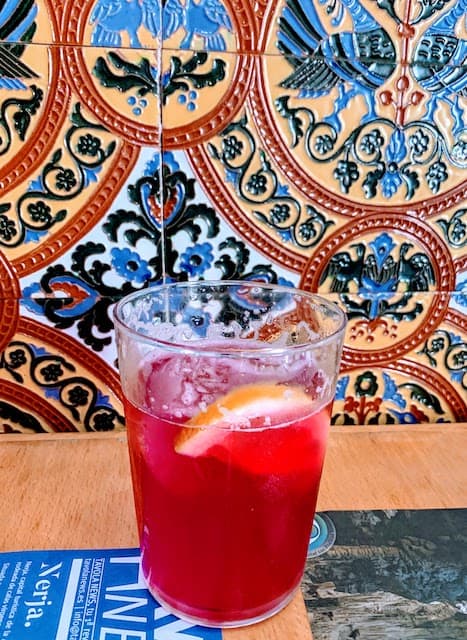
Tinto de Verano is another classic Spanish drink from my collection of the most famous Spanish foods and drinks.
When you mix red wine with lemon soda, you get one of the most refreshing drinks you will ever taste. Tinto de Verano is popularly known as 'Spanish summer wine'. The name says it all.
Spain + summer + wine = ♥
54. Rioja Wine – Renowned Red Wine from Spain’s Rioja Region
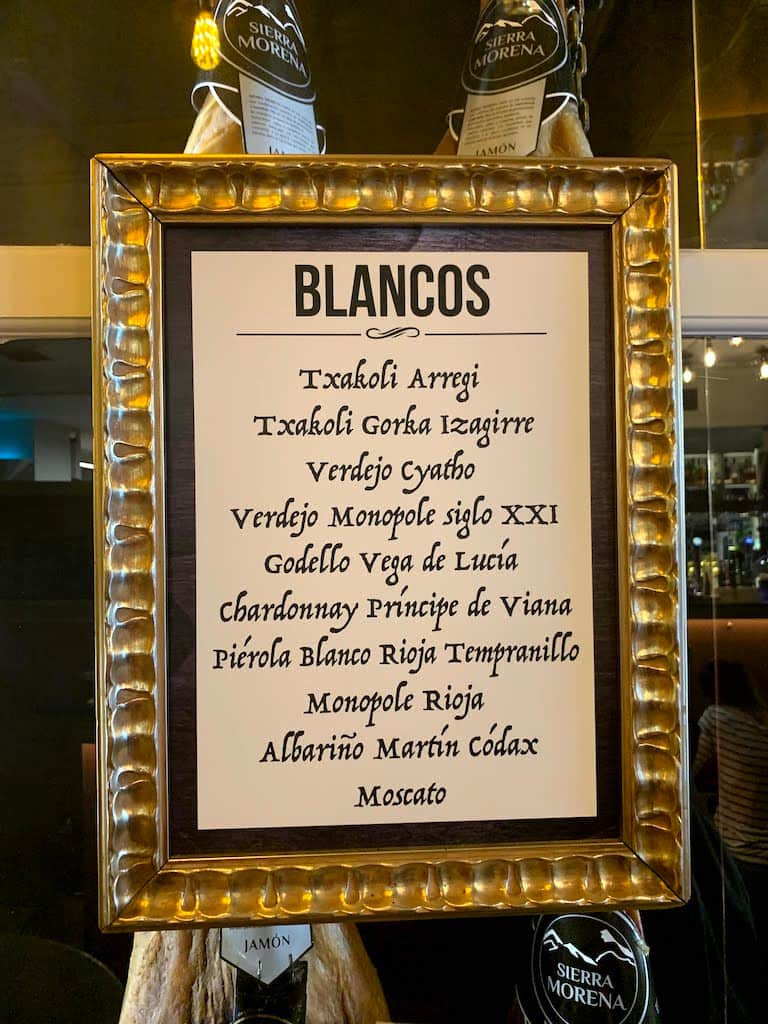
Many Europeans considered wine to be food. Wine is a common part of a typical meal in many countries in Europe. One of those countries is Spain.
When talking about traditional Spanish food, I also need to mention Spanish wine.
The best Spanish wine is Rioja wine. La Rioja is a region between the Basque Country, Navarre, and Castile-León in northern Spain. It is the most famous wine-making region in Spain. The region has over 16,000 vineyards and over 600 wineries (out of which about 200 wineries are open for wine tasting).
Rioja wines are red (tinto), white (blanco), and pink (rosado). However, red Rioja wine is rated as the finest Rioja wine and one of the best wines in the world.
So, go to Rioja to taste the best wine in Spain.
55. Cava – Spanish Sparkling Wine from Catalonia

Talking about foods and wines from Spain cava wine can't be missed out on.
This authentic Spanish sparkling wine is similar to French Champagne. Cava wines originate from the Catalonia region in Spain. But, these days, famous 'Spanish champagne' is also produced in Aragon, La Rioja, the Basque Country, Castile and Leon, Extremadura, Valencia, and Navarre.
Cava wines come as blanc or rosé. They'd best go with Manchego cheese, Spanish seafood, egg dishes, and fruit-based desserts.
56. Sherry – Fortified Wine from Jerez with Rich Flavor Profiles
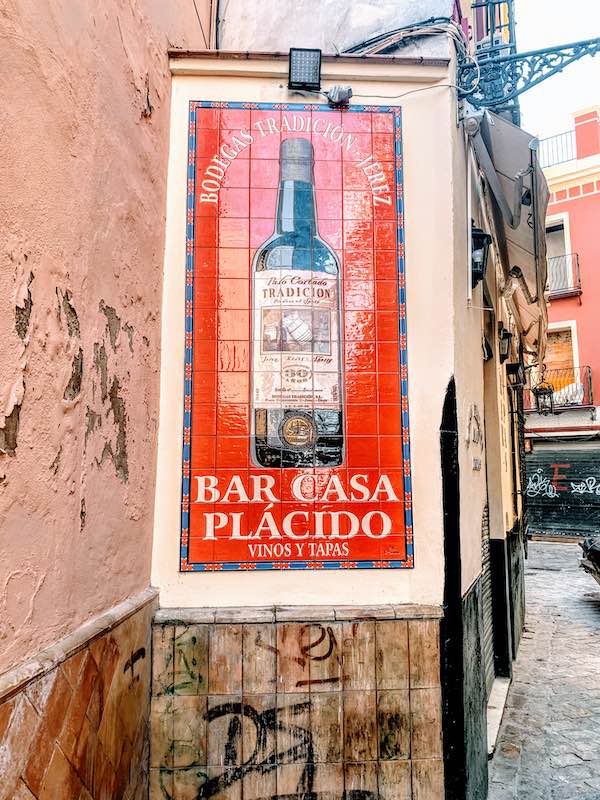
Sherry is an authentic Spanish wine.
Sherry originates from the town of Jerez in Andalucia. The name Sherry is an anglicized version of Jerez.
Authentic sherry wine is a sweet dessert wine made of white grapes. Sherry wine varies from driest Sherry Fino and light Sherry Manzilla, rich in flavor Sherry Manzilla Posada, medium sweetened Sherry Amontillado, darker in color Sherry Oloroso and Palo Cortado, to sweet black Jerez Dulce.
Sweet Sherry makes sweet memories of Spain, for sure!
I tried authentic sherry in Jerez de la Frontera, and it completely changed my perception of this wine. From dry to sweet varieties, the flavors are much more complex than I expected. If you visit during the Feria de Jerez, the experience is even more special.
But, if you are in Seville and have limited time, you can savor the first quality sherry. on this Cadiz and Jerez sherry tasting day trip from Seville
57. Sidra – Traditional Spanish Apple Cider
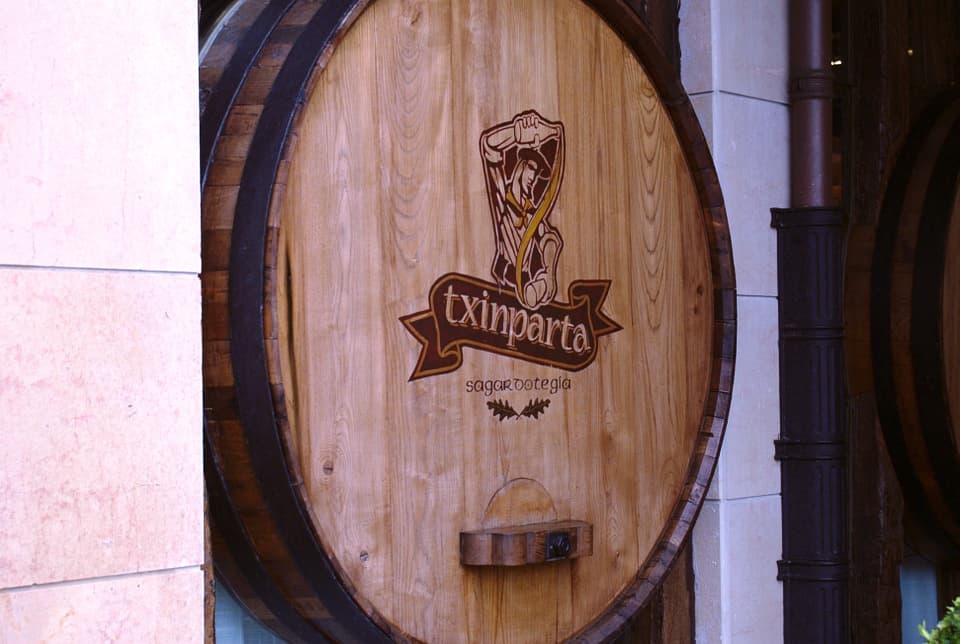
Southern Spain has sweet Sherry wine, but northern Spain has cider.
Natural cider, made from fermented apples, has around 5% of alcohol, and is still.
Cider has been produced in Asturias and the Basque Country in northern Spain for centuries. Asturias produces about 45 million liters of cider a year. The Basque Country produces about 13 million liters of cider a year. Cider is called sidra in Asturias, and sagrado in the Basque Country. Cider is enjoyed in traditional cider houses, called sidrerias in Asturias and sagardotegi in the Basque Country.
Getting cider poured from a barrel straight to your glass in cider houses in Asturias and the Basque Country is one of the best experiences in Spain!
58. Cerveza – Popular Spanish Beer Enjoyed Across the Country
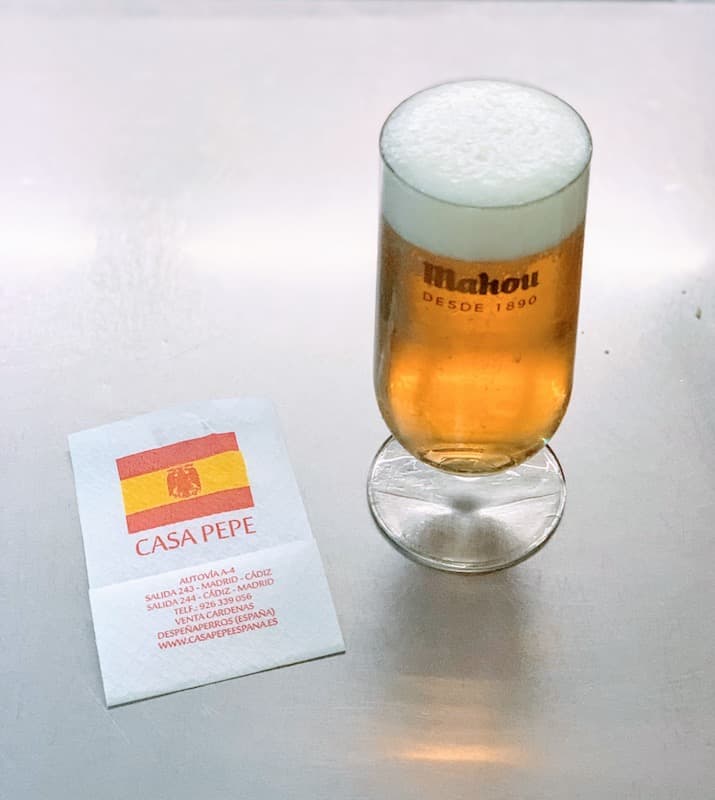
Is it possible to talk about Spain's cuisine and not mention Spain's Cerveza?!
If you prefer beer to wine, cold Spanish beer goes well with Spanish tapas as well. And Spain doesn't lack good beers. That being so, Spaniards are one of the biggest beer-drinking nations in the World.
There are many good-quality Spanish beers to choose from. The most popular Spanish beers are Estrella Galicia (from Coruna), Alhambra (from Granada), Mahou (from Madrid), San Miguel (from Madrid), Cruz Campo (from Madrid), and Ambar (from Zaragoza).
59. Zumo de Naranja – Freshly Squeezed Orange Juice
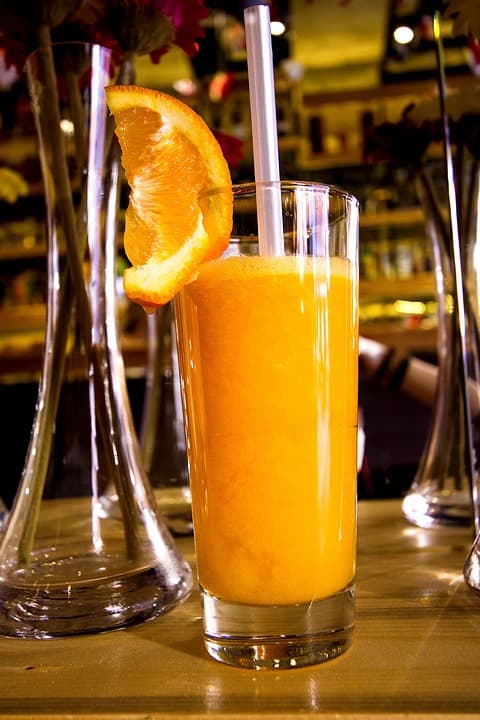
Sunny Valencia in Spain is one of the top-producing regions of the finest oranges in the world.
Sweet Valencian oranges belong to the list of the best Spanish foods. But Spanish zumo de naranja is one of the most popular drinks in Spain.
Fresh-squeezed orange juice is a serious deal in Spain. It's a crucial part of traditional Spanish breakfast. A day in Spain always starts with a glass of vitamin C.
Fresh-squeezed juice from Valencian oranges is made in Spanish homes and Spanish bars and restaurants. Pretty much every café in Spain has a machine that squeezes oranges and makes the sweet juice just in front of you.
Spanish cuisine is probably best known for its world-famous Spanish tapas (cold or hot Spanish appetizers or snacks), including world-famous national foods of Spain like iconicjamon iberico, legendary paella, and glorified gazpacho.
But actually, there's an impressive number of gastronomic delicacies in Spain, and only a comprehensive culinary encyclopedia would do full justice to Spanish cuisine.
However, my Spain food list covered authentic Spanish food, typical food from Spain, traditional food in Spain, famous foods in Spain, famous Spanish tapas dishes, best Spanish dishes, typical dishes of Spain, the most popular dishes of Spain, and popular Spanish drinks.
I hope the above list of Spanish food and authentic Spanish dishes I have compiled on my trips to Spain helps you to taste the authentic flavors of Spain.
My Spanish food list covered popular food in Spain, ethnic Spanish food, authentic Spanish food, typical Spanish food, Spanish famous food, traditional Spanish dishes, and authentic dishes from Spain.
My Spanish food list came with pictures of Spanish food and Spanish food names in Spanish!
¡Feliz viaje! ¡Provecho y salud!
The 10 Most Popular Spanish Foods
Here is a short list of the 10 most famous Spanish foods:
1. Iberian ham - the finest cured Spanish ham and a national food of Spain.
2. Paella - the most famous Spanish rice dish, and a national dish of Spain.
3. Gazpacho - the most famous Spanish tomato soup.
4. Tortilla Espanola - the famous Spanish egg and potato omelet, and a national dish of Spain.
5. Pulpo a la Gallega - the most famous Spanish octopus dish.
6. Tapas - the popular Spanish appetizers and snacks (finger food and small plate dishes).
7. Pinchos - the famous Spanish appetizers from the Basque Country.
8. Manchego - the most famous Spanish cheese.
9. Pan con tomate (Pa amb tomàquet) - the most famous Spanish breakfast food.
10. Crema Catalana - the most famous Spanish custard cake.
Spain’s 2026 Food Festival Calendar: Wine, Tapas, and Seafood Celebrations Across the Country
Spain’s 2026 food festival lineup showcases its rich culinary heritage, from wine harvests and cider fairs to seafood events and traditional tapas competitions. Key highlights include the Montilla-Moriles Wine Tasting, Natural Cider Festival in Nava, Jerez Grape Harvest Festival, and the famous Tomatina tomato fight.
Major Food & Wine Festivals in Spain 2026
Basic Vocabulary for Eating in Spain
Understanding common Spanish food-related vocabulary can enhance your dining experience. These terms help you navigate menus, order food, and communicate more easily in restaurants.
Some basic Spanish vocabulary to help you to navigate easier through Spanish gastronomy and Spain foods:
- Drink in Spanish is la bebida.
- Food in Spanish is la comida.
- Snack in Spanish is el tentempie, or la merineda.
- Breakfast in Spanish is called desayuno. A typical Spanish breakfast consists of coffee and a pastry.
- Lunch in Spanish is called comida. Spanish comida comes between 2 pm and 4 pm. Typical Spanish lunch consists of soup and salad as the first course, meat or fish as the second course, and pastry, cake, or fruit as dessert.
- Dinner in Spanish is called cena. In Spain, dinner is from 9 pm until 11 pm. A Spanish dinner is much lighter than lunch. A typical Spanish dinner consists of a selection of salads, sandwiches, or tapas.
- Appetizers in Spanish are called los aperitivos. The most popular appetizers in Spain are various kinds of tapas snacks.
Final Thoughts On Food in Spain
Spanish cuisine is far more than just a handful of famous dishes — it’s a reflection of the country’s history, geography, and deeply rooted food culture. From simple, rustic meals to world-renowned delicacies, every region in Spain tells its own story through food.
Throughout my travels across Spain — from tasting tapas in Seville to enjoying seafood in San Sebastián and local specialties along the Camino de Santiago — I’ve experienced firsthand how important food is to everyday life here. Meals are not just about eating, but about sharing, slowing down, and enjoying the moment.
If you’re visiting Spain, use this guide as a starting point — but don’t be afraid to explore beyond it. Some of the best food experiences happen in small local bars, family-run restaurants, and unexpected places.
¡Buen provecho!
Popular Spanish Food Restaurants in Spain
Spain is home to many renowned restaurants ranging from casual tapas bars to Michelin-starred establishments. These places showcase authentic flavors and regional specialties.
MOST POPULAR SPANISH FOOD RESTAURANTS IN BARCELONA
- La Gastronómica Platillos - address: Carrer de Calabria, 118, 08015 Barcelona Spain
- Bodega Biarritz 1881 Tapas bar - address: Carrer Nou de Sant Francesc, 7, 08002 Barcelona Spain
- Diegos Bar Restaurant - address: Avinguda Meridiana 127 Local 1 Entre C// Arago Y C// Valencia, 08026 Barcelona, Spain.
MOST POPULAR SPANISH FOOD IN MADRID
- Los Montes de Galicia - address: Calle Azcona 46, 28028 Madrid Spain
- Entre Santos Madrid - address: Calle San Bartolomè 4, 28004 Madrid Spain
MOST POPULAR SPANISH FOOD IN SEVILLE
- Restaurante & tapas El Sella - address: Calle Pureza 4 Triana Comida para llevar, 41010 Seville Spain
- La Comilona - address: Calle de Luis Arenas Ladislao s/n Benito Mas y Prat, 41005 Seville Spain
- Abaceria del Postigo - address: Calle de Tomas de Ibarra 4, 41001 Seville Spain
PS: I hope you liked my introductory guide to Spanish food with Spanish food pictures and Spanish food names!
Frequently Asked Questions About Spanish Food
This section answers common questions about Spanish food, covering popular dishes, eating habits, and cultural insights. It helps clarify key topics for readers learning about Spanish cuisine.
What is the most popular Spanish food?
Paella is widely considered the most popular Spanish food. Originating from Valencia, it is a rice dish typically made with saffron, seafood, chicken, or rabbit.
What food is Spain famous for?
Spain is famous for dishes such as paella, tapas, jamón ibérico, tortilla española, gazpacho, and churros with chocolate. These foods highlight the diversity of Spanish cuisine.
What are traditional Spanish foods?
Traditional Spanish foods include regional dishes like cocido madrileño, fabada asturiana, pulpo a la gallega, and a wide variety of tapas. These dishes reflect local ingredients and culinary heritage.
What do people in Spain eat daily?
Daily meals in Spain often include bread, olive oil, fresh vegetables, legumes, rice, seafood, and cured meats. Meals are typically balanced and follow a Mediterranean diet pattern.
What is Spanish tapas?
Tapas are small dishes or appetizers served in bars and restaurants across Spain. They are meant for sharing and are often enjoyed with drinks in a social dining setting.
What are the five traditional foods in Spain?
The five traditional foods in Spain are paella, tortilla española, jamón ibérico, gazpacho, and churros with chocolate. These dishes are staples of Spanish cuisine and reflect the country's regional diversity.
What are the six Spanish meals?
The six Spanish meals are desayuno (breakfast), almuerzo (mid-morning snack), comida (lunch), merienda (afternoon snack), cena (dinner), and tapas (small plates or appetizers often enjoyed socially).
What are three main dishes in Spain?
Three main dishes in Spain are paella (rice dish from Valencia), tortilla española (Spanish omelette), and pulpo a la gallega (Galician-style octopus). These are widely recognized and enjoyed throughout Spain.
What is a typical Spanish dinner?
A typical Spanish dinner is lighter than lunch and often includes salads, sandwiches, or a selection of tapas. Dinner is usually served late, between 9 pm and 11 pm, and focuses on fresh, seasonal ingredients.
What are the most popular Spanish desserts?
Popular Spanish desserts include churros with chocolate, crema catalana, tarta de Santiago, arroz con leche, and turrón. These sweets are enjoyed across Spain and are often tied to regional traditions and celebrations.
What drinks are commonly served with Spanish food?
Common drinks served with Spanish food are sangria, tinto de verano, Rioja wine, cava, sherry, sidra (cider), cerveza (beer), and freshly squeezed orange juice. Each complements different dishes and occasions.
Key Takeaways
- Spain offers a diverse range of traditional foods, from paella to tapas.
- Regional specialties highlight Spain's culinary heritage.
- Popular Spanish foods include both savory dishes and desserts.
- Tapas culture is central to Spanish dining and social life.
- Classic drinks like sangria and Rioja wine pair perfectly with Spanish cuisine.
RELATED READ:
- Spain Travel
- A Week in Spain
- 10 Best Places to Visit in Southern Spain
- Andalucia Road Trip Itinerary
- Tips for Visiting Alhambra
- Traditional Spanish desserts
- Foodie Spain: Best Destinations in Spain for Foodies
- Breakfasts in Spain
- Seafood in Spain
- Eating snails in Spain




I’m a big fan of Spanish cuisine and the last time I visited Spain was 4-5 years ago. This post got my mouth watering and realized me just how much I miss it. I have to get back to Spain ASAP 🙂
I can enjoy churros all day and get fat – hahahaha! However, when I was in Spain, I actually filled myself with different varieties of food even when I am a vegan. Somehow I managed to get plant-based food. My favorite is Spanish style spinach with chickpeas and you have listed that one too.
Oh my everything looks so delicious – great photos! I’ve loved paella, and gazpacho all my life but I didn’t realize there was so much more to Spanish food. I’m going to have to expand my culinary horizons!
Oh my, you just made me hungry! I love spanish food and even though I havent been in every part of Spain, I am in love in their paella and marisco. Do you think it has many similarities with portugese food?
I too love to try local food/cuisine while traveling as it gives me a feel of the place. Looks like you had an amazing time enjoying all the delicious looking Spanish dishes. I would also love to try some of if I ever make it to Spain.
Truly, it is an amazing list of luscious food in Spain that I want to try them all. I was only blessed to taste the Paella, and I must say, it is one for a book. I’d like how they actually mix it, which looks really tempting. Hopefully, I can taste more of Spanish cuisine in the future. Thank you so much for sharing this with us.
My best friend made me try Jamon Iberico when we were in Spain a couple of years ago. I was super nervous. It wasn’t my favorite, but I’m glad I tried something new. Next time I have to try #2 on your list the Paella!
This post is truly awesome and informative! I once enjoyed Spanish cuisine in my area but I’m sure it wasn’t good enough as described in this post.
Furthermore you gave me a nice food tour info to travel there. Thanks a lot for the info!
I so love Spanish Cuisine. The food in our country has so many similarities. In fact, I cooked some of these dishes at home 🙂
Hoping travel to Alicante,Spain, next year in the spring
Looking forward trying there cuisine.
Awesome! I also loved Spanish cuisine, I have been there in 2019.
Traveling to Spain in 2022 with my 16 year old granddaughter. Thanks for providing this information on our “must experience” food and drink adventure. So excited to share this with her.
hello yes this was very informational. I am doing a school report on spain and this helped very much. Thank you for posting.-6th grader
The food in Spain is very tasty, it’s also cheap. I really like the typical dishes and the people are very friendly. The experience was really good. I’ll come back one day.